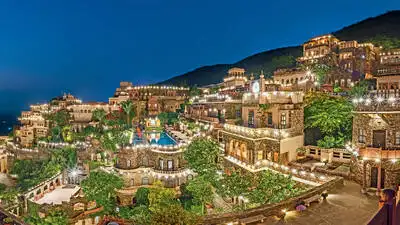
The Neemrana Fort Palace was acquired for restoration in 1986 (Pic: @neemrana_hotels)
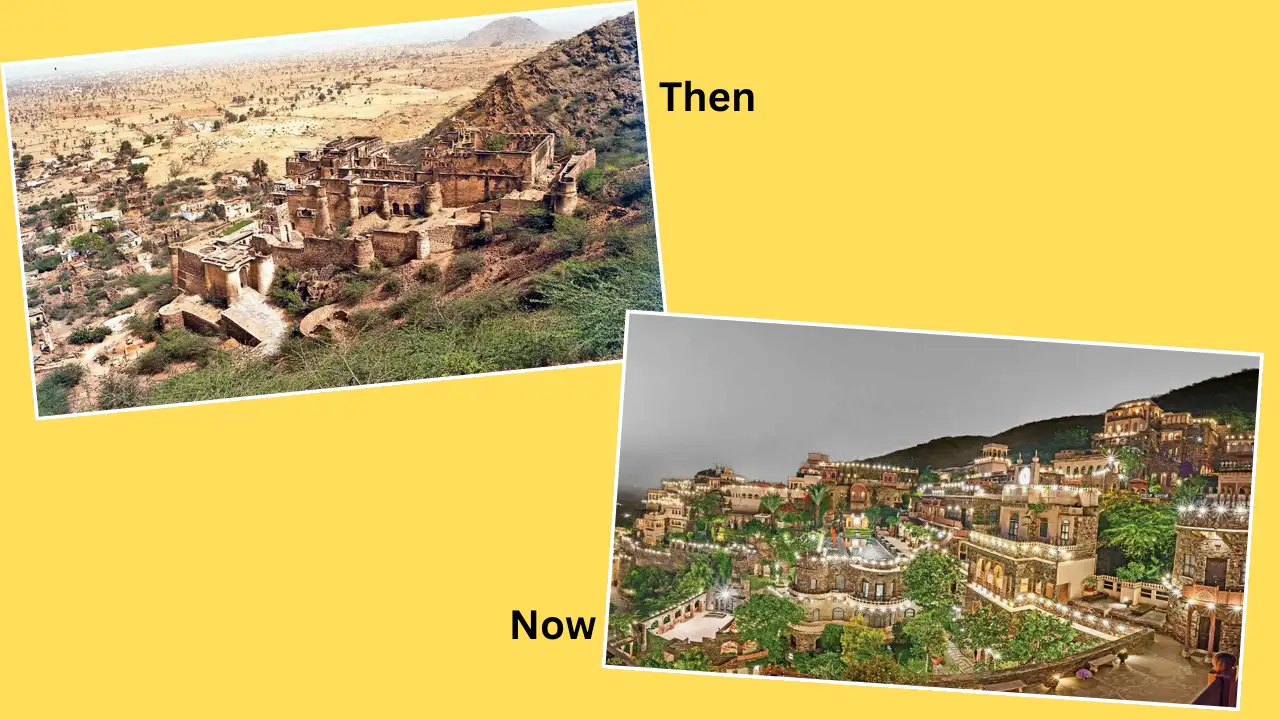
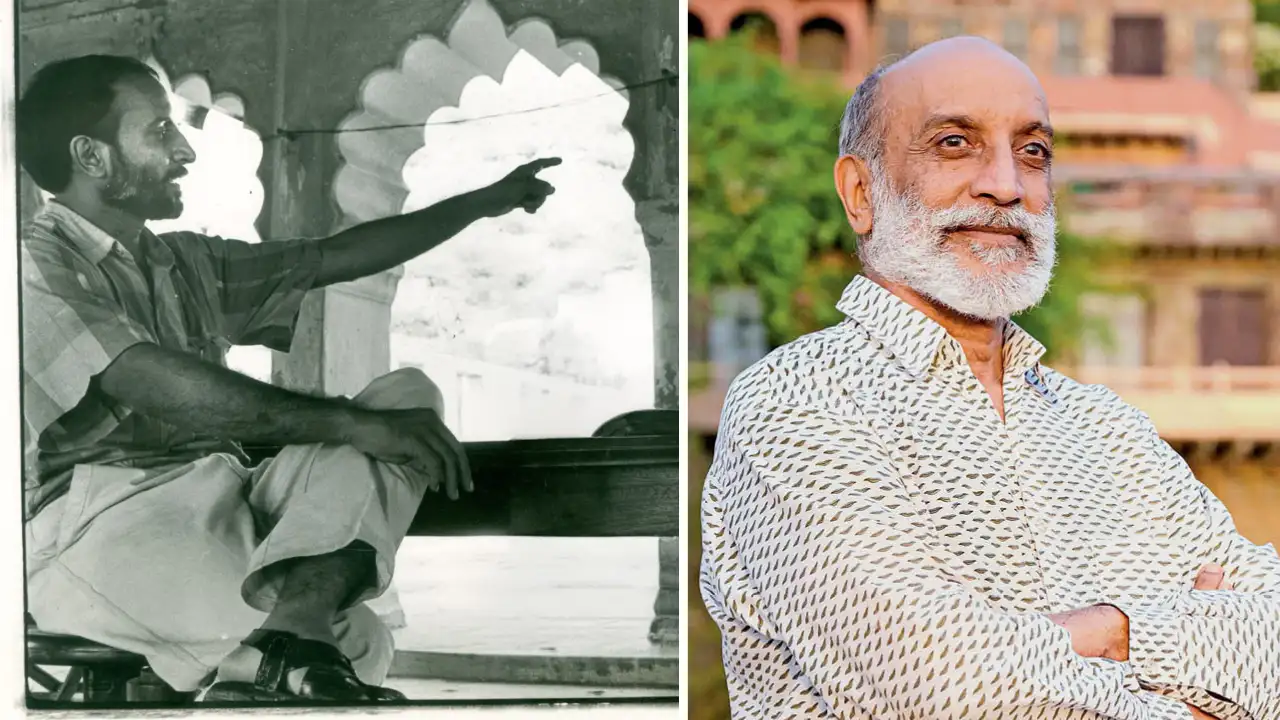
When the Neemrana Fort Palace opened as a hotel in 1991, Nath was also challenging the prevailing idea of what a heritage property could look and feel like.
He says, “I intuitively chose to be a behind-the-scenes person, and coined the phrase, ‘We don’t let history become a bygone’. “It must have been the first to make ethnic interiors fashionable in the hospitality industry – as well as serve fresh local cuisine,” he says. “One can imagine that life within would have been quite simple and basic in the mid-15th century: no running water or proper lighting, no attached bathrooms and so on,” he says.
Nath’s approach was not to preserve heritage behind glass but to put it back into use. That philosophy became the foundation of what he calls the ‘non-hotel’ hotel brand. Over the past four decades, he has expanded this philosophy across properties associated with communities and dynasties ranging from the Chauhans and Jats to the Marathas, Naruka Kachwahas and Reddys, to name a few. For Nath, the objective was to allow contemporary life to inhabit historic structures rather than leave them frozen in time. “Poetically, I wanted our contemporary clocks to flow through the splendid ruins and remind Indians of who they had once been – in fact, to be better than they ever were! The challenge, however, was to make a 15th-century structure work as a contemporary hotel without stripping it of its character. He did not see modern interventions as a betrayal of the past. “As free Indians, now we have the opportunity to express a more indigenous lifestyle that predated our colonisers. since our contemporary lifestyle desired the attached bathrooms, air-conditioning, the romance of beautiful jharokhas and sit-outs with colonial-era furniture Although the result was somewhat hybrid. But the interiors evoked a strong Indian accent. The food represented the same eclecticism, but it wasn’t fusion. Guests had multiple options, but the dishes were regional and truly authentic.”