
Nagpur: Union minister Nitin Gadkari on Saturday urged politicians to develop tolerance to accept criticism and refrain from reacting angrily to adverse media coverage, while also describing crisis of credibility as biggest challenge facing section of media today.
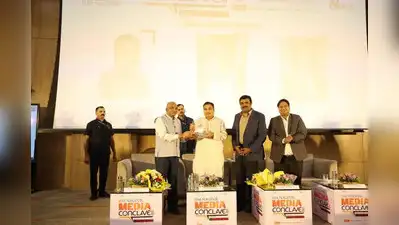
Addressing the inaugural session of IIM-Nagpur Media Conclave 2026, Gadkari said democracy thrives on differing opinions and criticism, and public representatives must learn to distinguish between politically motivated attacks and honest journalism.
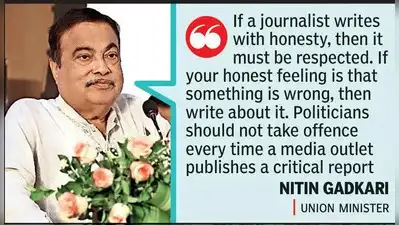
Gadkari said many times he too faced media criticism but didn’t react, believing ultimately it is the public which decides the fate of politicians. “While politicians must develop maturity to accept criticism, journalists must remain fearless, independent and committed to truth and credibility,” he said. Politicians should not take offence every time a media outlet publishes a critical report,” he said.
He added both politicians and journalists have important responsibilities in a democracy. “If a journalist writes with honesty, then it must be respected. If your honest feeling is that something is wrong, then write about it.
Recalling a debate over his decision to construct cement-concrete roads in Nagpur, he said journalists continued to question the policy despite efforts to improve road quality. “When I asked whether we should return to bitumen roads, I was told potholes would still be reported,” he said. Gadkari then asked a journalist to tell him what material should be used to build roads “to which the latter said he was not an expert”. Gadkari also said there are some editors and reporters who command great public respect, and there are some who may have big brands but their staffers are chased by the public. He said credibility is ultimately linked to a journalist’s commitment to democracy, society, the nation and the profession. “Good journalism, like good governance, is eventually recognised by society,” he added. Reflecting on his journey, Gadkari said his understanding of democracy was shaped by leaders such as former PM Atal Bihari Vajpayee and veteran socialist leader George Fernandes. “‘That is democracy,’ Fernandes had replied,” he said.
It cannot be built through marketing or self-promotion. He recalled asking Fernandes how so many prominent leaders within Janata Party could frequently disagree with one another.