
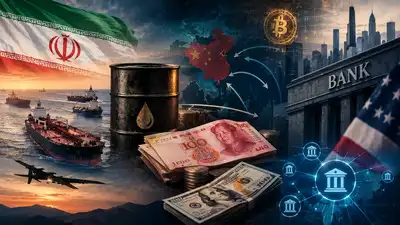
US sanctions on Iran undermined by $9B in funds still passing through American banks (AI-generated image)
The US Treasury identified about $9 billion in Iranian funds that passed through American banks in 2024, according to the WSJ report. China remains Iran’s biggest oil customer, accounting for more than 80% of its exports. Despite the blockade, China imported more than 500,000 barrels of Iranian oil a day in August, according to Kpler data cited by the WSJ. The Treasury said the bank’s UAE branch had processed about $1.8 billion in transactions potentially linked to Iranian shadow-banking networks and moved to restrict its access to US correspondent accounts.
Front companies and currency exchanges can disguise the Iranian connection before dollar transactions reach US banks for settlement, the report said. The revelation comes as President Donald Trump’s administration escalates its financial pressure on Tehran through “Operation Economic Outcast”, warning companies and countries against doing business with Iran and threatening to cut offenders off from the US financial system. Researchers cited by the WSJ said Iran has used billions of dollars worth of cryptocurrency for trade and to acquire weapons and commodities. Despite its efforts to avoid the dollar, Iran still needs access to US currency and other major currencies for imports, weapons purchases and funding regional allies, according to Western officials cited by the report. Iranian buyers can source materials for drones, ballistic missiles and other weapons from Chinese companies, according to the report.
Iranian funds can reach American banks indirectly through foreign financial institutions that maintain correspondent-banking relationships with US lenders. The scale is significant. The IRGC has also used crypto exchanges to receive payments for oil, particularly from Chinese buyers. A recent example is Banque Misr’s UAE operations. Some suppliers may not know the ultimate destination of the goods, while others are small enough or sufficiently disconnected from the global financial system to be less vulnerable to US sanctions.