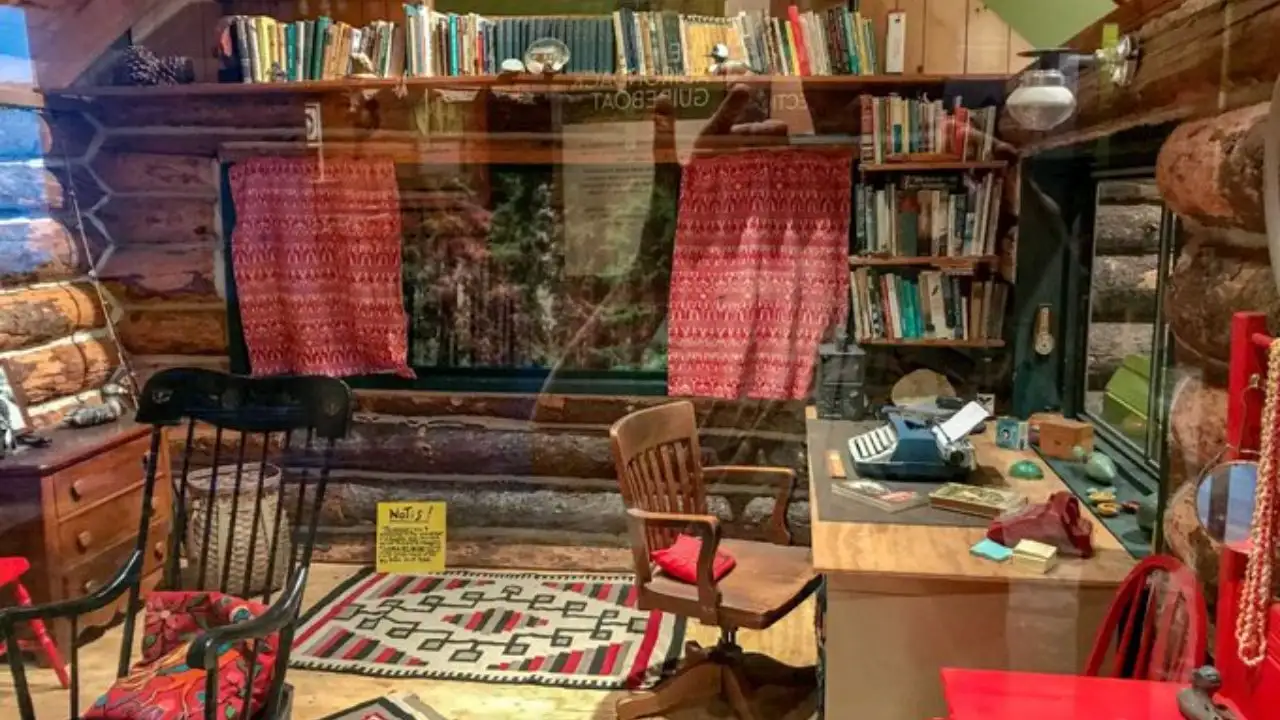
In 1964, she built a tiny 12-by-12-foot log cabin on the shore of Twitchell Lake, creating a home where modern conveniences were almost entirely absent. There was no electricity. No running water. No telephone. No road leading to the property. Deep in New York’s Adirondack wilderness, Anne LaBastille chose to build a life that most people would have considered impossibly difficult.
Her 32-acre West of Wind property was donated to New York State after her death and became part of the Forest Preserve, ensuring that the wilderness she fought to protect would remain protected for future generations.
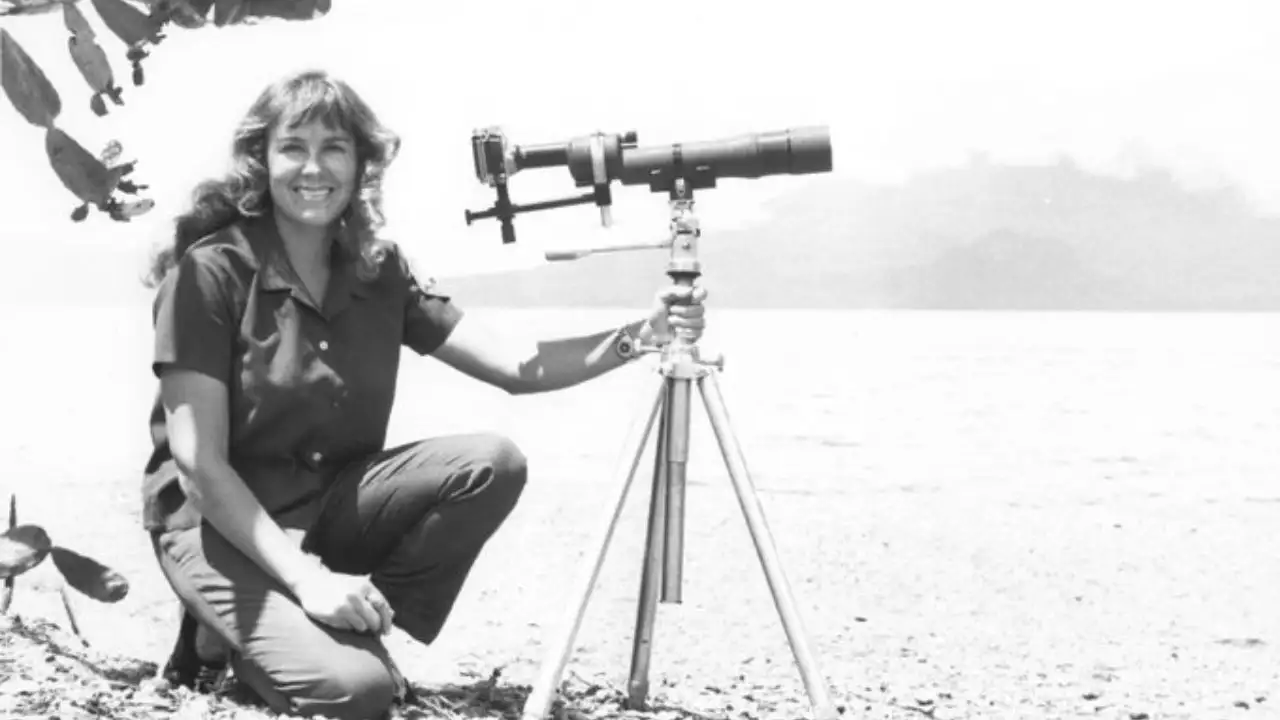
Her experiences became the basis of her celebrated “Woodswoman” memoir series, beginning with the book “Woodswoman”, published in 1976. “Woodswoman” transformed her personal experience of wilderness living into a story that resonated with readers beyond the Adirondacks. LaBastille, a wildlife ecologist, writer and conservationist, spent much of her life in the Adirondacks, documenting the realities of living close to nature through her writing. The series chronicled her life in the remote Adirondacks and her relationship with the wilderness. The result was a tiny cabin that became both her home and the setting for one of the most remarkable chapters of her life. LaBastille’s decision to live in the Adirondacks was not an attempt to escape for a weekend. Her cabin stood in a remote location accessible without a road. There were no power or telephone lines running to the property. Water had to come from the surrounding wilderness, while heat and cooking depended on traditional methods rather than household utilities. The isolation could be beautiful, but it could also be dangerous. Winter transformed the Adirondacks into a harsher world, with heavy snow, freezing temperatures and difficult travel. Even ordinary tasks such as getting supplies could become complicated when the lake froze or severe weather arrived. Yet LaBastille remained drawn to the solitude. Her memoirs described not an idealised version of nature, but the daily realities of surviving and finding meaning in a remote landscape. She wrote about chopping wood, dealing with winter, travelling by boat and living without the conveniences that had become routine for most Americans.
Today, the remote property she once called home has a different kind of legacy.