
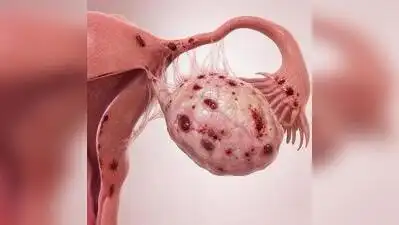
Nashik: In a breakthrough that could transform the diagnosis of endometriosis, an Indian Council of Medical Research-led study has identified 21 genetic regions linked to the condition in Indian women — including a strong high-risk signal near the LINC00415/SHISA2 region on chromosome 13 — laying the groundwork for early detection and treatment.
Published in scientific reports section of ‘Springer Nature’ on Sept 5, the first-of-its-kind nationwide genome-wide study analysed 2,523 women across 18 centres and found that Indian women share key genetic susceptibility patterns with populations studied worldwide, while also exhibiting population-specific genetic signals. The study, conducted under the Endometriosis Clinical and Genetic Research in India (ECGRI) initiative, identified 21 suggestive genetic regions associated with the disease, with the strongest signal emerging near the chromosome 13 SHISA2 locus. The study found a median participant age of 29.2 years, underscoring what researchers describe as India’s exceptionally high burden among adolescents and young women.
Our study shows that Indian women share some genetic susceptibility with other populations and provides a foundation for research rooted in Indian patients and genetic diversity,” said Dr Rahul Gajbhiye, principal investigator and scientist at ICMR-NIRRCH. Lead author Dr Sandhya Anand said the findings could help advance future risk prediction and early diagnosis. “These findings are not meant for immediate clinical testing, but they provide an important foundation for understanding endometriosis biology, genetic risk and earlier recognition of the disease in South Asian populations,” she said. Scientists said the research arrives as the World Health Organization prepares fresh guidelines on endometriosis management, helping fill a major gap in genomic data from South Asia and moving the field closer to precision medicine for women affected by the condition.
“Endometriosis affects women across the world, but the genetic evidence base has largely come from non-South Asian populations. Dr Sandhya Anand (lead author), Dr Geetanjali Sachdeva (director, ICMR-NIRRCH), and Prof Grant W Montgomery, Prof Gita D Mishra, and Dr Sally Mortlock from the University of Queensland, Australia, were also involved in the study.