Thermocol-free decoration ideas for an eco-friendly puja
With Ganesh Chaturthi 2026 landing on September 14, there’s still time to plan a mandap built entirely around natural, reusable and biodegradable materials, without losing any of the colour, warmth or grandeur that makes the festival what it is. A surprising amount of what typically gets carved out of thermocol- small pillars, decorative borders, and jaali-style cutout patterns can be recreated with sturdy cardboard instead. Old cartons and shipping boxes, cut and layered, hold their shape well enough for lightweight decorative elements, and they take paint and glitter just as easily as foam does. Origami and paper quilling have also found their way into a lot of eco-friendly setups lately; folded paper flowers, mandala-style paper cutouts, and simple paper lanterns strung along the backdrop all add detail without a scrap of plastic involved. Old newspapers and magazines, rolled or layered, can similarly be shaped into garlands or decorative borders, giving leftover paper a second life before it heads to recycling anyway. Eco-friendly decisions don’t have to stop at the mandap itself. Distributing prasad on banana leaves instead of plastic or thermocol plates keeps the sustainability streak going right through to the food, and it’s a small touch that a lot of families already remember from their own childhood Ganpati celebrations. Cloth or paper bags, decorated with dried flowers or ribbon, work just as well for packing prasad to send home with guests, sidestepping the plastic packaging that tends to pile up during the ten-day celebration. If anything, a thermocol-free setup tends to feel more personal, built from things with a bit of history rather than something bought off a shelf and thrown away ten days later, which feels like a fairly fitting way to welcome Bappa home.
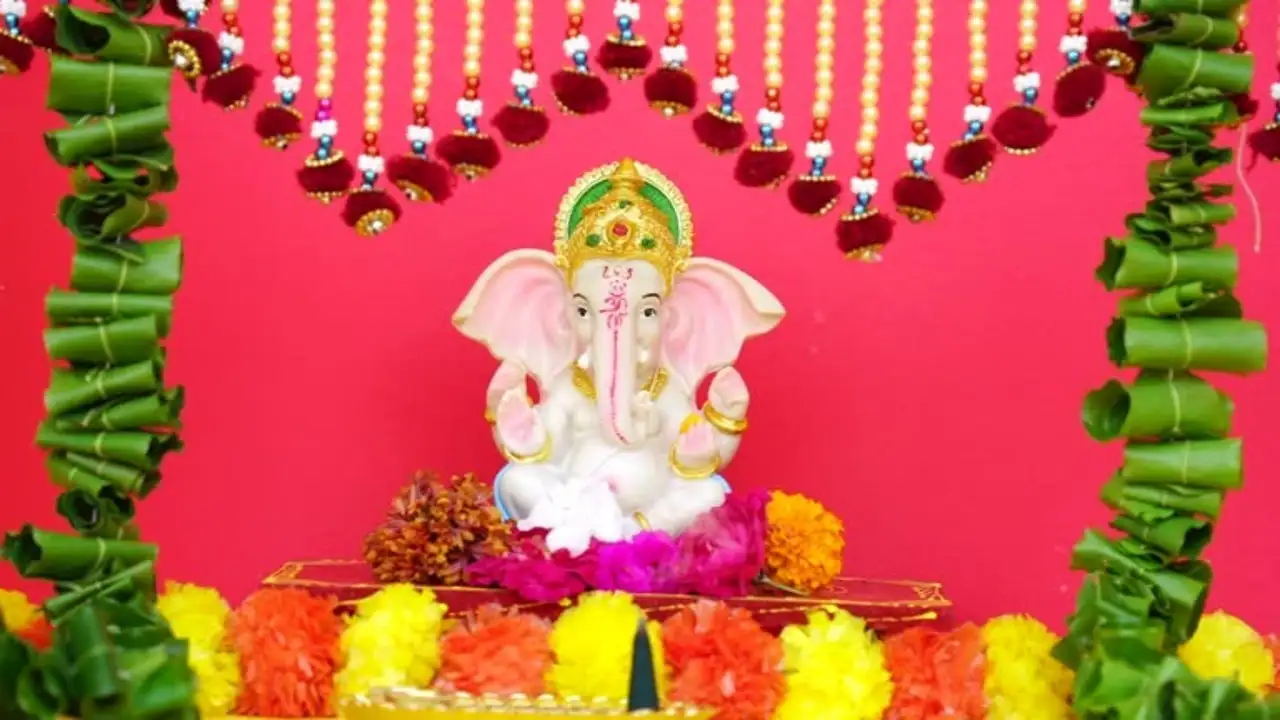
Ganesh Chaturthi 2026 will be observed on Monday, September 14, and with several states having tightened restrictions on thermocol and single-use plastic over the years, a lot of households are already rethinking how they put together their mandap this season. Because it’s cheap, lightweight and easy to carve into arches, temples and pillars, but it’s also one of the least sustainable materials out there; it doesn’t biodegrade, it’s flammable, and when it inevitably ends up in a drain or a water body during immersion season, it causes real damage to marine life and clogs waterways for months afterwards, thermocol has long been the default choice for Ganpati decorations largely. The good news is that going thermocol-free doesn’t mean settling for a plain, understated setup; there are plenty of materials, most of them already lying around the house, that can build a mandap just as festive, arguably more characterful, without any of the environmental fallout. Here’s how to put one together this year.