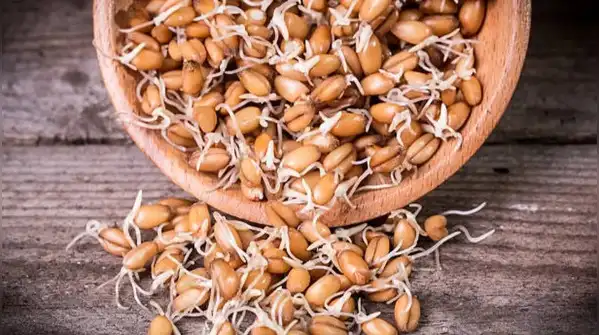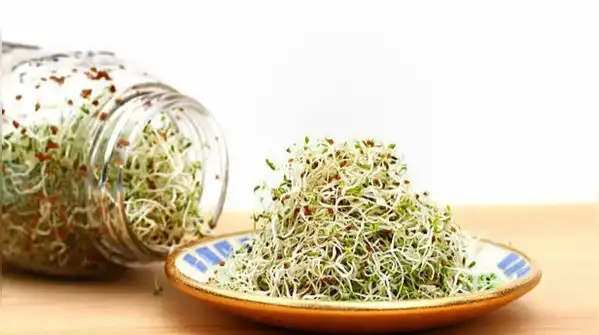
Walk down the fresh produce aisle of most supermarkets, and you’ll find packets of pre-sprouted moong or chana sitting next to the vegetables, priced at a fair premium for something that’s essentially just soaked, germinated beans. It’s a convenient option, sure, but also a slightly unnecessary expense once you realise how little effort actually goes into making sprouts at home: no special equipment, no complicated technique, just a bowl, some water and a bit of patience. Homemade sprouts also tend to taste noticeably fresher and crunchier than the packaged versions, which have usually been sitting in plastic for a few days by the time they reach the shelf. Whether you’re making a quick sprouts salad, a chaat, or throwing a handful into a curry, here’s how to sprout moong and chana properly in your own kitchen.
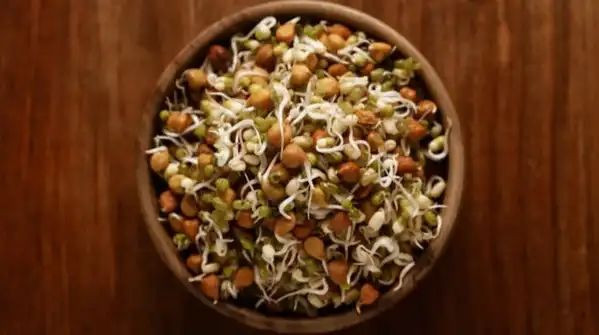
Because sprouting involves warm, moist conditions over an extended period, it’s worth being a little more careful with home-sprouted beans than you might be with other fresh produce. The whole process begins the night before you actually want your sprouts ready, since both moong and chana need a long soak before anything else happens. Rinse the beans two or three times under running water to get rid of any dust or loose debris, then transfer them into a bowl and cover them with water, leaving roughly an inch of water above the beans since they’ll swell up considerably as they absorb moisture overnight. Chana in particular tends to expand more than moong, so don’t be surprised if the bowl looks a lot fuller the next morning than it did the night before. An overnight soak of around eight to twelve hours is usually enough, though leaving it a little longer doesn’t cause any harm if you happen to sleep in. Depending on how long you leave the beans to sprout, giving them a quick rinse with fresh water once or twice a day helps keep the process clean and prevents any smell from developing, particularly in warmer weather. After rinsing, make sure to drain the beans thoroughly again before re-wrapping them, since reintroducing standing water at this stage undoes a lot of the good the rinse was meant to do. If you’re aiming for shorter, crunchier sprouts rather than long, thread-like ones, checking on them after the first day and using them as soon as small tails appear usually gives the best texture for salads and chaats. Always use clean utensils and containers, rinse the beans thoroughly at each stage, and if the sprouts ever develop a sour or off smell, look slimy, or show any signs of mould, it’s best to discard the whole batch rather than risk it. Cooking sprouts briefly, rather than eating them completely raw, is generally considered the safer option for anyone with a more sensitive digestive system, particularly for chana sprouts which tend to be a bit heavier to digest raw compared to moong. Once you’ve made a batch or two at home, going back to the pre-packaged versions starts to feel a little pointless; homemade sprouts cost a fraction of the price, taste noticeably fresher, and really only ask for an overnight soak and a bit of patience in return.