
Smartphone manufacturers are adapting to a changing market characterized by rising hardware component prices, largely driven by increased demand for artificial intelligence (AI) technologies. Industry experts warn that the era of affordable “flagship killer” devices may be coming to an end as supply chain pressures impact production costs.
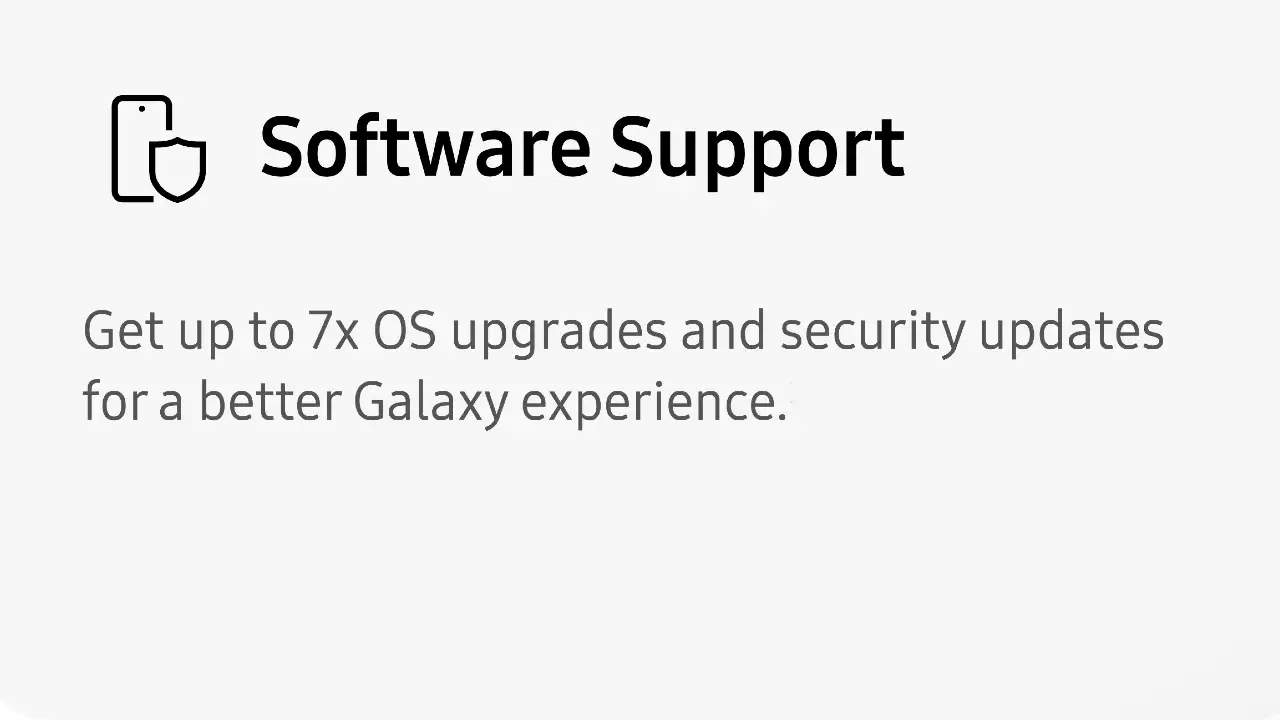
In response, brands are shifting their focus from frequent hardware upgrades to enhancing long-term user satisfaction. This includes improvements in user experience at the point of purchase and extended software support throughout the device’s lifecycle. The goal is to provide greater value to consumers, even as the cost of new devices rises.
Ultimately, the “flagship killer” concept, once beloved by budget-conscious tech enthusiasts chasing maximum specs for minimum spend, is becoming a relic of a different era. The real competitive battleground is shifting from spec sheets to software ecosystems, long-term support commitments and the overall experience a device offers well beyond its launch
Multiple years of software support becomes the new standard
Global premium smartphone market (wholesale average selling price $600 and above) remained resilient in H1 2026, with unit sales growing 5% YoY and their share of the overall global smartphone sales rising to the highest ever at 29%, up from 25% in H1 2025 and 20% in H1 2022, according to Counterpoint Research’s Handset Model Sales Tracker.
Research director at Counterpoint Research, smartphone manufacturers are expected to pivot away from chasing raw hardware specifications and instead double down on software as their primary battleground for competition, according to Tarun Pathak. He explained that as the pace of hardware upgrades naturally slows, brands will lean more heavily into building distinctive software experiences, rolling out proprietary AI-driven features and committing to multi-year operating system support to justify the value of a smartphone purchase over the long haul.
Despite this optimism around premium demand, the ongoing memory crisis – often referred to as “RAMageddon” within the industry – casts a shadow over what comes next for consumers planning their next upgrade. As memory chip costs continue climbing, manufacturers may have little choice but to pass these higher costs along to consumers, making the jump to a new premium device notably more expensive than it might have been just a year or two ago. It also means that the old habit of waiting patiently for festive season sales to snag a better deal may no longer pay off the way it once did. With memory prices unlikely to ease anytime soon, and premium device costs potentially climbing further, those in the market for a new smartphone or laptop might be better served by making their move sooner rather than later.