Image(s): Canva
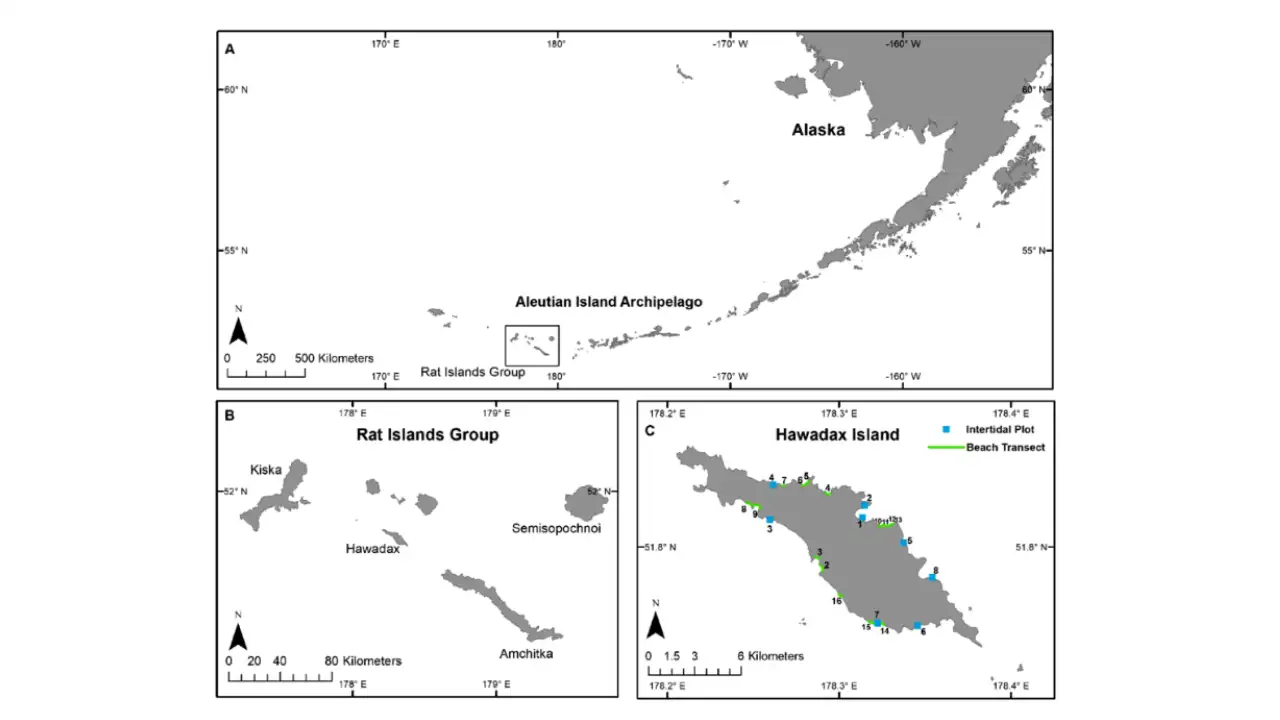
In 2008, scientists carried out a full eradication, removing every rat from the island. Eleven years later, a 2021 study titled ‘ Indirect effects of invasive rat removal result in recovery of island rocky intertidal community structure ’ in Scientific Reports confirmed seabirds had returned, and with them, a kelp-rich intertidal ecosystem resembling untouched islands nearby. As invertebrate grazing pressure fell, fleshy algae and kelp cover expanded significantly across Hawadax’s shoreline, and by 2019 the intertidal community closely resembled that of islands that had never been invaded by rats.
Invasive Norway rats, accidentally introduced by 18th-century shipwrecks and wartime shipping traffic, wiped out nesting seabirds and unravelled the island’s rocky intertidal food web for two centuries. Co-author Donald Croll noted the work confirms how deeply introduced predators can reshape entire island ecosystems, while also showing the scale of benefits removal can deliver. Alaska’s Hawadax Island, once known as Rat Island, offers one of conservation’s clearest success stories. The Scientific Reports study, led by UC San Diego’s Carolyn Kurle with researchers from UC Santa Cruz, Island Conservation, and federal agencies, called it a rare, measurable example of conservation success. The findings offer strong evidence for continued rat-eradication efforts on invaded islands worldwide, from remote Alaska to the tropics.