

There are a few kitchen disappointments as small yet consistently annoying as reaching for a lemon and finding it shrivelled, discoloured, or worse, growing a fuzzy patch of mould you did not expect after just a few days. Lemons are a staple in nearly every Indian kitchen, showing up in everything from a quick squeeze over dal to nimbu pani, pickles, and marinades, which makes it especially frustrating when they spoil before you have had a chance to use even half of what you bought. The good news is that lemons, unlike many other fruits, are actually quite forgiving if stored correctly, and with a handful of simple techniques, you can easily stretch their freshness from a few days at room temperature to several weeks, or in some cases even months, without any special equipment.

Cut lemons need different handling
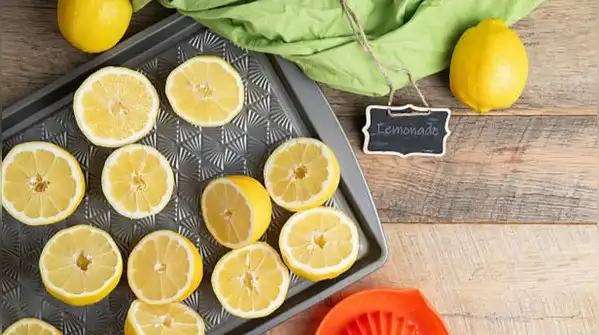
Once a lemon has been cut, its shelf life drops dramatically compared to a whole fruit, since the exposed flesh is now directly vulnerable to air and bacteria. A cut lemon left uncovered on the counter will typically dry out or spoil within a day or two. Wrapping the cut half tightly in cling film, or better still, placing it cut-side down on a small plate before refrigerating, helps slow moisture loss and keeps it usable for three to four days. Storing cut lemons in a small airtight container in the fridge works even better, particularly if you tend to use half a lemon at a time and want the remaining half to stay fresh for your next cooking session. An old household trick that continues to work well involves lightly coating cut lemon surfaces or whole lemons with salt before storing them. Salt draws out some moisture initially but also acts as a natural preservative that inhibits bacterial and mould growth, extending shelf life noticeably when combined with refrigeration. This is essentially the same principle behind traditional lemon pickles, where salt plays a central preserving role over much longer periods. For those who prefer a milder approach, a light sugar coating can achieve something similar for lemon slices intended for drinks, though salt tends to be more effective for general preservation purposes. The overall takeaway is that lemons do not need elaborate storage systems to stay fresh for weeks; they simply need protection from excessive moisture loss and air exposure. Refrigerating whole lemons, submerging them in water for extended freshness, and freezing juice or zest for longer-term use together cover almost every household need without requiring any special equipment. With these small adjustments to how and where you store them, you can comfortably buy lemons in slightly larger quantities without worrying about waste, always having a fresh one on hand exactly when a recipe calls for it.
When you have bought lemons in bulk or want to preserve a particularly good harvest, freezing is the most reliable option for storage stretching into months rather than weeks. Whole lemons can be frozen directly, though the texture changes slightly once thawed, making them best suited for juicing rather than using in slices. Alternatively, freezing lemon juice in ice cube trays and transferring the frozen cubes into a freezer bag gives you pre-measured portions ready to drop into dals, curries, or drinks whenever needed. Lemon zest can also be frozen separately in small airtight bags or containers, preserving its aromatic oils remarkably well for future use in cooking and baking.