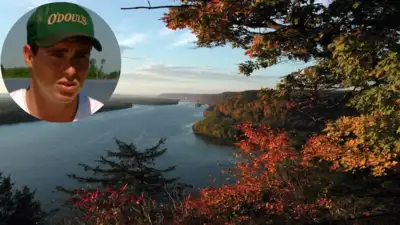
Portrait of Chad Pregracke along with the Mississippi River from Fire Point in Effigy Mounds National Monument, Iowa, USA. Credits – Youtube/@moconservation, Wikimedia Commons
By 2025, the totals had ballooned into numbers that would have looked incredible to the 22-year-old working alone on a tiny grant nearly three decades earlier. Today, Living Lands and Waters has around 140,000 volunteers who have taken part in cleanups, removing more than 14 million pounds of debris from 33 rivers in 23 states.
The National Mississippi River Museum and Aquarium , which awarded Pregracke for his achievement in protecting the river, says his efforts have inspired thousands of volunteers in river communities who would never have been directly involved with the waterway that runs through their towns. The crew of Pregracke now has a fleet that includes barges, towboats, workboats, skid steers and heavy equipment that can pull out debris no ordinary volunteer group could handle alone, a far cry from the single small boat he started with, according to Points of Light , the volunteer service organisation that has followed his progress over the years. This initiative has earned recognition far beyond the river villages themselves. What started as a teen’s frustration over an ignored problem has, nearly thirty years later, become one of the longest-running grassroots environmental efforts in American history, proof that sometimes the easiest way to deal with a problem nobody else will solve is to just start fixing it yourself, one piece of trash at a time. Catch the latest World News and Live updates. Download the TOI app.
Since then the charity has grown well beyond simple cleanups, including a tree planting initiative that has planted more than a million seedlings back along riverbanks and educational activities that bring students onto the water for hands-on learning about the ecosystem they live beside.
Deciding to do it himself In 1997, at 22, Pregracke landed a tiny grant from the aluminium firm Alcoa and decided that if no one else was going to clean the river, he would. He spent that year alone, mostly from an old boat, removing more than 45,000 pounds of trash from a stretch of the Mississippi, pulling the debris out one piece at a time and, in the early days, dumping a lot of it on his parents’ front lawn, an arrangement that didn’t last long once the neighbours noticed. A year later, in 1998, Pregracke codified his efforts by forming a nonprofit organisation, Living Lands and Waters, which gave the initiative the structure and fundraising ability it needed to develop beyond one guy and one boat.
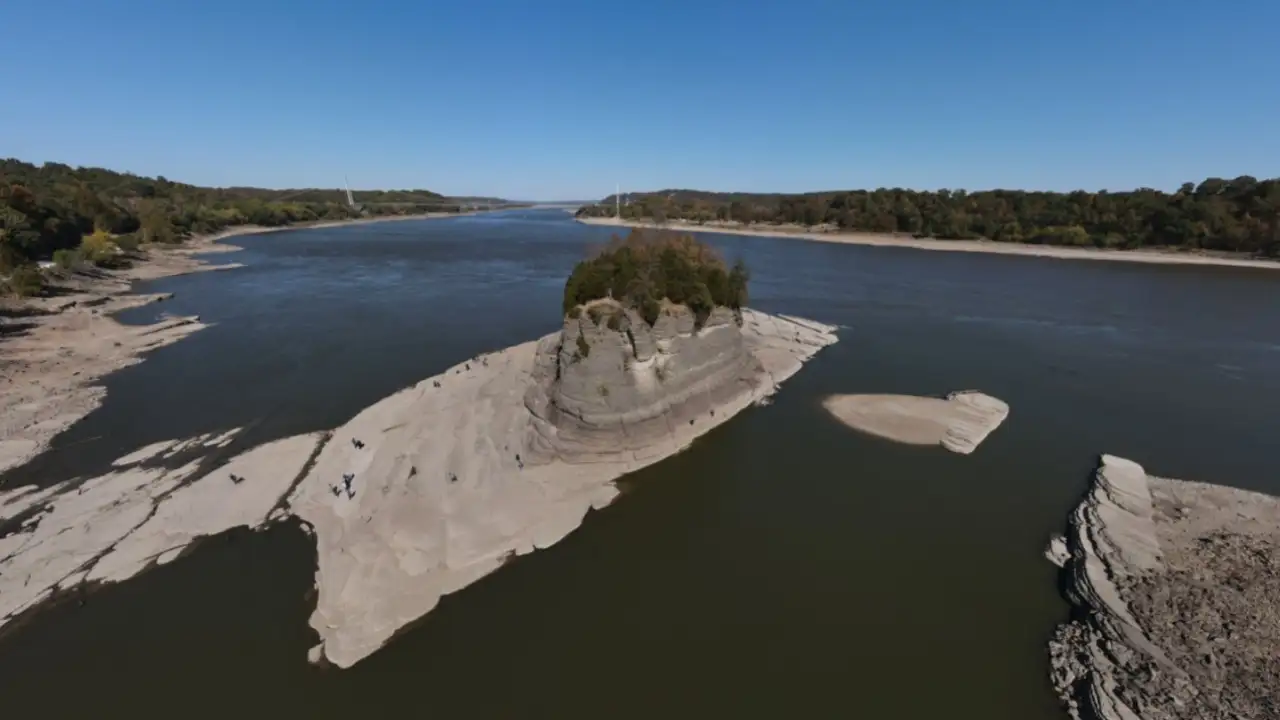
Living Lands and Waters says its crews can spend up to nine months a year travelling between rivers for cleanups, restoration projects and environmental education. The majority of individuals who are angry about pollution either file a petition, send a letter, or just complain to anyone who will listen. Few believe that getting a boat and beginning to remove the trash yourself is the only practical approach. Even fewer transform that one choice into a movement with tens of thousands of volunteers and dozens of rivers. That is essentially the trajectory of Chad Pregracke’s career, which started off as a simple annoyance at what he kept seeing beneath the surface of the river he grew up next to rather than with a big strategy. Pregracke was raised in East Moline, Illinois, with the Mississippi River essentially as his backyard. As a youngster working as a commercial shell diver for the cultivated pearl industry, he spent extended periods underwater, becoming more and more shocked at what he found there: thousands of tyres, discarded barrels, abandoned automobiles and even the tops of school buses littering the riverbed. As a teenager, he began by writing to government officials and asking them to do something about it. Local media caught up on the oddity of one young man taking a position that appeared to be a government agency’s, and suddenly the attention snowballed. From one boat to a professional cleanup crew What began as Pregracke’s solo effort eventually became a staffed operation with barges, workboats and heavy equipment. Over the decades, crews have hauled out far more than regular debris from America’s waterways. Pregracke’s crews have hauled out washing machines, tractors, pianos and refrigerators, along with the plastic bottles and food wrappers more commonly associated with river litter. Some of the larger objects were deliberately discarded, while others entered the river through accidents, flooding or years of neglect. Each of those objects presented its own silent hazard, seeping oil, refrigerant or other pollutants into a river system that provides drinking water for millions of people in dozens of American towns. An aerial photo of low river levels around Tower Rock on the Mississippi River at Grand Tower, Illinois. Credits – Wikimedia Commons The statistics, decades on