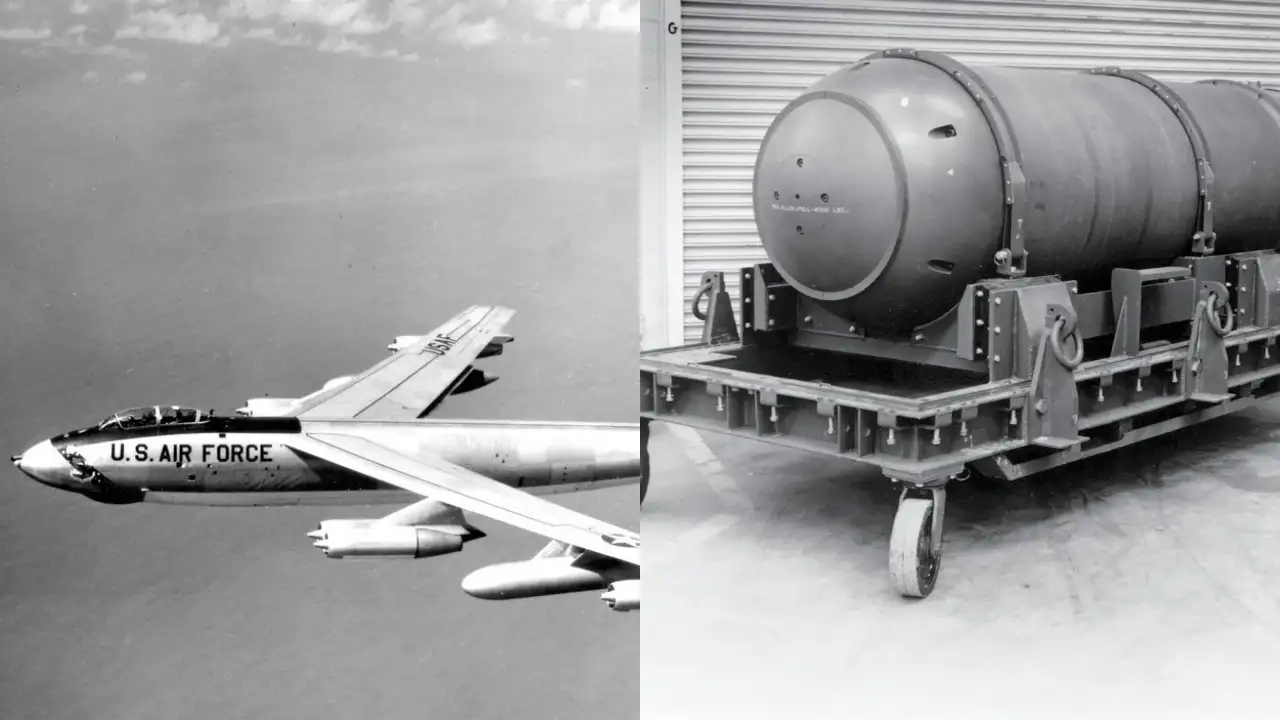
A B-47 aircraft and Mark 15 nuclear bomb linked to the 1958 Tybee Island incident, one of several Cold War-era U.S. nuclear weapons accidents | Wikimedia Commons
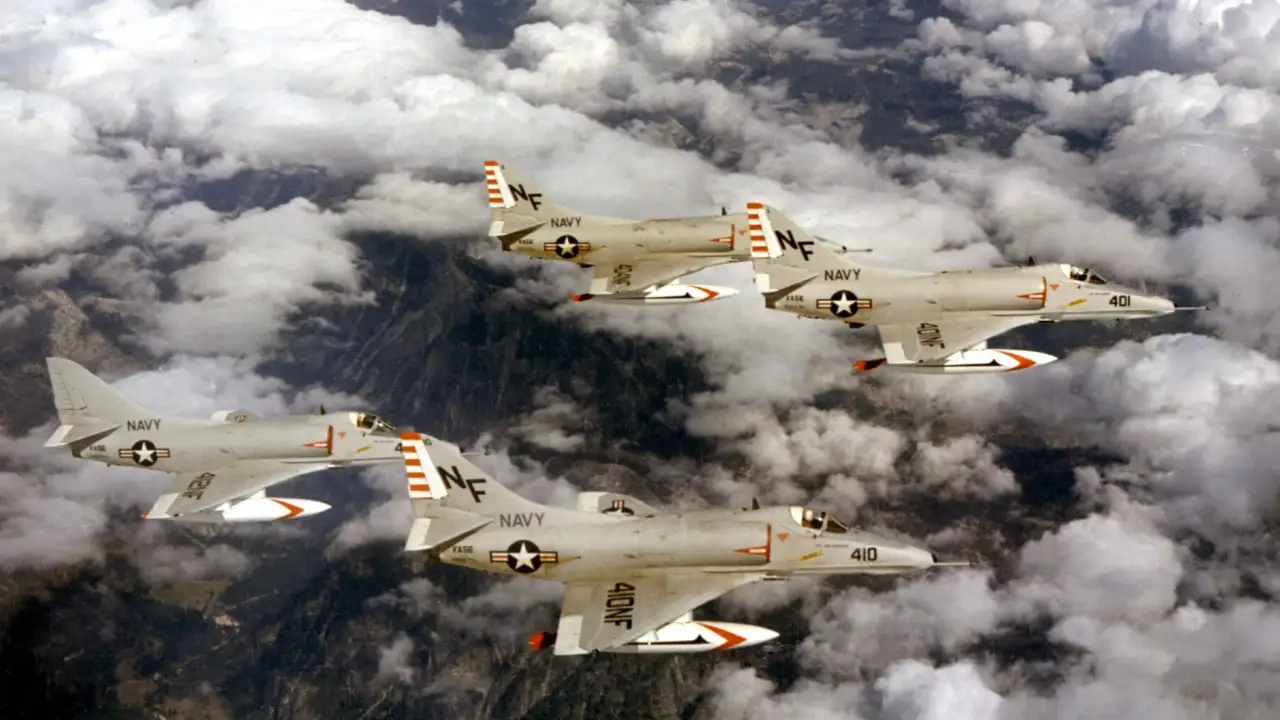
One disappeared into waters near Tybee Island, Georgia, in 1958, while another went into the Philippine Sea in 1965 after an aircraft slipped from the USS Ticonderoga. A third was lost after a B-52 crash near Thule Air Base in Greenland in 1968. A B-47 aircraft and Mark 15 nuclear bomb linked to the 1958 Tybee Island incident, one of several Cold War-era U.S. nuclear weapons accidents | Wikimedia Commons A B-47 bomber that was carrying a Mark 15 thermonuclear bomb was involved in a collision during a training mission near the South Carolina coast on February 5, 1958. The second missing weapon disappeared on December 5, 1965, when an A-4E Skyhawk that was carrying a B43 nuclear bomb rolled toward an aircraft elevator aboard the USS Ticonderoga. BBC Future reported that the weapon is believed to be lying about 16,000 feet, or roughly 4,900 metres, underwater near a Japanese island. The third case occurred in Greenland in 1968, when a B-52 that was carrying four nuclear weapons caught fire and crashed near Thule Air Base. The three missing weapons are different from the fourth bomb involved in the 1966 Palomares accident in Spain. A-4E Skyhawks from VA-56 in flight around 1965, the same squadron that operated aboard USS Ticonderoga during the period of the Philippine Sea incident | Wikimedia Commons
At least three US nuclear bombs that were lost during the Cold War have never been recovered. The weapons remain among the US military’s unresolved nuclear-weapon losses. The incidents happened during a period when US aircraft routinely carried nuclear weapons during training and airborne-alert operations. Some weapons were recovered quickly; others disappeared into the sea or were left in locations where recovery proved impossible. The missing weapons were not identical cases since their locations, depths and circumstances differed, and so did the information available about what happened to them. The damaged aircraft needed to make an emergency landing. The aircraft went over the side of the carrier and disappeared into the Philippine Sea, and the pilot, aircraft and bomb were never recovered. The crew escaped, but the aircraft and its weapons were destroyed in the crash. The incident produced widespread radioactive contamination from the conventional explosives and nuclear materials in the weapons, although there was no nuclear detonation. That weapon also disappeared underwater, but it was eventually located and recovered after an extensive search using ships, aircraft and the deep-sea submersible Alvin.