If the purchase goes through, the tribe plans to manage the property using indigenous stewardship practices.
California has approved $5 million towards the purchase of 357 coastal acres in Cayucos that once housed the largest abalone farm in the US. The yak titʸu titʸu yak tiłhini Northern Chumash Tribe is seeking to buy the property for $18 million and restore parts of the land and its former aquaculture operation. The tribe’s nonprofit organisation entered into a purchase agreement with the estate of engineer John Alexander in 2024. The fundraising deadline is October 15, when the escrow period ends. As of June 2026, the organisation had raised almost $8.2 million, including a $7 million grant from California’s Sustainable Agricultural Lands Conservation Program. The pipe can bring in about 7,000 gallons of seawater per minute, according to Ruttenberg. “That just hasn’t been a thing for 30, 40 years.
Because they live in the intertidal zone, black abalone are different from other abalone. Because abalone has long been an important food source, the project also has a cultural importance for the tribe.
The property, known as Alexander Ranch, has about one mile of coastline, according to The Tribune. Ben Ruttenberg, co-founder of the Harmony Coast Aquaculture Institute and director of Cal Poly’s Center for Coastal Marine Sciences, said of ytt Tribe, “They are the perfect partner. He said such permits are very difficult to obtain and are important for an aquaculture operation. “Our goal here is to produce excellent water that is better than the water we brought in, or at least cleaner and has less carbon dioxide than the water we pumped in,” Ruttenberg said. Lucas Thomas said the tribe hopes to continue raising red abalone while also working with endangered white and black abalone for restoration. Lucas Thomas said that could make the property a useful location for black abalone restoration work. Lucas Thomas said some of the existing aquaculture facility could be used to study how black abalone can be raised in captivity. “Many of our elders grew up with abalone being a fixture,” Lucas Thomas said. It’s a really, really important piece of this for us,” Lucas Thomas said.
It includes a eucalyptus grove that provides monarch butterfly habitat, a seasonal creek flowing into the Estero Bluffs and hills covered with grasses, sage and willow trees. This was originally their land. The institute also holds a state permit for the farm’s seawater intake pipe. The planned operation would not only focus on producing abalone for food. The tribe also hopes to use part of the facility for research and restoration. The former farm raised red abalone. This is the part of the coast that is covered by the ocean during high tide and exposed to air during low tide. Other abalone species live in deeper water. Tribal members recently surveying the property found black abalone along the coastline. Scientists already understand how to raise white abalone in captivity and move them into the wild. However, there have been few successful attempts to raise black abalone on a farm. California closed the recreational abalone fishery, while buying the molluscs has become expensive, leaving the tribe without consistent access to them. Tribal members eat abalone and also use its shells to make jewellery and decorate regalia. “To be able to have access not only back and steady, but within our control, as something that we’d be able to provide directly for our community. Catch the latest World News and Live updates. Download the TOI app.
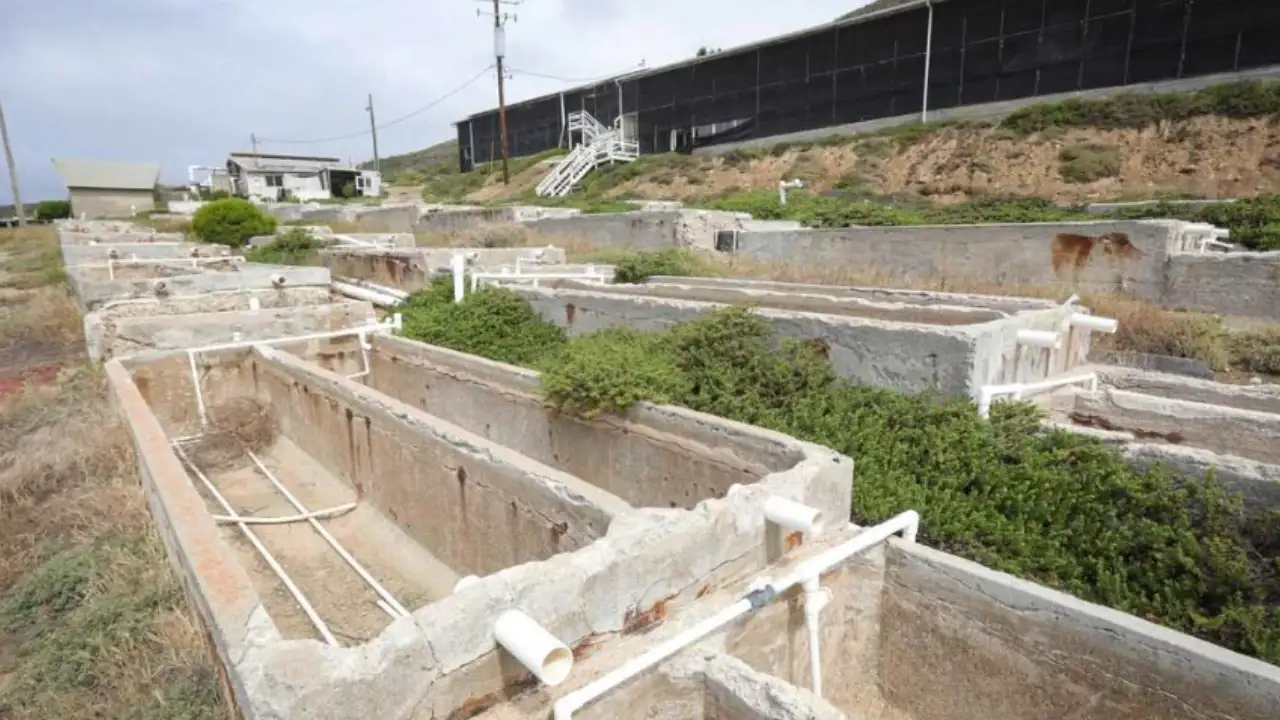
The former abalone farm, closed in 2020, is part of the $18 million Alexander Ranch sought by the Northern Chumash Tribe. At its peak, the farm raised about 1 million abalone each year for meat. The facility closed in 2020. About 900 concrete aquaculture tanks have remained unused since then.
Because abalone build their calcium carbonate shells more effectively in less acidic water, that is important. Because of the animals’ waste, after passing through the abalone tanks, the water would have higher carbon content and acidity. It would therefore pass through another algae tank before being released back into the ocean.
Executive director of the ytt Northern Chumash Nonprofit, the land has a long connection with her people, according to Becca Lucas Thomas. It was created by our ancestors,” Thomas says. Thomas says members could eventually gather and camp there without having to seek permission from another landowner or rent a campsite.
Before Alexander used the property for aquaculture, it was home to an Indigenous village called tsitxala. The tribe had harvested abalone from the coast for thousands of years. “This property is really special. It holds a lot of history. If the purchase goes through, the tribe plans to manage the property using indigenous stewardship practices. The proposed restoration work includes repairing habitats in the Villa Creek watershed, with the aim of supporting the return of steelhead trout. The project is called yatspasini wa yaktspu Conservancy, meaning ‘Ocean to land conservancy’. Lucas Thomas saysthe landscape had been actively managed by indigenous people before colonists forcibly removed them. “While we look at this beautiful coastline, remember that it looks this way intentionally. The property also offers a place for the tribe to reconnect with its ancestral land. The property also contains the remains of an abalone farm built during the 1960s. The Harmony Coast Aquaculture Institute currently leases the facility and wants to work with the tribe on bringing the farm back into operation. The proposed system would use algae as part of the water treatment process. Seawater would first be pumped into an algae tank, where the algae would absorb nutrients. This would lower the water’s carbon content and acidity before it reaches the abalone tanks. The farm could also use the algae as food for the abalone. The animals need large amounts of food and can take about five years to reach market size.
The tribe historically transplanted selected plant species, maintained waterways and used intentional burning to manage the landscape. To have the opportunity to bring this place back to our families today is really remarkable,” Thomas says, as quoted by The Tribune.