

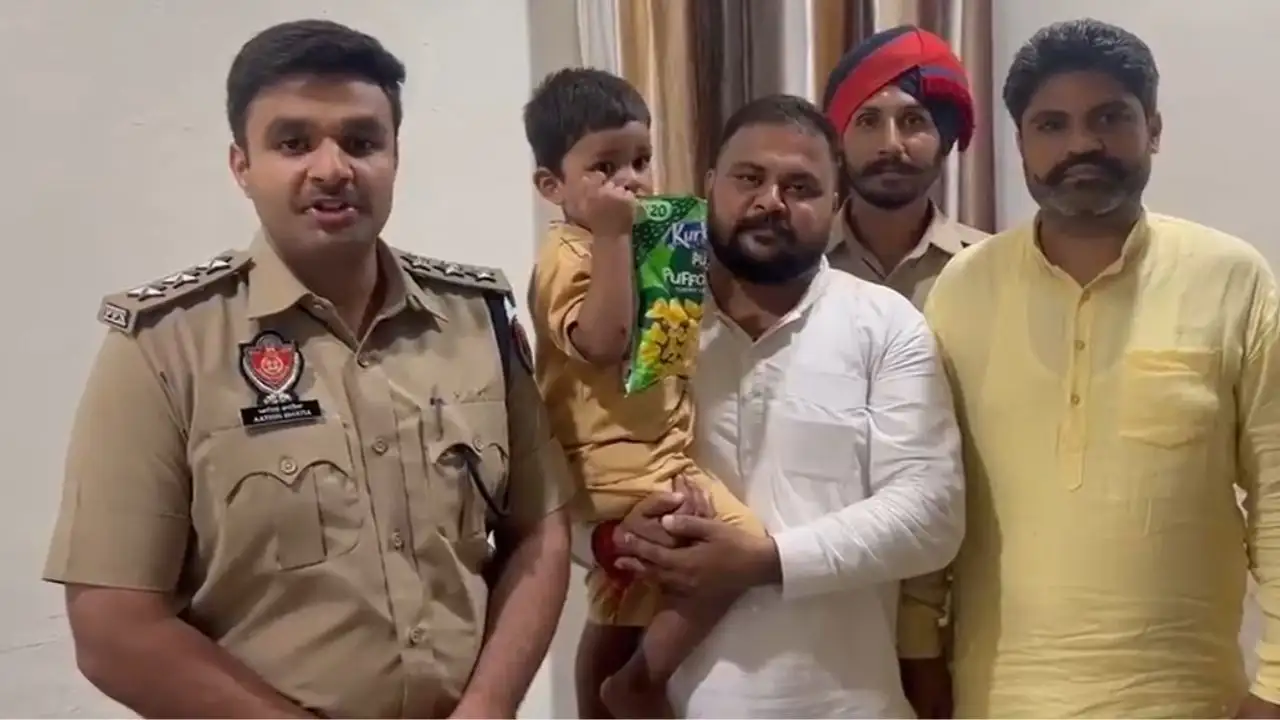
A four-year-old boy named Keshav, a resident of Pannu Vihar in Jalandhar and the son of a labourer, was abducted on Thursday, September 17, while playing with friends in his own locality, according to reports by local news. The incident occurred around 2 pm, when two men riding a scooter took the child away from an area falling under the Basti Bawa Khel police station. As reported by Amar Ujala, police received information about the missing child around 2 pm and immediately began investigating, according to ACP (West) Aatish Bhatia.
A preliminary inquiry confirmed that two individuals riding an Activa scooter had taken the child, following which a case was registered at the Basti Bawa Khel police station and search teams were formed.
Police said they closely examined CCTV footage from cameras across the area and intensified the search based on available leads. CCTV footage showing the masked men on the scooter with the boy was later circulated widely.
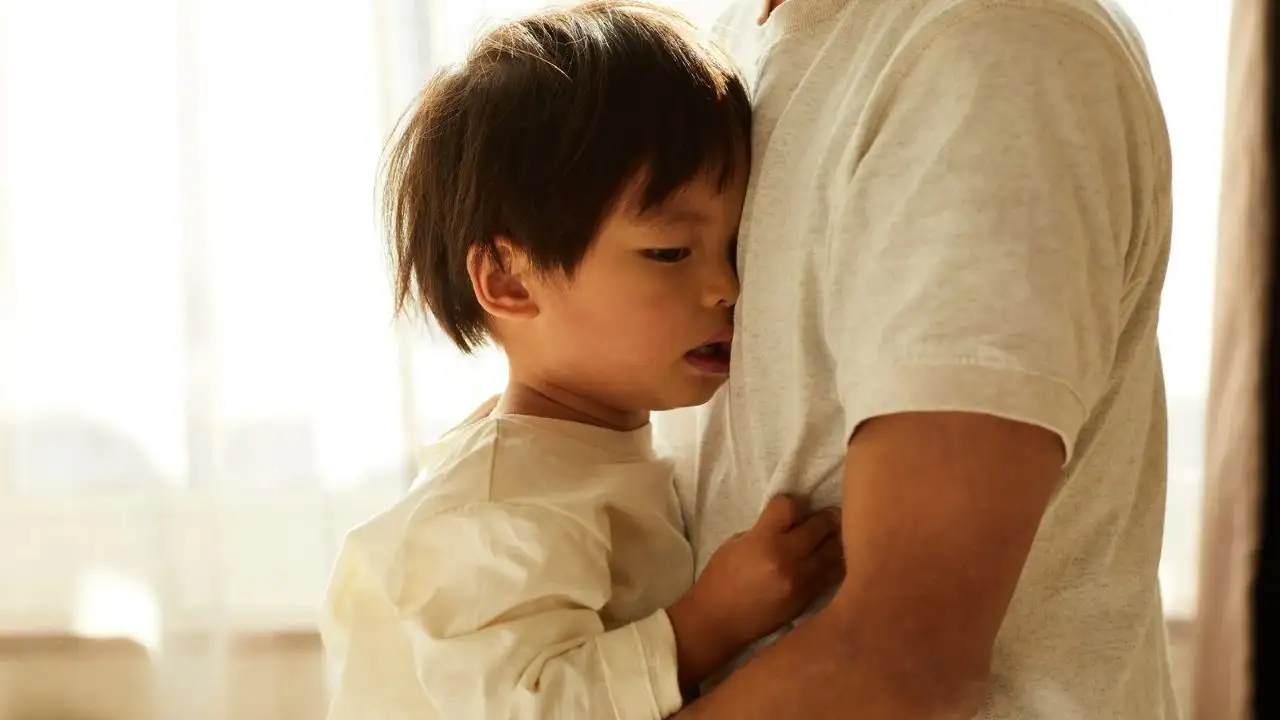
Experts also suggest teaching children to recognise specific suspicious behaviours rather than specific people, such as an adult asking a child for help finding a lost pet, offering unprompted gifts or treats, or asking them to keep a secret from their parents, since these are common tactics used to lower a child’s guard. Beyond these home-based habits, experts also recommend a few specific skills children should practise, not just hear about once. Kids should be taught to always play in pairs or groups rather than wandering off alone, since there is genuine safety in numbers. They should also be able to confidently recite their full name, their parents’ phone number, and their home address so they can share this information with a trusted adult if they ever get separated from family in a crowd or public place. Finally, children should be taught what to do in the moment if they feel unsafe: to loudly call out for help, drop whatever they are holding, and run toward a public, fixed location such as a shop or a security desk rather than simply following the nearest unfamiliar adult. Rehearsing these responses occasionally, in a calm and matter of fact way rather than a frightening one, helps children remember them under real pressure. Equally important, experts stress that young children should ideally not be left to play entirely unsupervised in open or semi-public spaces, and that even brief lapses in adult supervision can be enough for such incidents to occur. Building an open, non-judgemental habit of daily conversation with children so they feel comfortable sharing anything that made them uncomfortable is also considered one of the most effective long-term protections parents can offer.