An emergency food stock does not always have to mean buying specially packaged survival meals. Several everyday staples can stay usable for years when they are stored properly.
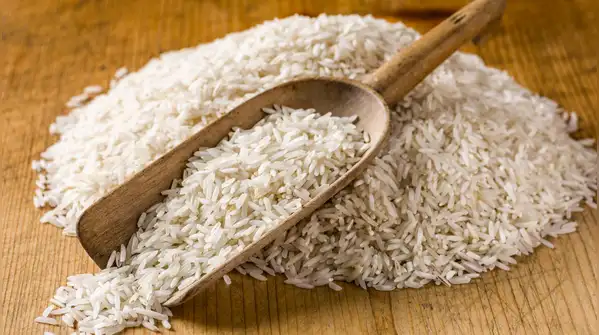
Shelf life: 30+ years White rice can have a very long storage life when kept in airtight, food-safe packaging in a cool, dry and dark place. Dr Shah lists 30+ years for properly stored white rice. Shelf life: up to 25 years Dry pasta is compact, easy to store and can be combined with several other pantry ingredients. Dr Shah lists up to 25 years for properly stored pasta. Dr Shah lists a general range of 12 months to five years, depending on the product and storage conditions.
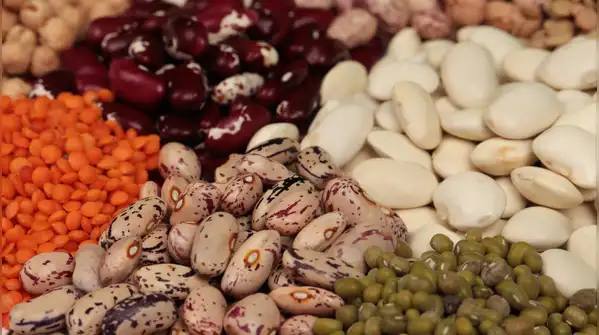
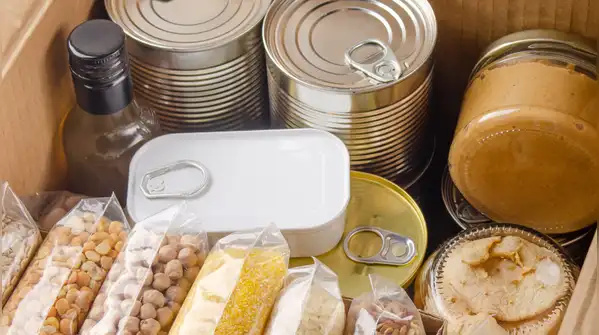
Because they require little preparation and do not need refrigeration while unopened, shelf life: 1 to 5 years Canned fruits and vegetables can be convenient emergency foods. Longevity expert Dr Darshan Shah, who shares nutrition and health information on Instagram through @nutrition.protocols , recently shared a list of foods that can be considered for long-term emergency storage. His list includes rice, dried beans, pasta, wheat berries, oats, powdered milk and canned foods. However, these time frames are not expiry dates. How long food lasts depends on its packaging, temperature, moisture, oxygen exposure and storage conditions. For ordinary household storage, however, rice should be rotated regularly rather than treated as a decades-long supply. Once opened, exposure to humidity and pests can shorten its storage life considerably. The condition of the can is important. Food-safety guidance advises against eating cans that are swollen, leaking or severely damaged. The food itself is only part of the equation. For dry foods, moisture, heat, oxygen and pests are among the biggest threats to quality. Airtight, food-grade containers and a cool, dry, dark storage area can help extend shelf life. The US National Center for Home Food Preservation recommends storing dried foods in clean, dry and insect-proof containers. Utah State University Extension also recommends appropriate airtight packaging for long-term storage of foods such as white rice. For most households, the simplest approach is to store foods the family already eats, label them with purchase dates and rotate the stock regularly. And an emergency pantry should not be limited to food. Drinking water, salt and a way to cook without electricity or gas are also important. Note: The long-term figures above are general storage estimates shared by Dr Shah and should not be treated as guaranteed shelf lives. Actual storage life varies with the food, packaging and conditions.