

A 2026 study of young people aged 18 to 24 found that films, music, photographs, fashion and other representations can make an unfamiliar era feel familiar and emotionally meaningful
A 2026 study of young people aged 18 to 24 found that films, music, photographs, fashion and other representations can make an unfamiliar era feel familiar and emotionally meaningful.
City-based architect and millennial Ravi Teja said he had created an imaginary 80s look and posted it on social media. For me, I lived that era through my father,” he said. They bring their original photographs from the 1980s to show me what they want,” he said.
Researchers call it historical nostalgia — an emotional attachment to a past outside one’s own memories. “I have very fond memories of those days through my father, who was fond of Michael Jackson . My father was a photographer and his pictures were very clear, even though there were no HD images then. “Many of my patients come with a specific request — they want a hairline similar to what they had when they were younger, with the thick look they had in their youth.
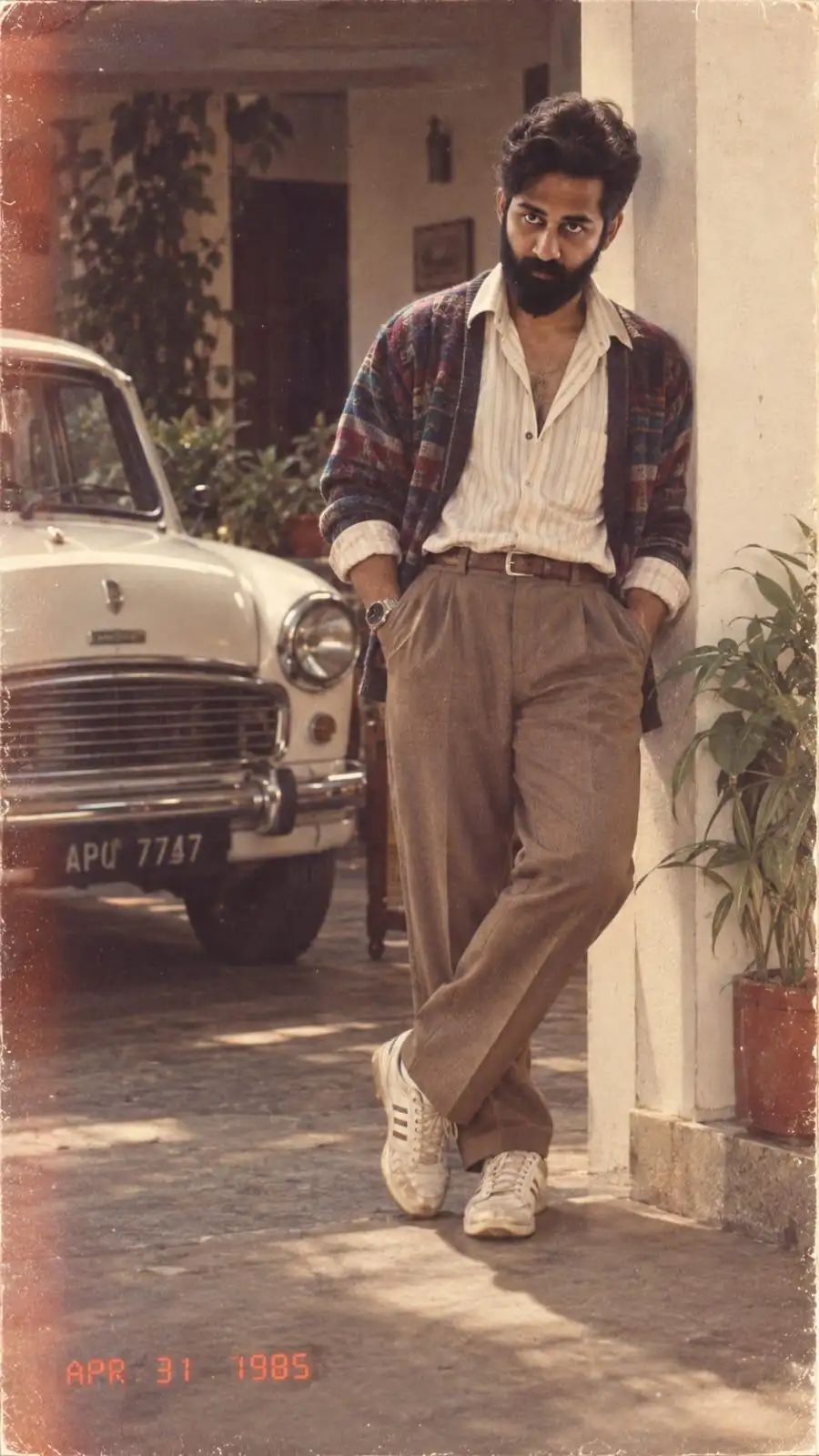
A review of 68 studies found people tend to recall a disproportionate number of personal memories from roughly ages 10 to 30. The pull may also be linked to the reminiscence bump. For those who were teenagers or young adults in the 1980s, these years often included friendships, college, first jobs, romance, music and family milestones. An old photograph, hairstyle, cassette player or familiar song can trigger a wider network of memories and reconnect people with a younger version of themselves.
So when a young person posts an AI-generated 80s portrait or shares a retro song, it may not be about remembering a lost past.
People tend to romanticise that period, and younger generations may also want to experience that feeling, which is completely different from their own reality,” said Dr Gautami Nagabhirava, consultant psychiatrist affiliated with Kamineni Hospitals. It may be about creating a connection with a past they never lived, Dr Gautami said.
“There is a notion, and it is mostly true, that the 80s and earlier era, without mobile phones and social media, was much simpler.