PC: The Conservation Fund
In July 2026, Virginia lawmakers approved the acquisition of more than 1,200 acres at Oak Hill, clearing the way for the property to become the state’s newest state park, according to The Conservation Fund. John McAuliff, who represents parts of Fauquier and Loudoun counties, introduced House Bill 500 during Virginia’s 2026 legislative session with the goal of securing the property for public ownership. Reportedly, the bill passed the House unanimously, 98-0. It was later carried forward into the 2027 legislative session, but the process changed when Gov. More than 10,000 people supported the acquisition through petitions, letters and personal donations, according to The Conservation Fund.
As reported by America’s State Parks, Del.
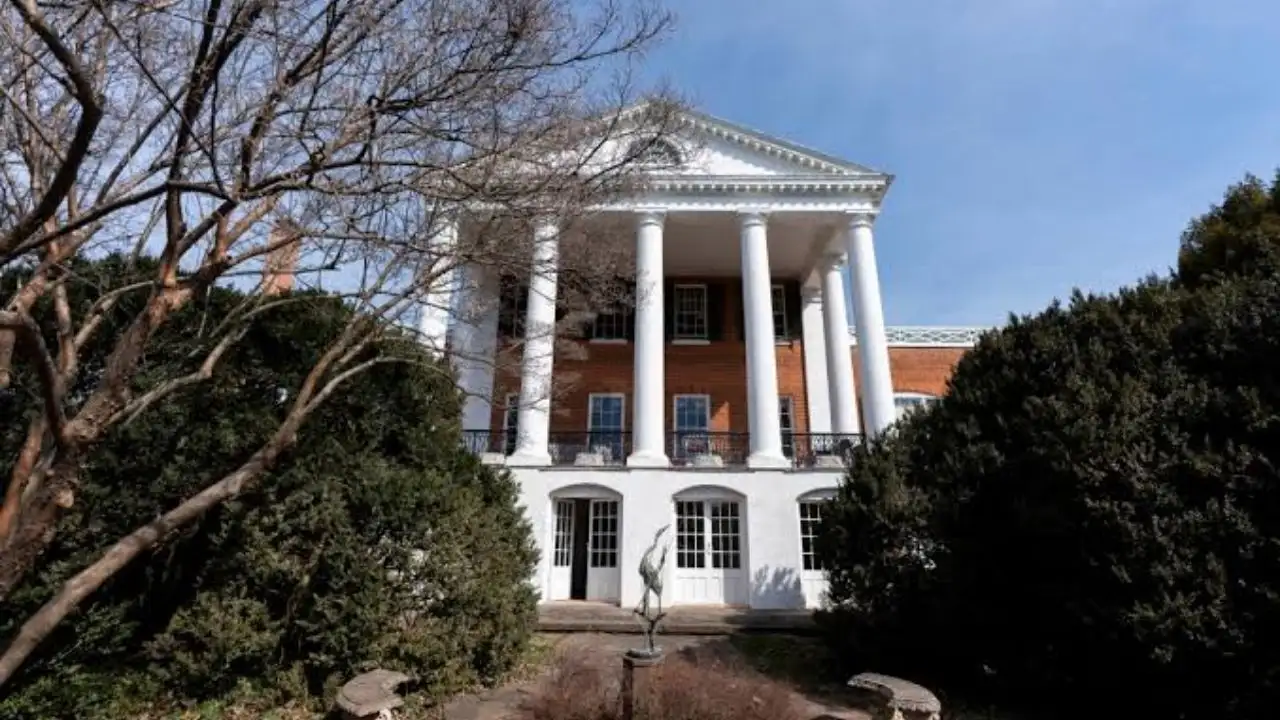
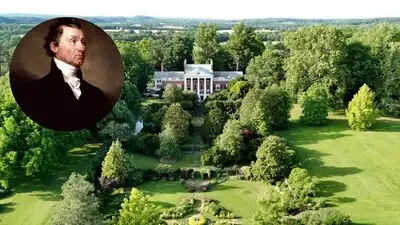
Heather Richards, the fund’s Mid-Atlantic vice president, said the level of public involvement was unusually strong for one of the organisation’s preservation projects. For years, Oak Hill Farm sat in southern Loudoun County as a privately held piece of Virginia history, its fields and woodland surrounding the former home of President James Monroe. The estate is now set for a different future. The decision follows years of efforts by lawmakers, conservation groups and local residents to protect the land. It also places Monroe’s former home within a larger public landscape that carries stories reaching beyond the fifth US president, including those of enslaved people and Indigenous communities connected to the area. Oak Hill lies near Aldie, south of Leesburg, between James Monroe Highway, Little River Turnpike and Tail Race Road. The property contains farmland, forest and the house associated with Monroe, making it one of the remaining privately owned properties tied directly to a US founding-era president. The move towards state park status did not happen in a single legislative session. Abigail Spanberger included the Oak Hill acquisition in a budget amendment. The Virginia legislature voted to accept that amendment in July, completing the state’s approval of the purchase. The campaign to preserve Oak Hill attracted support from well beyond the politicians directly involved. That response helped demonstrate local and wider interest in keeping the property intact and securing public access.