
PC: Cambridge University Press
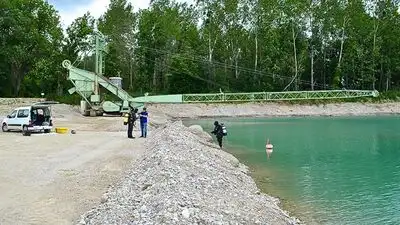
Archaeologists have identified at least 500 forged iron bars recovered from the Danube in Upper Austria as the largest known assemblage of Iron Age iron in Europe. The discovery was made in 2019 during gravel extraction at Deinham, when workers found double-pointed iron objects in material taken from beneath the river’s water level. According to a research article published by Cambridge University Press titled ‘ A sunken ship cargo of 500 bipyramidal bars?
Implications for La Tène period iron production and trade along the Danube ’, states that radiocarbon dating of three bars places the assemblage in the Late Iron Age, with dates falling between the fourth and first centuries BC.
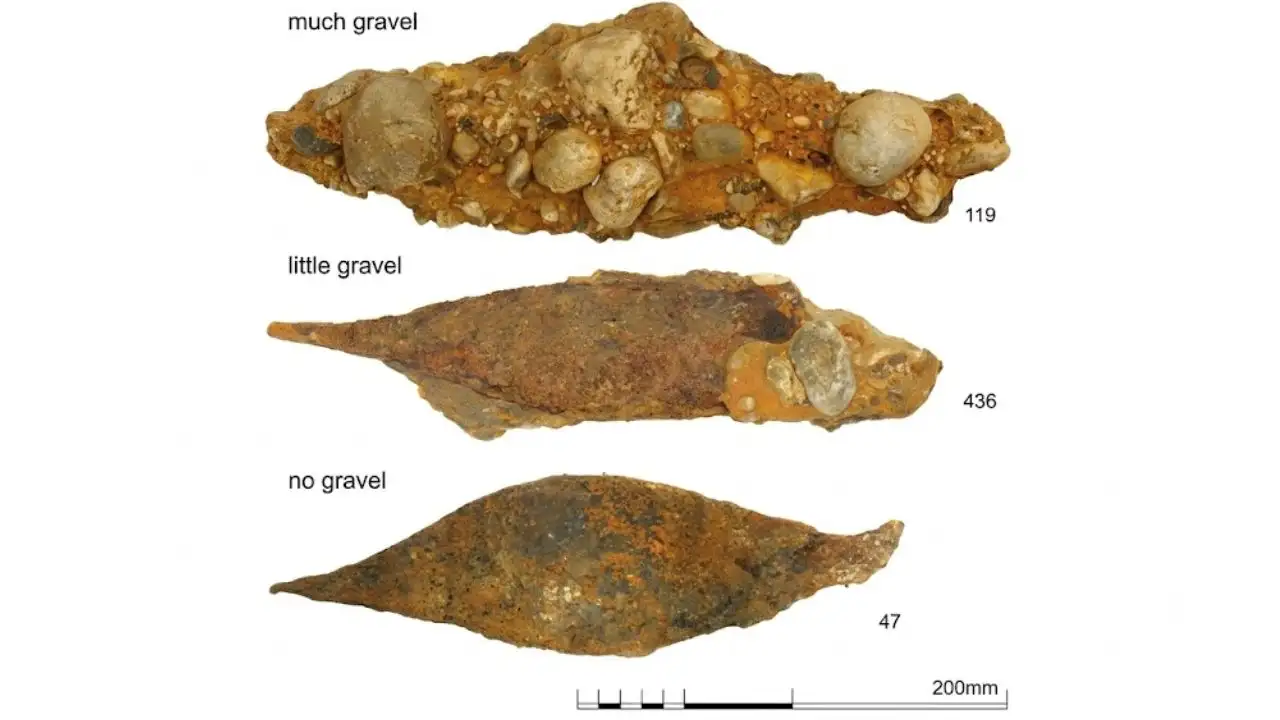
The Deinham assemblage has an estimated total weight of 1,035kg, making it the largest known assemblage of Iron Age iron bars in Europe. They estimate that one tonne of iron could have produced about 500 swords, allowing for manufacturing losses, or around 8,000 nails. Similar iron-bar finds from Central European rivers are generally interpreted as cargo lost during transport or in shipwrecks.
Researchers radiocarbon-dated samples from three bars, producing two probability peaks. One falls in the second half of the fourth century BC, while the other extends from the end of the third century into the second century BC. The later date range is consistent with archaeological evidence from comparable BLD6 bars. The location of the finding provides clues about how the iron bars may have been transported. The bars were recovered from silted-up channels along the right bank of the Danube, near the entrance to the Eferding Basin. The researchers do not completely rule out deliberate deposition, but note that the uniform composition of the Deinham assemblage differs from more varied ritual deposits found in rivers. No remains of a boat were found with the bars, as the original archaeological context was disturbed during gravel extraction. The study considers river transport the most likely explanation and notes that Late Iron Age logboats could carry more than one tonne of cargo. The researchers say its combined weight provides evidence of the scale of iron production during the third and second centuries BC. The researchers also indicate that the cargo may have originated further upstream, with the Manching, Kelheim and Upper Palatinate region considered the most plausible production area.
The Deinham bars date to a later period than earlier examples of bipyramidal iron products.