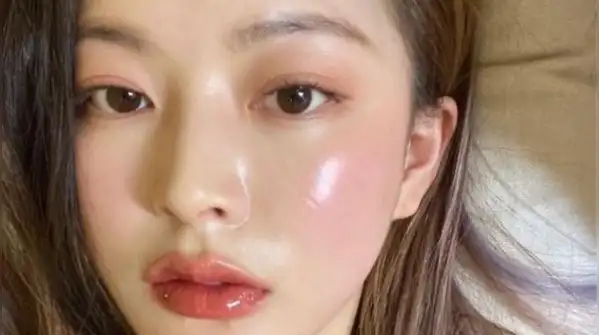
But the race to fit in, to achieve what’s being promoted and advertised as the “perfect look,” is often blindsiding. The “glass-skin trend” is one such trend. Every new trend comes with a warning. We fail to look at the other side of the coin. The aspiration is to achieve skin that shimmers, spotless, dewy, and reflective. Social media is buzzing with routines that promise a perfect and luminous finish. But amid the serums, exfoliators, masks, and active ingredients, one question remains unanswered: are we truly caring for our skin, or are we just trying to make it look perfect? Shabnum Khan, Founder at 750AD Healthcare Pvt. Ltd, shares insights.

Because the skin does not look smooth enough, an exfoliator is added. Because there is pigmentation, another active ingredient is introduced.
It becomes concerning when the “look” becomes an endless process of adding more. The objective behind having glass skin is to look deeply hydrated, even-toned, and almost poreless. As if the skin were made up of smooth and shiny glass. To achieve this goal, an elaborate routine is followed. Some steps of the routine are, of course, beneficial. Keeping the skin moisturized and protecting it from the ultraviolet rays of the sun are basic steps that support skin health. Biologically, pigmentation is a natural process, and trying to prevent it can cause adverse effects on the skin. To add to this, a new serum is added that comes with a promise of glowing skin. Often, a face mask for the night is also added. Over time, this can place unnecessary stress on the skin.
The average face size is 7.5 cm. Therefore, following simple skin routines, opting for natural products with lesser ingredient lists, adequate hydration, a good protein-rich diet, and good sleep are key to achieving balanced and healthy skin. Therefore, it’s best to use products that are natural, made with ingredients grown in the shared habitat of the ancestral roots.
These “imperfections” that people resent so much are also signals that signify what the body needs. “The idea of glass skin often entices us, but healthy skin does not have to be poreless and exceptionally smooth. The real test of healthy skin is a balanced skin barrier. When you layer your skin with too many products or exfoliate it too often to achieve a particular look, its quality deteriorates. You will see signs like itching, irritation, sensitivity, and breakouts after applying some of the glass-skin-perfecting products. Skincare should not be so complex. This is where the pursuit of glass skin can become counterproductive. A routine designed to make the skin smoother may, if overdone, lead to more damage. One analysis of the glass-skin trend has argued that repeated exfoliation and harsh cleansing can affect the skin barrier and cause dehydration. However, these claims should be understood carefully, as not every glass-skin routine is the same and individual skin can respond differently. It often begins with moisturiser. Then, the markets and trends nudge the consumer to buy another type of moisturiser, which is gel-based or water-based. Adding to that comes an endless list of night creams, masks and serums. Putting products one after another on such a limited surface area accumulates an unbreakable layer of chemicals on the face. And the users become bereft of the most important ingredient, which is oxygen. Certain ingredients in these products can be extremely harsh for the texture of skin. Everyone’s skin is different. What works beautifully for one person may leave another person’s skin with acne or redness. The skin does not have to look like glass to be healthy. Healthy skin need not look poreless or reflect light perfectly. Real skin has pores and texture. It’s sometimes oily; it becomes drier in winter. There can be occasional breakouts. Perhaps a better question to ask is “How does my skin feel? “Does it react every time you introduce something new in your skincare regimen? “Is my skin hydrated? These questions may convey more about the skin than a photograph on social media ever can. The answer is not to stop caring about the skin. It is to stop treating perfection as the definition of healthy skin.
There is another myth that has entered the skincare industry today: the idea that skincare works through addition.