
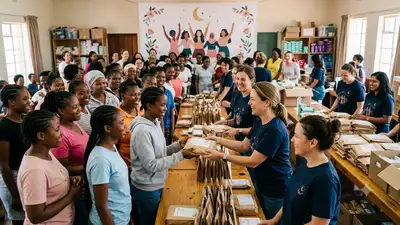
In Hendersonville, Barbara Morgan began responding to that problem in 2017 by collecting menstrual supplies for people who could not afford them, according to Deerfield Charitable Foundation. What started as a small local effort has since developed into Project Dignity, a nonprofit whose volunteers now help nearly 1,900 women and girls each month. For many women, buying pads or tampons is an ordinary part of the monthly shop. For someone already struggling to pay for food, rent or other essentials, the same purchase can become a difficult calculation. Across Western North Carolina, that gap has left some women and girls without reliable access to menstrual products. The consequences can reach into school, work and everyday routines.
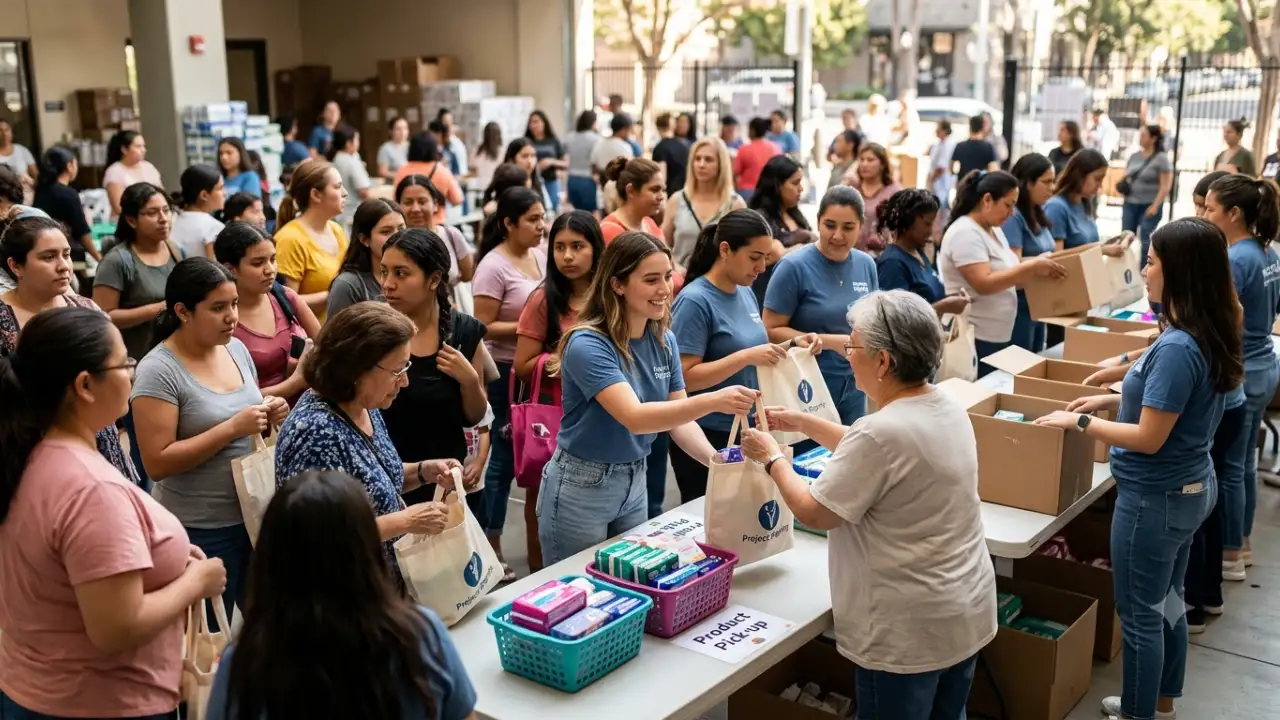
The session was scheduled for August 8 2025, at 10am in the Blue Ridge Room. Students are among the people supported through Project Dignity’s work. Menstrual products can be a small part of a school’s supplies, but not having them when they are needed can interfere with a student’s ability to remain in class. Project Dignity’s reach includes women who may not have any connection to a school-based programme. Social service agencies provide another route for distributing the monthly supplies, allowing the organisation to reach adults as well as younger people. The project identifies period poverty as affecting people who cannot consistently afford menstrual products. In households where money is being divided between food and other necessities, pads and tampons can become an expense that is pushed aside. That can have practical effects. Without adequate supplies, some women and girls may miss school or work, while others may experience discomfort or health concerns. The problem is not limited to the cost of one packet of products. It recurs every month. Volunteers were asked to assemble feminine hygiene kits intended to help students begin the school year with the supplies they needed. The products are gathered, turned into kits and prepared for distribution through Project Dignity’s existing network. For an organisation serving thousands of people over the course of a year, those individual volunteer sessions become part of a much larger chain of work.