
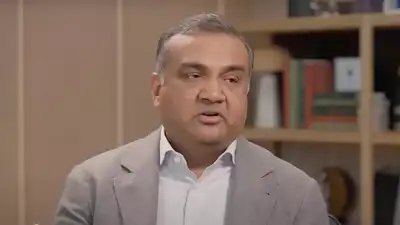
Mohan made his comments during a meeting with reporters at YouTube’s annual Made on YouTube event, where the company announced new features for creators and viewers, including AI tools and messaging capabilities.
He also said YouTube works with third-party experts on child safety. The YouTube CEO pointed to measures already available on the platform, including parental controls that allow parents to limit how much time teenagers spend watching Shorts.
Under Meta’s structure, part of the settlement depends on YouTube and TikTok agreeing to comparable measures and making their own payments. Meta agreed to pay approximately $18 billion under the agreement, with the company saying around 70% of the amount is guaranteed while the remaining 30% depends on YouTube and TikTok adopting specified measures and making matching payments.
His comments come after Meta agreed to a multistate deal worth up to $18 billion that calls for new restrictions on how teenagers use Facebook and Instagram, while also pushing rivals such as YouTube and TikTok to adopt similar protections. Mohan has said “no” to YouTube joining the agreement, arguing that the company has already spent years working on child safety. In a statement to CNN, he said, “We have invested in making sure that young people are safe on our platform… for a very long time. Meta has also said an independent auditor will review its compliance with the agreement, while an independent research foundation will study teen wellbeing. The settlement followed claims by multiple states that Meta designed its platforms in ways that encouraged addictive use and contributed to mental health problems among young users. Meta has not admitted wrongdoing as part of the agreement. “We’re a very different platform (from Meta), too,” he said, adding that YouTube is also focusing on users watching content on television screens. Meta’s Chief Legal Officer CJ Mahoney has argued that an industry-wide approach is needed because teenagers use multiple platforms. In March, both companies were found liable in a Los Angeles trial involving claims that their platforms contributed to the addiction and mental health problems of a young woman. Both companies have said they plan to appeal.
YouTube CEO Neal Mohan has rejected joining Meta’s multistate child safety settlement. He clarified that the Google-owned video platform already has measures in place to protect young users. What you should expect from YouTube is continuing to focus on those things.” The comments put YouTube at odds with Meta’s push for an industry-wide approach to child safety. Meta’s agreement with state attorneys general includes measures such as time limits, nighttime restrictions and age-assurance requirements. Meta has described the arrangement as a way to create more consistent protections for teenagers across the platforms they use. The proposed measures include a one-hour daily limit, Night Mode and age-assurance measures for teen users if the conditions for the additional settlement amount are met. YouTube has also settled another lawsuit brought by a teenager, while TikTok and Snap have reached similar settlements. Hundreds of other cases involving individuals, families and school districts remain pending. You use AI every day. Now get your AI Quotient. Take the AIQ test.
Meta has publicly called on both YouTube and TikTok to adopt its framework. TikTok has not publicly responded to the calls to join the agreement, while California Attorney General Rob Bonta has previously indicated that states could pursue legal action against YouTube and TikTok if they do not agree to similar measures. YouTube and Meta are also facing separate legal challenges over alleged harms to young users.