
The Strait of Hormuz has emerged as a central bargaining point in efforts to end the conflict
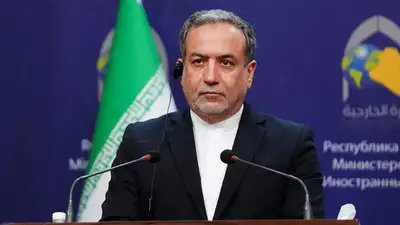
Iranian Foreign Minister Seyed Abbas Araghchi said the proposal had been conveyed to Washington through intermediaries and was similar to a memorandum of understanding reached by the two sides in June. A White House official, however, said Trump remained open to talks only “under the right circumstances”, while arguing that Washington was in a strong negotiating position because of the pressure on Iran’s economy and the situation around Hormuz. Under the proposal, Iran would reopen the strategic waterway and the US and Iran would restart comprehensive negotiations over Tehran’s nuclear programme.
Trump has said he believes a deal could potentially be reached after the November 3 US midterm elections.
“We have introduced a plan to the United States through the intermediators that if certain conditions are met, the Strait of Hormuz would be open on the end of the seventh day and talks would restart…it would be better, if a deal was reached before the U.S. midterm elections,” Araghchi told reporters at the United Nations General Assembly, according to the report. US President Donald Trump has threatened to “annihilate” Iran if no agreement is reached, while also indicating that a deal could be possible. A senior Iranian official said a possible arrangement could begin with an end to the US blockade and the reopening of Hormuz, followed potentially by access to frozen Iranian assets. The sources said the main difficulty was that neither side wanted to surrender its leverage first.
The proposal comes as both sides remain publicly committed to diplomacy but sharply divided over the terms of any settlement.
The negotiations also face the challenge of ensuring that any agreement is durable enough to prevent a repeat of an earlier understanding that collapsed in July.