
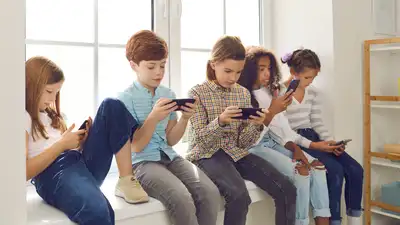
Too much screen time, too little outdoor play: Doctors explain the eye-health risks Gen Alpha children may face
There is a small scene now common in many homes. A child is eating slowly, the parent is getting late, and a phone appears on the table. The meal is finished. The house becomes quieter. Everyone moves on.
22 Sept 2026 | 15:04 This is the screen world Gen Alpha is growing up in.
The trouble starts when the same phone appears during breakfast, in the car, after school, before sleep and every time the child says, “I am bored. Once in a while, this is harmless. For them, a touch screen is not new technology. It is part of childhood. School updates come on apps. Homework may involve videos. Grandparents are on video calls. Games, cartoons, songs and learning activities are all one tap away. Parents should not be blamed for this. Screens are useful. They help children learn, connect and stay occupied when adults are managing busy lives. But children’s eyes still need the same old basics: rest, distance, daylight and movement. Eye strain in children often looks different from adult complaints. A child may not say, “My vision is blurry. Instead, they rub their eyes, blink again and again, sit too close to the television, hold the tablet near the nose, complain of a headache or become cranky after screen time. Some avoid reading. Some lose focus during homework. Some squint at the classroom board and think that is normal. These signs deserve attention. When a child watches a screen for long, the eyes stay fixed at a short distance. The focusing muscles keep working. Small text, fast videos and bright colours add more load. Children also blink less when they are absorbed in a game or cartoon. The eye surface then dries faster, leading to burning, watering or repeated rubbing. Posture makes things worse. Many children watch videos lying on the bed, bending over a phone or holding a tablet in the lap. The head drops, the neck tightens and the eyes work from an uncomfortable angle. By evening, the child may look tired, restless or irritable, while the real problem began with too much close screen use. The solution is not a dramatic screen ban. That rarely works and is not realistic anymore. The better answer is routine. Keep the device away from the face. Make the child sit upright while using it. Avoid screens in a dark room. Increase font size when reading. Stop screen use during meals. Keep screens out of the last stretch before bedtime. After every short spell of screen use, ask the child to look across the room, out of a window or at something far away. The eyes need that change of distance. Outdoor play matters more than many families realise. Running, cycling, playing with a ball or simply looking across a park gives the eyes a break from near work. Sunlight, open spaces and movement are not old-fashioned extras. They are part of healthy childhood.
Because they have nothing to compare it with, children may not know their vision is weak. Parents also have to check their own habits. Children learn screen behaviour by watching adults. A child who sees everyone scrolling through dinner will naturally treat the phone like another family member. Rules work better when the home follows them together, even if not perfectly. Regular eye check-ups should not wait for a strong complaint. An examination can pick up spectacle power, lazy eye, dry eye or focusing problems early. Gen Alpha will not grow up away from screens. The goal is balance. Let technology help them learn, but do not let it quietly replace sleep, play, sunlight and the simple comfort of rested eyes. (Dr Lubna Maroof, Senior Consultant, Sharp Sight Eye Hospitals) You use AI every day. Now get your AI Quotient. Take the AIQ test Get the latest Lifestyle News and more. Download the TOI app.