
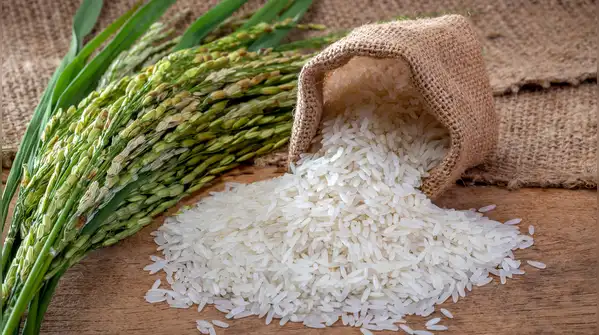
Rice is often imagined as a neat mound of fluffy white grains, but across Asia and beyond, rice comes in colours and shapes that can make the everyday staple look almost unrecognisable. Some varieties are naturally deep purple or black, others have a warm red hue, while a few are long, slender or unusually aromatic. Here are seven varieties of rice that are a striking departure from ordinary white rice.
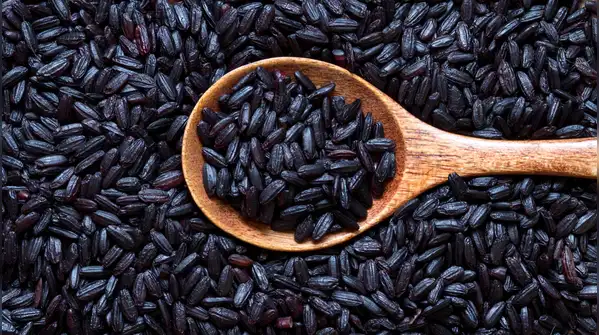
Historically, certain black rice varieties were associated with China and were sometimes referred to as “forbidden rice”, although the story behind that name is more complicated than the popular legend suggests. Black rice gets its dramatic colour from anthocyanins, the same group of pigments responsible for the deep colours found in foods such as blueberries and purple cabbage. The grains can appear almost jet black when raw, but often turn a deep purple after cooking.
Today, black rice is grown in several countries and is used in everything from savoury rice bowls to desserts.
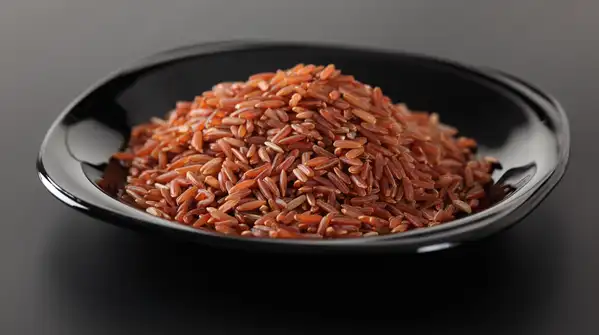
Despite the name, “glutinous” does not mean it contains gluten. Purple rice takes the colour story even further. Some varieties have grains that look dark purple or almost black before cooking and develop a striking violet shade once prepared. Purple and black sticky rice varieties are especially associated with Southeast Asian cuisines, where they can appear in sweet dishes as well as savoury preparations. Their unusual colour also makes them a popular choice when cooks want a rice dish to stand out visually. Wild rice can look almost nothing like the rice served at a typical Indian lunch. Its grains are long, narrow and dark, with a slightly curved appearance. There is an important botanical twist: wild rice is not technically the same plant as Asian rice. It belongs to the genus Zizania and is native to North America, where several species have traditionally been harvested as food. Its firm texture and earthy flavour make it especially distinctive in salads, soups and grain-based dishes. Black glutinous rice has dark grains that become wonderfully sticky when cooked. The term refers to its sticky texture, which comes from its starch composition. It is widely used in parts of Southeast Asia, particularly in desserts. One familiar preparation pairs cooked black sticky rice with coconut milk, creating a dish that is both visually striking and naturally sweet.