The arrival of a baby is celebrated differently around the world, but food almost always finds a place in the ritual. In many cultures, dishes prepared after childbirth are not simply festive meals. They can carry wishes for health, mark the mother’s recovery, welcome relatives or introduce the newborn to the wider family. From warm soups and sweet rice to celebratory desserts, these are some of the foods traditionally associated with welcoming a new baby.
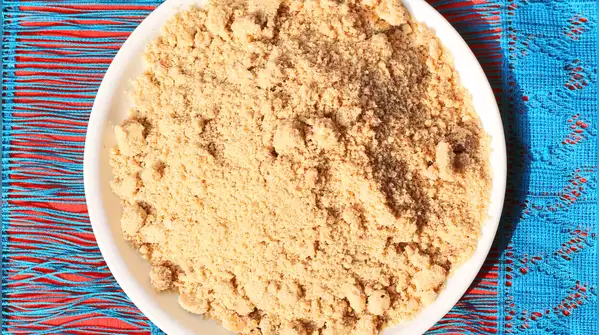
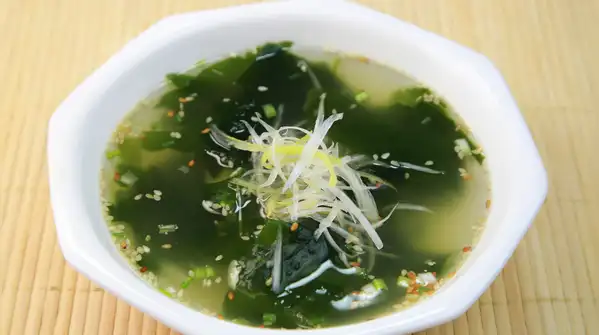
Rather than being one particular recipe, aqiqah is therefore a food-centred tradition built around sharing a meal and giving to others. In many North Indian households, the arrival of a baby is associated with panjiri, a crumbly preparation traditionally made with ingredients such as wheat flour, ghee, sugar, nuts and edible gum. It is particularly associated with the postpartum period and is often prepared for the new mother rather than being a dish served at a formal naming ceremony. Recipes vary widely between families, with some versions including gond, dried fruits, seeds and spices. The preparation is traditionally regarded as nourishing and warming, although modern nutritional needs can vary from person to person. In South Korea, miyeok-guk, or seaweed soup, has a particularly strong connection with childbirth. Traditionally, new mothers are given the soup after giving birth, and its association with motherhood has become so strong that Koreans also eat miyeok-guk on birthdays as a way of remembering their mothers. The soup is generally made with seaweed and beef, seafood or other ingredients, depending on the recipe. It is a familiar everyday food in Korea, but its connection with birth gives it a deeper cultural meaning. Eggs are given a striking makeover in some Chinese birth celebrations. Red-dyed eggs are traditionally associated with celebrations marking a baby’s arrival, particularly the red egg and ginger party, often held when a baby reaches one month of age. Eggs represent fertility and new life, while red is traditionally associated with happiness, good fortune and celebration in Chinese culture. The eggs may be distributed to relatives and friends as part of the festivities, turning a simple food into a symbolic announcement of the family’s new arrival. In many Muslim communities, the birth of a child is marked by aqiqah, a religious tradition involving the sacrifice of an animal and distribution of its meat. The details and customs vary between communities, but the meat is commonly cooked and shared with family, friends and people in need. The occasion can coincide with other celebrations surrounding the baby’s naming. In Thailand, khao tom, a comforting rice porridge, is eaten in many contexts and can also appear in food traditions surrounding childbirth. Made by simmering rice with water or stock, it can be prepared with pork, shrimp, fish or other ingredients. Its soft texture makes it a familiar comfort food, while variations in different households reflect local tastes. It is a good example of how food connected with important life events does not always need to be elaborate. Sometimes a simple, warm bowl carries the meaning. Across West Africa, the birth of a child is often followed by naming ceremonies and gatherings where food plays an important role. The exact dishes vary enormously by country, ethnic group and family. Rice dishes, stews, fried foods and sweets can all appear at these gatherings, with large communal meals allowing relatives and neighbours to share in the celebration. In Ghana, for example, naming ceremonies traditionally bring family and community members together, with food forming an important part of the hospitality surrounding the event.