When people see patches, acne marks, scars, or changes in their skin, the first thing they often do is look for a cream or treatment that works for someone else. Two skin concerns can look very similar and still have completely different causes. That is why it’s important to understand what is actually happening to the skin before choosing a treatment.
What should you do before choosing a treatment?
Because of hormonal changes like melasma, pigmentation can show up after acne from inflammation, from too much sun, or. Because they affect the structure of the skin, acne scars are different. Because of how the skin heals after acne and how much collagen’s made during healing, these happen. Because the treatments can be very different, this difference matters. Because uV exposure can worsen dark spots and make acne marks more noticeable, sunscreen is also a part of managing pigmentation.
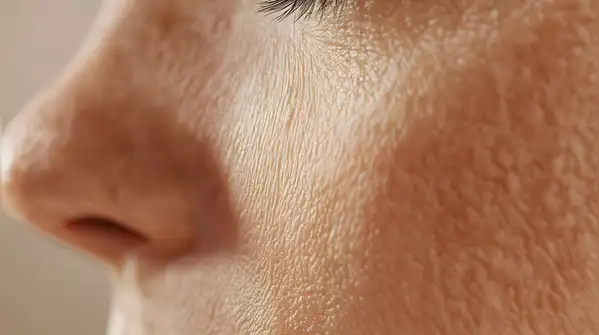
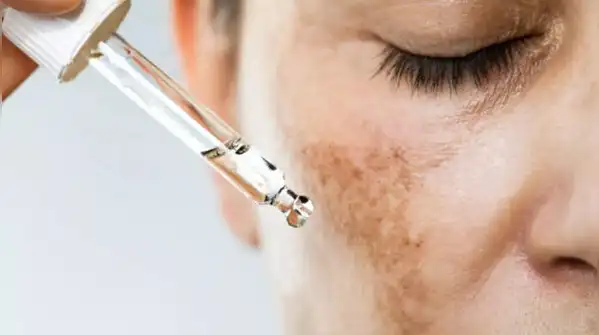
“Here are five questions I would ask before picking the treatment approach,” says Dr. Poonam Saini, Consultant Dermatologist, Kailash Hospital, Dehradun. The first thing to pay attention to is whether the issue is mainly a change in colour or a change in the texture of the skin. If you are noticing patches or areas that have gotten darker, it could be pigmentation. This happens when the skin makes more melanin, which is the pigment that gives skin its colour. They can look like pits, dents, or raised areas. A dark spot that shows up after a pimple goes away doesn’t always mean you have an acne scar. It might be post-inflammatory hyperpigmentation, where the skin gets darker after inflammation. A simple way to tell the difference is to feel the area. If it’s flat and you’re seeing a colour change, it’s likely a pigmentation problem. If you can feel a dip or a bump when you run your finger over it, it could be an acne scar. Dark spots may get better with topical creams and strong sun protection. Deeper scars might need procedures like laser treatments or microneedling. Ageing can bring visible changes to the skin, including fine lines, changes in texture, uneven skin tone, and sun-related pigmentation. Acne scars, however, are mainly changes caused by previous inflammation and damage to the skin. For this reason,n a cream may not be enough to improve acne scars. Depending on the type, depth, and appearance of the scar, a dermatologist may consider treatments such as microneedling, chemical peels, laser treatment, subcision, or fillers. The important point is that not every scar needs a procedure. Treatment needs to be selected after examining the skin rather than simply choosing the procedure that is currently popular. Sun exposure is one of the triggers for pigmentation. It can make existing spots worse. Cause new ones to form. Hormonal changes can also lead to melasma, which usually shows up as brown patches on the cheeks, forehead, or upper lip. If pigmentation keeps coming even after treatment, it’s important to look at what might be causing it, not just focus on making the spots lighter. For example, if you keep getting sun exposure, the pigmentation may become more visible. That’s why managing the cause, like avoiding sun or treating imbalances. Is often just as important as treating the marks themselves. Protecting your skin and understanding what starts the problem can make a difference in the long run. I would always recommend getting the skin properly assessed before starting a procedure, particularly if you are unsure whether you are dealing with pigmentation, acne marks, scars, or age-related changes. A dermatologist can look at the type of concern, your skin type, and its severity before suggesting a treatment. It is equally important not to pick or squeeze acne. Doing so can increase inflammation. Raise the risk of developing persistent marks or scars. The main thing to remember is that not every dark mark is a scar and not every change in the skin is simply a sign of ageing. The right treatment starts with understanding what is actually happening in your skin. If a patch changes in appearance, has colours persists despite appropriate care, or you are unsure about what you are seeing, it is better to have it examined by a dermatologist rather than repeatedly trying new products or procedures on your own. This is especially important before treatments,s as irritation from aggressive procedures can sometimes worsen pigmentation, particularly when the skin is already sensitive or inflamed.