
US rejects Iran’s Hormuz offer over demand for sanctions relief, frozen funds
US Ambassador to the United Nations Mike Waltz said on Sunday that Washington rejected Iran’s proposal to reopen the Strait of Hormuz because Tehran sought sanctions relief and access to “billions in frozen assets” before talks on its nuclear programme. “They were asking for everything up front, with a promise that they would then talk,” Waltz said on CNN’s “State of the Union” when asked what US President Donald Trump objected to. He said the US would ultimately need to reach “some type of agreement” with Iran, while stressing that Trump would keep all “options on the table”. “I am surprised that the ambassador is talking about a seven-day plan, as he has not read it,” Araghchi said. However, Araghchi has also said Iran remained open to diplomacy while warning that Tehran was prepared for renewed hostilities. It is up to President Trump to choose,” he said.
In a separate interview with NBC, Waltz called Iran’s proposal “a pretty cynical attempt to put something on the table that they knew was unacceptable. Iranian Foreign Minister Seyyed Abbas Araghchi later disputed Waltz’s account of the proposal. “Maybe he has not been given a copy. “We are fully prepared for the war to be resumed. We stand firm in the face of any new aggression, even if it comes to a doomsday war. We don’t care about U.S. midterm elections. We care about our national interests. At the same time, we stand ready for diplomacy.
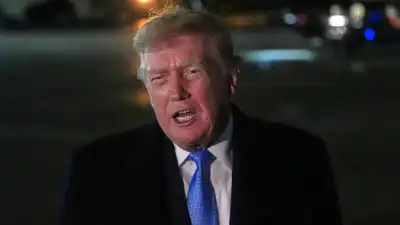
US President Donald Trump has rejected Iran’s seven-day ceasefire proposal and told aides he expects US bombing of Iran to resume after the November midterm elections, according to US officials cited by The Washington Post.