
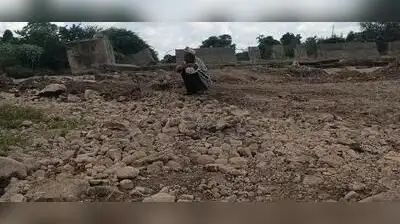
A farm worker looks at the dry Banganga river in Bhum tehsil of Dharashiv
Farmer Vasant Dhage, 77, from Chinchpur watched the roiling water ravage his three acres of standing crop. Many fields suffered the same way and the village was cut off for nearly 24 hours. Maharashtra govt announced a Rs 31,628-crore relief package for farmers affected by excessive rainfall and flooding, including the severely affected Marathwada region. It included Rs 18,500 per hectare for dryland crops, Rs 27,000 per hectare for seasonally irrigated crops and Rs 32,500 per hectare for fully irrigated crops. “The assistance to affected farmers was close to Rs 1,000 crore across the district. A dry 50-day spell this year has depleted water sources, forcing farmers to alter their cultivation schedules to protect their remaining crops. Pramod Kapse, a farmer and activist from Kapsewadi village in Madha tehsil, is concerned about his 40-acre vineyard. We expect a 40% reduction in the harvest,” Kapse said. Balaji Raut, another grape grower, who has 20 acres in Madha tehsil, said farmers were increasingly dependent on water from Ujani dam.
Because there is no water,” he said, there is no hope for the rabi season. Because there was water to cultivate rabi crops, last year, I stayed back. You Can Also Check: Gold Rate in Pune | Silver Rate in Pune | Bank Holidays in Pune | Public Holidays in Pune | Petrol Price in Pune | Diesel Price in Pune | CNG Price in Pune | LPG Price in Pune Stay updated with the latest Pune news.
Another farmer, Bapu Mane, said he will leave his village. This year, there is nothing left to do here,” he said. We cannot afford to suffer losses for another consecutive season,” Vasant Dhage said. Dharashiv district collector Keerthi Pujar said the administration had extended financial assistance to flood-affected farmers through various government schemes. Our tehsil officials will contact such farmers immediately,” he said. Activist Vishwanath Todkar, who runs an NGO for farmers, said, “The district administration should provide farmers help quickly.
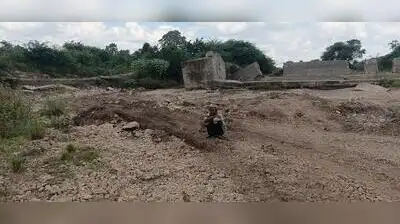
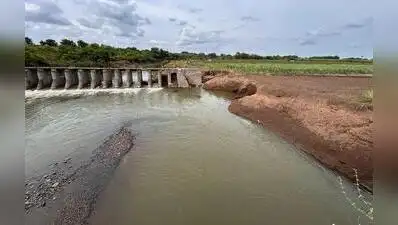
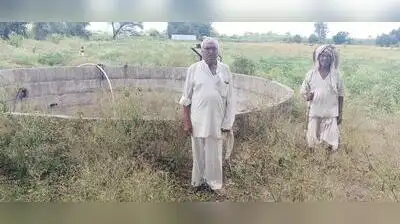
The dry Banganga in Bhum tehsil in Dharashiv Banganga river in spate last Sept Farmer Vasant Dhage stands next to his bone dry well A farm worker looks at the dry Banganga river in Bhum tehsil of Dharashiv The dry Banganga in Bhum tehsil in Dharashiv Banganga river in spate last Sept Farmer Vasant Dhage stands next to his bone dry well A farm worker looks at the dry Banganga river in Bhum tehsil of Dharashiv Chinchpur (Bhum, Dharashiv): Last Sept, the swollen Banganga river changed course overnight, spreading nearly a km wide from her channel on either side of the banks. Dhage hired an excavator to remove tonnes of mud the Banganga had deposited in his same well. His farm’s fertile topsoil was gone, there were deep craters and portions of his land were unsuitable for cultivation. Last week, he stood watching his withered soybean crop. The water in his farm well was at rock bottom, and his hopes of cultivating onions or any other rabi crop were fading fast. The deficient monsoon has done the damage. Hundreds of farmers across Bhum tehsil in Dharashiv district are stunned by the devastating contrast between the two agricultural seasons. “The drought has taken away everything. Mane fears that the village could face a drinking water crisis within a fortnight. “I will migrate to a nearby town to find some work. But Chinchpur and Mhatrewadi farmers claimed that they had not received assistance. “Now we are facing drought. Govt must provide immediate assistance. We will help those who have not received assistance so far. We fear mass migration to towns and cities. Two extreme situations have pushed them towards huge economic losses. Madha and Karmala are among the eight drought-prone tehsils in Solapur district. The raging river submerged grape plantations for more than ten days, bending and uprooting metal supports used in vineyards and damaging the roots of grapevines along riverside villages. “We usually begin pruning in the second week of Oct. However, this year, we will look for an early harvest. If we delay pruning, there may not be sufficient water to sustain the plantation. “Poor rainfall has created a severe water crisis across the tehsil. We will need water from Ujani. Local water bodies have dried up and we expect this season’s harvest to be half our normal production,” Raut added. For grape growers, the current water shortage brings financial uncertainty. Many now face the challenge of maintaining their vineyards until harvesting begins in Jan and Feb. Download the TOI App.
His soybean farm flooded last year, and inadequate rainfall this year has dealt a blow. He added that hundreds of farmers across Dharashiv are waiting for last year’s relief. Solapur grape growers fear another bad year Madha (Solapur): Grape growers in Madha and Karmala tehsils of Solapur district are confronted by another difficult agricultural season now after devastating floods damaged vineyards along the Sina river last year.
“Last year, I spent more than Rs 1 lakh fixing my farm and removing mud from the well. Bhaurao Mane, whose 2.5-acre farm was laid to waste by a local stream last year, spent nearly Rs 30,000 on restoration. “I won’t even get 20% of the harvest.
My soybean crop is in its final stage, but I won’t get even half the expected harvest. Fellow farmer Dattatray Dhage, whose grape plantation was lost to the Banganga’s fury, said he has been making repeated visits to govt offices seeking compensation.
Both seasons have made our situation extremely difficult,” Dhage said. “ I pursued the matter but have not received a single rupee so far,” he claimed. “The talathi said our losses were recorded and we were eligible for financial assistance. This is insensitive,” he said. Residents said pumping water from one of the village’s lakes has been restricted to preserve the stock for drinking. Govt officials conducted a panchnama, but I have not received any assistance so far,” Mane said. How are we to cultivate rabi crops?” he said.
This year, I was planning to cultivate onions. He couldn’t go to his farm for weeks. Govt officials inspected the field and promised immediate assistance. But nothing has come to us even after a year. About 20km from Chinchpur, Mhatrewadi village in Bhum tehsil is equally distressed. Hundreds of farmers suffered extensive damage when floodwaters eroded the fertile topsoil. This year, the village is struggling to conserve water. Farmers fear even that will soon be scarce. “My farm is no longer as fertile as it used to be. I couldn’t afford to add fresh soil. His soybean crop on two acres is almost gone. The two consecutive disasters have wiped out his agricultural income and weakened his ability to invest in another cropping season.
Last year, overflowing streams and water bodies inundated fields.