
Representative image
In 2005, they bought 20 acres beside the river, already believing that the land should remain protected. Over the next 17 years, the couple gradually assembled 655 acres of rich farmland, riparian forest and wildlife habitat. In 2022, they placed the entire property under a permanent conservation easement. The property also supports nearly 500 acres of farmland, protects 1.7 miles of riverfront forest and connects with thousands of additional acres of public and conserved land. Doug and Carolyn Kohrs began visiting the Flathead Valley in 2001. Four years later, in 2005, they purchased a 20-acre parcel along the river. Instead of treating the 20 acres as an isolated retreat, they gradually acquired neighbouring or nearby parcels until the property grew to 655 acres. The Kohrs family pieced together 655 acres of land along the Stillwater River. The property includes almost 500 acres of farmed land, making it both a wildlife refuge and a working agricultural landscape. A smaller parcel may protect a nesting site or feeding area, but a 655-acre landscape can support wider seasonal movements and reduce the risk of habitat fragmentation. The Kohrs property includes intact riparian forest along 1.7 miles of the Stillwater River. By protecting 1.7 miles of riverfront forest, the conservation easement preserves a continuous stretch of habitat rather than a single point on the map. The family has observed almost 100 species of birds on the property. The Kohrs property is adjacent to the 1,557-acre Kuhns Wildlife Management Area. It is also contiguous with another 1,800 acres of public land. Almost 500 acres remain in farm production. The story of the Kohrs Easement began with a 20-acre purchase and a simple feeling that the land should be protected. Over 17 years, Doug and Carolyn expanded the property to 655 acres. In 2022, they placed the entire property under permanent conservation protection.
Because it combined open farmland, forest, water and dramatic mountain surroundings, the landscape along the Stillwater River stood out. Because wildlife rarely depends on one habitat type, the combination is important. A single private conservation decision can therefore have effects beyond the property’s boundaries. Because the grants covered only part of the value of the easement, the family qualified for federal income tax benefits associated with the bargain sale portion of the conservation agreement. Because it contains a river corridor, forests and open farmland next to large public lands, the Kohrs property provides an important link. The property’s conservation value is therefore measured not only by what lives there today but also by the movement and ecological processes it allows to continue. Because one family chose to protect what they loved, the land remains productive, wild and connected.
The family knew the property was valuable to wildlife, but a game camera revealed just how many species were using it.
Carolyn said they knew they wanted to protect the land when they bought it. They also received support from a Liz Claiborne and Art Ortenberg Foundation grant administered through the Heart of the Rockies “Keep It Connected” programme. Laura Katzman of the Flathead Land Trust said growth and development are coming to the area, but protecting special places can help maintain the quality of life in northwest Montana.
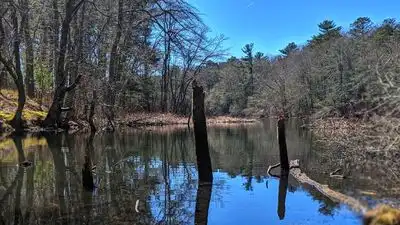
When Doug and Carolyn Kohrs first visited Montana’s Flathead Valley from their home in Minnesota, they were drawn to the landscape along the Stillwater River. The Flathead Land Trust reports that game cameras have documented grizzly bears, black bears, wolves, mountain lions, bobcats, coyotes, foxes, elk and deer using the land. They lived in Minnesota, but repeated trips to Montana changed their relationship with the region. The first property was relatively small compared with what the couple would eventually assemble, but it gave them a foothold in a landscape they already valued. That early intention shaped their decisions over the following years. The process took patience and long-term planning. Land along rivers is often valuable for farming, housing and recreation. Protecting a large, connected property required the couple to think beyond their own ownership and consider what the landscape needed over generations. The farmland is described by the Flathead Land Trust as some of the richest in Montana and the nation. The remaining areas include riparian forest, river corridors and other natural habitat. Elk may feed in open fields but seek cover in forest. Bears may travel along river corridors, while birds use trees, wetlands and agricultural edges. A large property also gives animals room to move. The Kohrs family’s gradual acquisition created a more complete ecological unit. Instead of protecting scattered pieces, they assembled land that functions as a connected part of the Stillwater River valley. Images documented grizzly bears, black bears, wolves, mountain lions, bobcats, coyotes and foxes. The camera also recorded elk and deer moving through the property. These animals represent a wide range of ecological roles. Bears are omnivores that may travel long distances in search of food. Wolves and mountain lions are predators that need substantial territory and healthy prey populations. Elk and deer provide food for predators while shaping vegetation through grazing and browsing. The presence of several large carnivores is especially significant. Predators generally require enough habitat, prey and security to survive. Their appearance on the game camera suggests that the property forms part of a wider movement corridor rather than serving only as a small isolated habitat patch. The photographs also gave the family evidence of seasonal behaviour. Doug and Carolyn discovered that elk use a remote corner of the property to give birth. That discovery made the land’s importance more personal. The farm was not merely a place animals passed through. It served as a nursery for new generations of elk. Riparian forest is the vegetation growing along a river or stream. These areas can provide shade, stabilise banks, filter runoff and create habitat for birds, mammals, amphibians and insects. Trees along the river also help maintain healthier water conditions. Their roots hold soil in place, while branches and fallen wood contribute structure to the river ecosystem. A protected river corridor can benefit people downstream as well as wildlife on the property. Reducing erosion and filtering runoff helps protect water quality. The river also provides a natural route through the landscape. Animals can follow waterways as they move between feeding areas, forests and higher ground. The list includes great gray owls, sandhill cranes, trumpeter swans, pileated woodpeckers and belted kingfishers. These species use different parts of the landscape. Great gray owls depend on forest habitat and suitable hunting grounds. Sandhill cranes use open areas and wetlands, while trumpeter swans rely on water and nearby vegetation. Pileated woodpeckers need mature trees where they can search for insects and create nesting cavities. Belted kingfishers hunt along rivers and streams, diving into the water for fish and other prey. The diversity of birds reflects the variety of habitats found on the property. A single crop field would not support the same range of species as a landscape containing farmland, river forest, open meadows and wooded edges. Birds are also useful indicators of environmental conditions. Their presence can reveal whether food, nesting sites, water and shelter remain available across the seasons. Together, these connections make the property part of a much larger conservation landscape. The value of protected land increases when it is connected to other protected areas. Animals can move more safely, populations can interact and habitats are less likely to become isolated. For large mammals such as wolves, mountain lions and grizzly bears, connectivity is essential. These animals can travel long distances and may need access to different habitats during different seasons. The river corridor also helps connect the property with the wider Flathead Valley. By preserving land beside existing public areas, the easement strengthens a network that already supports wildlife. The Kohrs land serves as a bridge between public and private conservation efforts. The conservation easement does not remove agriculture from the landscape. The fields grow crops such as canola and continue to provide food while supporting the rural economy. Keeping productive farmland in agriculture can prevent development and preserve the region’s ability to grow food. It also maintains open space that wildlife can use. Agricultural land can support animals when managed carefully. Fields, hedgerows and creek edges may provide feeding areas and cover, while nearby forests offer shelter. The challenge is to balance production with conservation. Farming practices can affect soil, water and habitat, but conservation planning can reduce those impacts through measures such as stream buffers, careful nutrient management and protection of wetlands. The Kohrs easement allows the land to remain a working farm while preventing the kind of development that would permanently replace fields and habitat. That combination is one of the property’s greatest strengths. It protects both natural systems and a productive agricultural resource. Conserving a property of this size can involve significant financial costs. The Kohrs family received cash through a grant from the Natural Resources Conservation Service Agricultural Land Easement Program. The federal programme provides Farm Bill funding to help keep productive farmland in agriculture across the United States. These funding mechanisms make it possible for landowners to protect property without bearing the entire financial cost themselves. They also reflect the broader public benefit of private conservation. The land supports wildlife, water quality, agriculture and scenic character, so public and philanthropic funding helps share the cost of preserving those values. The Flathead Valley contains a mixture of private farms, public lands, forests, rivers and developed areas. As growth continues, protected connections become increasingly important. A wildlife population may survive in one large area but still need to cross private land to reach seasonal habitat, water or food. For bears, wolves and mountain lions, the ability to move between habitats can affect access to food, mates and safe denning areas. For elk, connected land supports seasonal movement and provides calving habitat. Connectivity also helps plants and smaller animals. Seeds can spread along river corridors, and insects, birds and mammals can move through hedgerows and forest edges. That statement captures the reason voluntary conservation easements matter in growing regions. Development may bring homes, jobs and services, but it can also fragment farmland and reduce habitat. Protecting strategic properties helps ensure that growth does not eliminate every remaining natural connection. The Kohrs land offers an alternative model. It remains privately owned and productive, yet it is shielded from uses that would destroy its conservation values. The approach does not prevent all development in the valley. Instead, it identifies places where development would carry a particularly high ecological cost and protects them before that pressure becomes overwhelming. The Stillwater River, its forest and the surrounding farmland now have a stronger chance of remaining intact as the region changes. They discovered that grizzly bears, wolves, elk and dozens of other species used the land. They preserved farmland, river forest and wildlife corridors. The result is more than a private retreat. It is a connected landscape that supports agriculture, protects water quality and provides space for wildlife in a growing region. The Kohrs family’s decision shows how conservation can begin with personal affection for a place and develop into a lasting public benefit. Along the Stillwater River, fields continue to grow crops, forests shelter wildlife and elk return to raise their young. You use AI every day. Now get your AI Quotient. Take the AIQ test.
Doug and Carolyn Kohrs have three grown children, and their daughter Clara recently had the family’s first grandchild, Quinn. The conservation decision means Quinn will be able to grow up with access to the landscape that shaped his family’s connection to Montana. He may see elk in the fields, hear birds along the river and learn how farming and wildlife can exist together.
In 2022, the Kohrs family placed the entire 655-acre property under a conservation easement. A property bought in 2005 became a 655-acre protected landscape in 2022, and its benefits will continue long after the original purchase. A conservation easement is a legal agreement that permanently protects a property’s conservation values. The land remains privately owned, but development rights are limited.The agreement ensures that the river corridor, farmland, wildlife habitat and scenic qualities will remain protected even if ownership changes in the future. For the Kohrs family, the easement turned a personal commitment into a legally secure legacy. Their intention to protect the land was no longer dependent only on their ability to manage it. Permanent protection is especially important in a region experiencing growth. Housing, roads and commercial development can gradually divide rural landscapes and reduce wildlife movement. The easement does not freeze the property in place. Farming and responsible land management can continue, but future uses must respect the features that make the land important. The easement also benefits people who are not part of the family. Neighbours, visitors and future residents of northwest Montana will continue to benefit from clean water, open space, wildlife habitat and a more connected landscape. The family’s decision demonstrates how conservation can operate across generations. That long view is essential for habitats such as forests and river corridors. Some benefits may take decades to fully develop, but they can last for centuries when the land is protected.