PC: Landschaftsverband Westfalen-Lippe (LWL)
Because they provide evidence for Germanic metal processing outside the Roman Empire, the metalworking remains are especially important.
Dr Eva Cichy, excavation director at the Olpe branch of LWL Archaeology for Westphalia, said, “This is a first in this form in the western part of the Germanic settlement area. Jan Rosbeck of the Dortmund City Archaeology Department said, “The Germanic tribes melted Roman scrap metal here in crucibles that they placed in kilns. Michael Baales of LWL Archaeology for Westphalia said, “It has been known for some time that the Germanic tribes, particularly in the late Imperial period, recycled large quantities of Roman metal objects acquired through trade or plunder. Tobias Zacharias of the Dortmund City Archaeology Department said such work had not previously been documented through archaeological remains. He said the discovery makes the site significant beyond the region and gives the excavation wider archaeological importance.
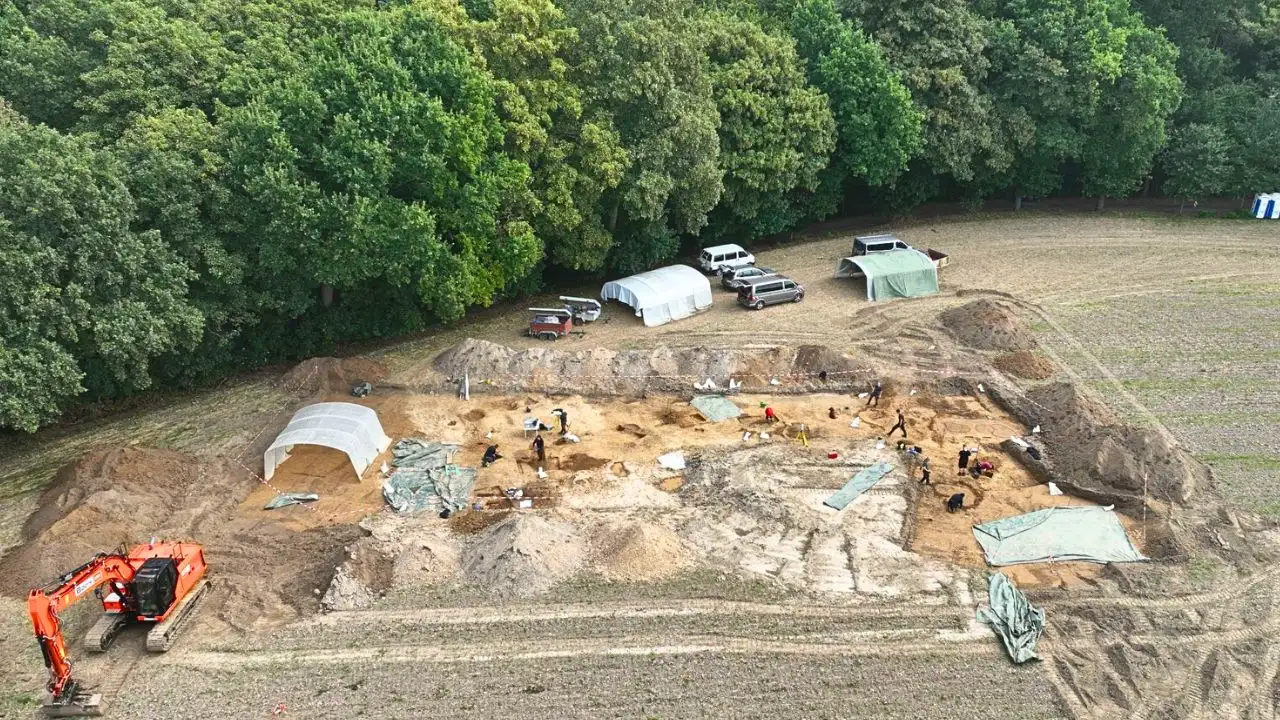
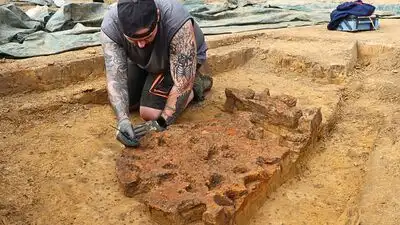
The excavation team has uncovered several areas used for craft work at the settlement. The remains include pits, furnaces and hearths that provide evidence of different activities carried out at the site. The excavation team also identified the first pottery kiln discovered at the site. The team also identified workshops used for metalworking. These areas are described as exceptionally well preserved. The excavated furnaces provide details about how the metal was processed. These were round to oval structures with clay walls, into which air was pumped from the sides using bellows to regulate the temperature. These remains provide physical evidence of the facilities used to process Roman metal scrap. The LWL identified them as part of the metalworking area uncovered during the excavation. The structures provide further archaeological evidence of Germanic metalworking during the Roman Imperial Period. Prof. Dr.