

The trick is to choose one plant and commit to it. (AI generated)
Because it removes some of the indecision that comes with creating a balcony garden, it is particularly useful for first-time gardeners. The idea may initially sound a bit bizarre. Instead of buying a collection of plants, reading up on what works best for your balcony, worrying about whether the light is right for this one and the watering schedule is right for that one, what if you simply bought the same plant? It goes against conventional wisdom, doesn’t it? We tend to think a garden should have variety: something tall, something trailing, something flowering, something leafy, perhaps a herb or two thrown in for good measure. But there is something surprisingly sophisticated about repetition. You don’t have to become an amateur horticulturist overnight. You do, of course, still need to understand whether the chosen plant is suited to your balcony’s light, heat, wind and watering conditions. But once you’ve found something that works, repeating it can make the design considerably easier. The one-plant idea is part of a broader change in how gardens and outdoor spaces are being approached internationally. There has been a move away from the notion that a successful garden must be packed with different varieties and constant colour.
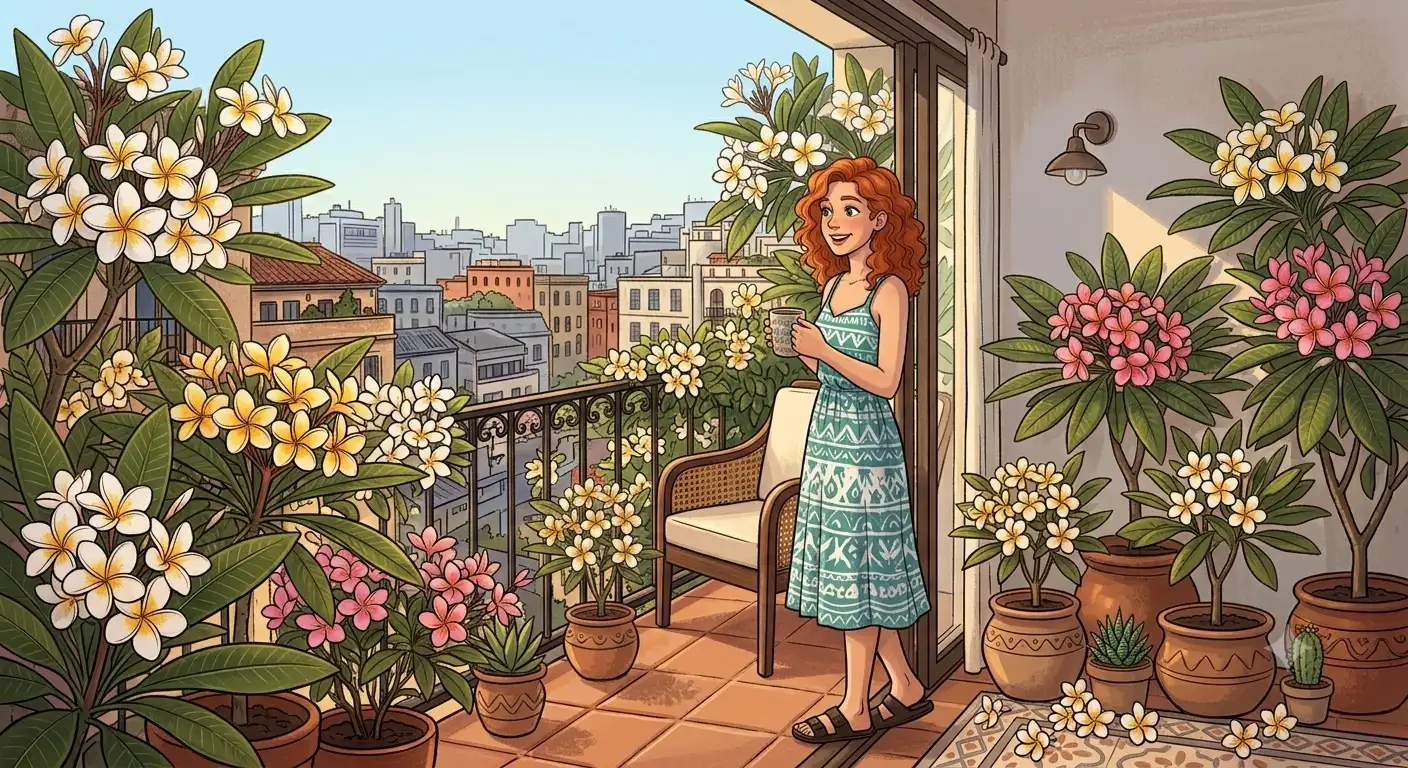
Maybe that is why the idea works particularly well in cities. Urban balconies are often awkward spaces: narrow, exposed to the elements and expected to perform several functions at once. They are asked to accommodate plants, furniture, laundry, storage and sometimes even a makeshift workspace. Trying to squeeze a conventional garden into them can make the space feel even smaller. Bougainvillea is an obvious choice if you want colour and drama, particularly where there is plenty of sun. A palm can create a softer, more tropical atmosphere. A ficus can bring the feeling of a small urban tree. Bird of paradise works beautifully for a more contemporary, sculptural look, while frangipani can give a balcony a distinctly Indian, fragrant-garden quality.