PC: Wikipedia
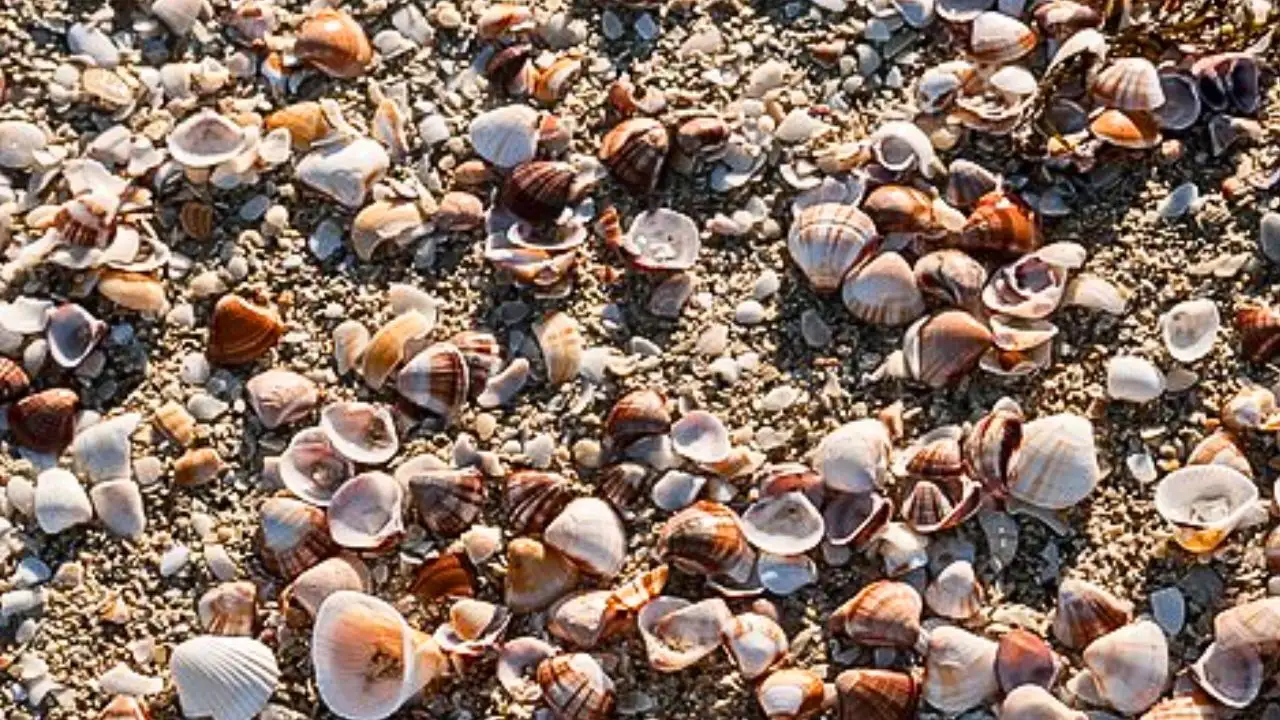
He used about 12,000 shells in different shapes and colours, creating a large-scale architectural souvenir of the resort town. Rinaldi used around 12,000 shells to decorate the house by selecting shells in different shapes and colours. In Rimini, Italy, a house was transformed into a striking shell-covered artwork after taxi driver Alfonso Rinaldi began decorating its exterior in the 1960s. The shells, including mussels, scallops and clams, were apparently given to Rinaldi by local fishermen and restaurant owners. He used the shells across the façades, flowerpots, surrounding fence and veranda rather than restricting them to a single wall. The SPACES Archives identifies three types used in the work, including mussels, scallops, and clams. Local fishermen and restaurant owners apparently gave the shells to Rinaldi, who then incorporated them into the exterior of the house. He used specially coloured concrete along with the shells as part of the decoration. The work was not limited to the main façades. Rinaldi also covered the flowerpots, surrounding fence and veranda with shells. The finished work is described as a large-scale architectural souvenir of Rimini itself, linking the shell-covered home with the resort town where it is located.
The result was a distinctive shell-covered home in Rimini, the resort town where the house remains located today.