
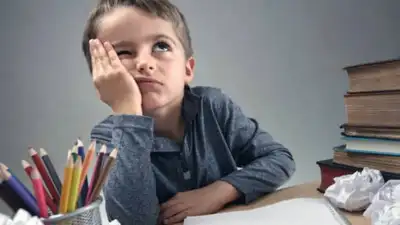
Because they fear criticism, punishment or being misunderstood, children may hide school problems. Experts say parents should create a calm, non-judgmental space where children can speak, while watching for persistent behavioural changes that may need professional support.
Because they fear criticism, punishment or disappointing their parents, 22 Sept 2026 | 14:56 Dr Sugami Ramesh, Senior Clinical Psychologist, Apollo Hospital, Bannerghatta Road, Bengaluru, said children may hesitate to share problems.
A child returning from school with a “nothing” may simply be tired. But sometimes, silence can mean the child does not know how to explain what happened, fears being judged, or worries about upsetting the parents. School brings its own world of teachers, classmates, friendships, competition, mistakes and social pressures. Children also experience these situations differently at different ages. Academic performance, friendships, body image and social situations can all become difficult subjects to discuss. UNICEF India also stresses that children need supportive relationships where they feel heard, rather than simply corrected.
Instead of immediately asking, “Why did you do that?” or “Why didn’t you tell us earlier?”, parents can try gentler questions such as, “How can I help?” or “What would make this easier? Some children become withdrawn. Changes in sleep, appetite, school performance, friendships or physical complaints can also signal that something is bothering them. These changes do not automatically indicate a mental health disorder or suicidal thinking. But persistent or significant changes deserve attention. A child who finally speaks about a difficult experience does not necessarily need an immediate solution. Sometimes, the first need is simply to be heard. UNICEF recommends creating regular opportunities to talk about school, friendships, feelings and worries, while listening calmly without rushing to judge or solve everything.
Others become unusually irritable or stop enjoying things they previously liked.
Not every child will open up directly to a parent. That does not mean the child does not want help. A trusted teacher, school counsellor, relative or another safe adult can sometimes become the bridge. UNICEF specifically recommends helping children identify another trusted person if they are uncomfortable talking to their parents. The goal is not to make children report every detail of their day. It is to make sure they know that difficult experiences do not have to be handled alone. As the psychologist suggests, schools could also create supportive listening spaces where children can speak without immediately feeling evaluated. A child talking about wanting to die or hurt themselves should always be taken seriously. The child should not be left alone, and immediate professional help should be sought. The most meaningful support may begin with something very ordinary: sitting beside a child, listening carefully and resisting the urge to immediately fix everything. You use AI every day. Now get your AI Quotient. Take the AIQ test Get the latest Lifestyle News and more. Download the TOI app.