
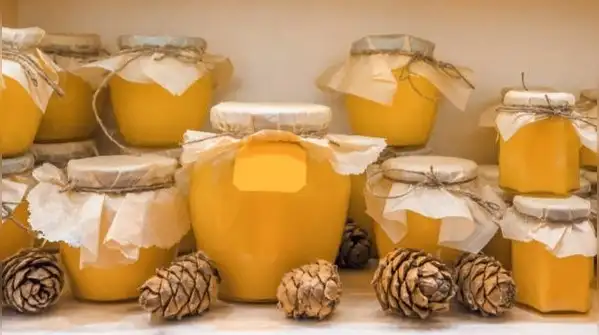
Every winter, the same scene plays out in kitchens across India, you reach for the ghee jar expecting a soft, scoopable spoonful, and instead find a hard, pale block that barely budges under a spoon. It’s a genuinely common complaint this time of year, and the good news is it’s got nothing to do with your ghee going bad. Ghee naturally solidifies as temperatures drop, it’s simply how the fat behaves in the cold, but a few small changes to how and where you store it can keep it noticeably softer and easier to use all winter long. Here’s how to get it right.
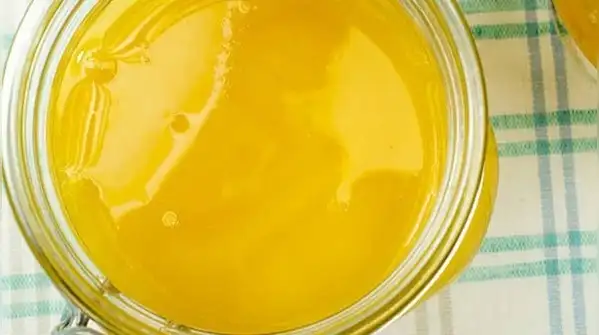
Because a lot of people panic unnecessarily, this is worth getting out of the way early,. Because different fatty acids in the ghee solidify at slightly different temperatures as it cools, and many people actually consider it a mark of good, properly made ghee rather than a flaw, that graininess, sometimes called danedar texture, happens. Ghee turning firm, pale, or even slightly grainy in winter is a completely normal physical change, not a sign anything’s wrong. An airtight glass or stainless steel jar is genuinely your best bet, both keep moisture and air out far better than plastic does over the long run. Moisture, not cold, is what actually causes ghee to spoil, since ghee has almost no water content of its own to begin with. A properly sealed container protects that low-moisture advantage, keeping your ghee fresh for months regardless of how firm it gets in the cold.

A single drop of moisture introduced this way is genuinely more likely to spoil your ghee than any amount of winter cold. This matters just as much in winter as any other season, maybe more, since a hardened block of ghee makes it tempting to grab whatever spoon is nearby, wet or not. Keep a dedicated spoon for your ghee jar, washed and properly dried before each use, and never let a wet or used utensil dip into the jar.
Where you keep the jar matters more in winter than any other season. A kitchen cabinet or shelf that stays reasonably consistent in temperature works best, avoid spots right next to a window or an exterior wall that gets genuinely cold overnight, since that’s what pushes ghee into a hard, difficult-to-scoop state. At the same time, keep it well away from the stove or any direct heat source, since repeated warming and cooling cycles do more to affect flavour and quality than winter cold ever will. This article is intended for general informational purposes only. Ghee’s texture will naturally vary with temperature and season; if you notice a sour smell, mould, or unusual taste, discard it regardless of how it was stored, as these are signs of spoilage rather than normal seasonal hardening.