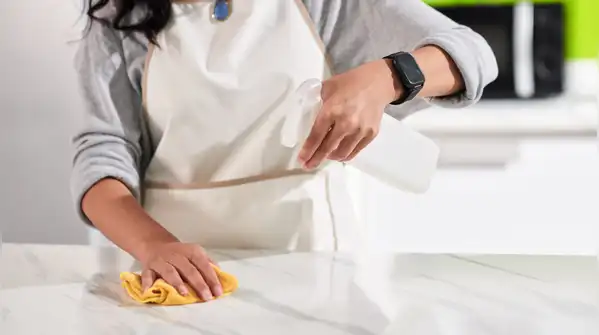
In many Indian homes, the day ends in the kitchen. The last roti is served, the gas is turned off, and then comes a small ritual, using a damp cloth, a few firm strokes across the slab, and a final look to make sure everything shines. there are others who do it again and again before they can finally switch off the light While some people do it once to finally clean the slab or the utensils.
In a 2025 study in BMC Psychiatry, 40 of 101 patients (about 40%) mainly had contamination and washing symptoms. Because it feels good, or because you’d feel anxious if you didn’t?, the more important question is ‘why’ you do it,.
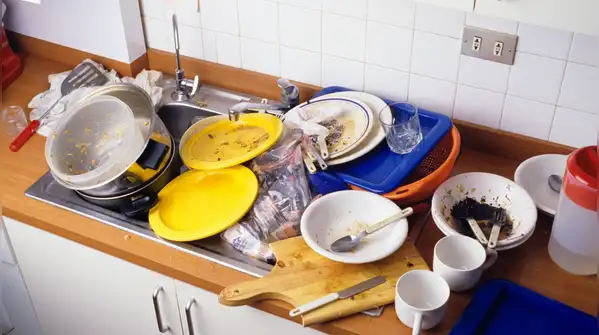
A study in Personality and Social Psychology Bulletin analysed home tours recorded by 60 working couples and found out that wives who used more of these “stressful home” words had flatter daily cortisol patterns, a profile linked to poorer health, and their mood dipped more over the day. In 2014, researchers David Rosenbaum, Lanyun Gong and Cory Potts gave a name to a familiar habit of “pre-crastination”, or hurrying to complete a small task even when it costs extra effort. Most of us have noticed this habit in someone close to us, or in ourselves, and they cannot sit down calmly without making the kitchen look spik and span, be it a mother who cannot sit down until the counter is spotless, a roommate who wipes the stove while the food is still being eaten. The study shows a link that clutter causes stress. In their experiments, people picked up a nearby bucket and carried it farther rather than choosing the closer-to-the-finish option. There is a line between a quick wipe and a ritual. Research shows how common cleaning-related compulsions are among people who do have OCD. The paper also explains that “Contamination/washing symptoms are universally the most common OCD symptoms. So, the research is about people diagnosed with OCD, not people who simply like a clean counter, so it doesn’t mean a tidy habit is a disorder. So, a quick wipe after cooking is usually a healthy sign that you like a sense of closure.