Representative image
Why police are continuing the programme
A six-month trial of live facial recognition at London railway stations cost British Transport Police (BTP) £320,786 and scanned more than 500,000 faces, but it produced just one alert from the police watchlist. The trial ran between February and July 2026 and involved 18 deployments at some of London’s busiest transport hubs. More than half a million faces were scanned during those operations, while officers and specialist equipment were positioned at 18 separate deployments. The equipment hire and police staffing costs came to £320,786, while officers spent almost 100 hours supporting the operations.
The alert was therefore classified as a false positive. They were therefore excluded from the official LFR performance data. Because it separates the general policing activity surrounding the trial from the results produced by the facial recognition system itself, that distinction is important.
The findings were reported by The Guardian, which reviewed a freedom of information document obtained by Liberty Investigates. BTP reported that since the extension began, there had been three confirmed positive alerts. However, those individuals were later confirmed to be complying with sexual harm prevention orders or other court-imposed conditions.
The system’s use depends on the composition of the watchlist and whether the people being sought are likely to appear at the chosen location and time, according to former biometrics and surveillance camera commissioner Fraser Sampson. British Transport Police also said the system could support efforts to tackle violence against women and girls, particularly in transport environments where concerns about harassment and sexual offences can affect how people travel. BTP said officers made other arrests during the deployments, including arrests linked to assault, theft, possession of an offensive weapon, public order offences and breaches of criminal behaviour orders.
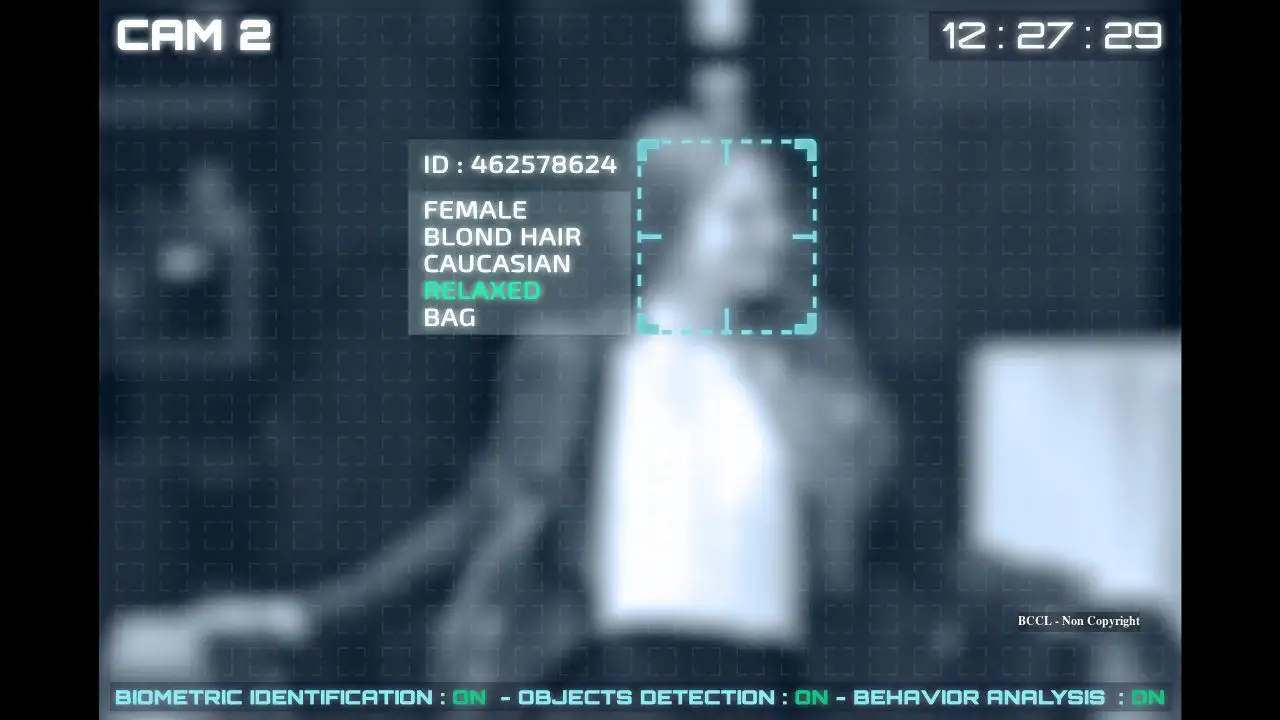
That alert turned out to be a false identification, with no arrest resulting directly from the technology during the trial period. BTP has since extended the programme, raising fresh questions about cost, accuracy, privacy and whether live facial recognition is proportionate for use across a public transport network. Live facial recognition cameras compare faces passing through a particular location with images on a police watchlist. The system is designed to identify people who may be wanted by the police or subject to court restrictions. The cameras do not treat every person as a suspect. During the London trial, cameras were deployed at railway stations between February and July. The trial was intended to explore whether the technology could help identify wanted offenders and people breaching court orders. The technology produced one alert against a person on the police watchlist. Officers checked the result, but the individual was not the person sought. No arrest resulted directly from an LFR alert during the six-month trial. Police also located individuals wanted by courts and other forces. However, BTP acknowledged that these arrests did not result directly from facial recognition alerts. The wider deployments may have helped officers identify or respond to other incidents, but the technology generated one watchlist alert, and it was inaccurate. A positive alert does not necessarily mean that someone has committed a new offence. It indicates that the system has identified a person who appears to match an image on the watchlist. Officers must then verify the person’s identity and determine what action, if any, is appropriate. The trial has renewed debate over whether live facial recognition is appropriate for crowded public spaces. Critics argue that members of the public are being scanned without individually consenting, even when they have done nothing wrong. The technology also processes biometric information, which is considered sensitive personal data. The fact that one alert was incorrect during the trial has raised concerns about how false matches can affect people who are stopped, questioned or exposed to police intervention, as per the report.