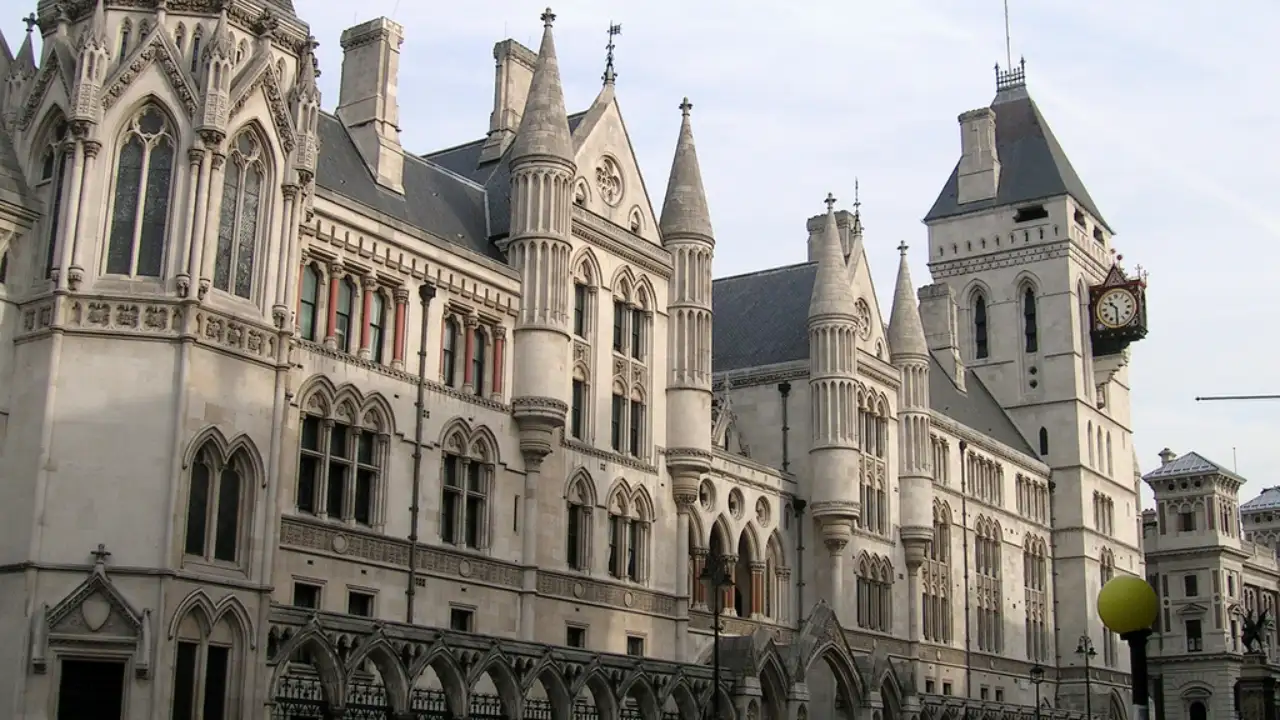
(Image: Courts and Tribunals Judiciary)
The 2025 case concerned the legal costs of the dispute
Kevin Patrick Reeves, also known as Kevin Patrick Frain, built a fortune estimated at up to £100 million from property and other investments before his death in February 2019, aged 71. A 2014 will left 80% of the residuary estate to his youngest daughter, Louise Reeves, while her half-sister Lisa received the remaining 20%. Reeves’ son Simon, known as Bill, challenged the document and sought to have an earlier 2012 will recognised instead. Bill opposed the 2014 will, arguing that his father had not known or approved its contents and, alternatively, that it had been procured through undue influence by Louise. The High Court heard evidence during a three-week trial, with the judgment recording testimony from 49 witnesses. The court considered his limited literacy alongside his considerable business experience and the substantial change between the 2012 and 2014 wills. In 2022, the High Court ruled in favour of the earlier 2012 will rather than the 2014 document. Under that document, Louise, Lisa and Bill were each entitled to an equal share of 80% of the residuary estate, while Ryan and Ria shared the remaining 20%. The outcome meant the 80% provision in Louise’s favour under the later will did not stand. The case returned to the High Court in 2025, but this time the issue was costs rather than which will was valid. The 2025 judgment upheld the relevant ruling that those agreements could not support recovery of the solicitors’ fees in the way claimed.
The challenge was therefore not simply about whether the distribution appeared unequal, but whether the later document represented Reeves’ properly understood testamentary intentions. Because the evidence did not establish that Reeves knew and approved its contents, instead, the 2014 will was rejected. A central issue was Reeves’ ability to understand the document he signed.
His estate later became the centre of a dispute between his children and grandchildren over which of two wills reflected his wishes. The case eventually reached the England and Wales High Court (King’s Bench Division). The court did not uphold the allegation that Louise had exercised undue influence over her father.
The earlier will consequently governed the distribution of the estate. In Reeves v Frain & McKinnon, Mr Justice Dexter Dias considered an appeal concerning the costs of the earlier litigation. Simon Frain and Mark Ryan McKinnon had challenged an earlier costs decision involving damages-based agreements used by their solicitors.