
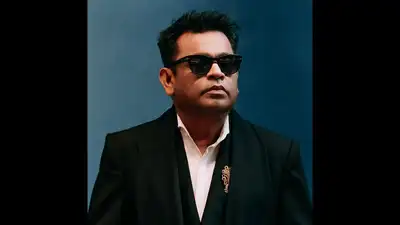
From Chinna Chinna Aasai and Chaiyya Chaiyya to Kun Faya Kun and Deewaana Deewaana , AR Rahman has spent more than three decades reinventing his music without losing his emotional connect.
In AR Rahman’s case, perhaps it is his refusal to stand still. His music has traversed electronic sounds, Indian classical and folk influences, Sufi traditions, orchestral arrangements and contemporary production, all while keeping melody and emotion at its heart. Rahman’s arrival with Roja changed the soundscape of Indian film music. Chinna Chinna Aasai paired a memorable melody with orchestration that felt fresh and modern. Soon came the rhythm-driven energy of Mukkala Mukkabala and Urvashi Urvashi , followed by the atmospheric romance of Tu Hi Re and the Sufi-inspired exuberance of Chaiyya Chaiyya . His musical explorations continued across genres and languages. Vande Mataram gave patriotic music a contemporary sound, Jai Ho became a global anthem, and Kun Faya Kun created a deeply spiritual soundscape. Then came the understated vulnerability of Agar Tum Saath Ho . More recently, Yennai Izhukkuthadi from Kadhalikka Neramillai and Deewaana Deewaana from Tere Ishk Mein show his ability to embrace contemporary cinematic sounds while retaining his distinctive sense of classical music and melody. A Rahman song can sound familiar on the first listen and reveal something different on the tenth. Put on your headphones to listen to Roja Jaaneman , Kehna Hi Kya , Dil Se Re or Vande Mataram and layers beneath the main melody begin to emerge: intricate textures, subtle shifts in rhythm and carefully crafted vocal arrangements.
What makes a song from the ‘90s sound just as exciting today?
That attention to detail gives his music remarkable replay value. They may carry the sonic signatures of their era, but they rarely feel musically dated.
The melody may stay with you from the very first listen, but repeated listening can reveal elements that went unnoticed earlier. It is one reason songs produced decades ago continue to find a place on today’s playlists.