Image: US Army photo by Keesha Robinson
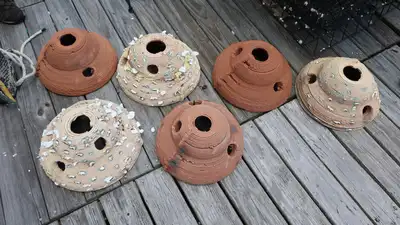
Six experimental structures were placed in the bay in July 2026 and are now being monitored. The current test builds on a pilot reef placed at an oyster farm on Mon Louis Beach, Dauphin Island, in October 2025 by the Mobile District and the Mobile Bay National Estuary Program, according to Digital Visual Information Distribution System. On 9 July 2026, the Mobile Bay National Estuary Program deployed six experimental structures in Coden. Henry Perkins of the same organisation told Fox10 that the structures will be monitored for six to 18 months to see what life they attract, how they hold up and whether they suit future restoration.
Because oysters are a keystone species in coastal Alabama, improving water quality, sheltering other species and easing shoreline erosion, that matters. The idea gained momentum when Mobile District engineers were introduced to the Engineer Research and Development Centre’s 3D printing technology.
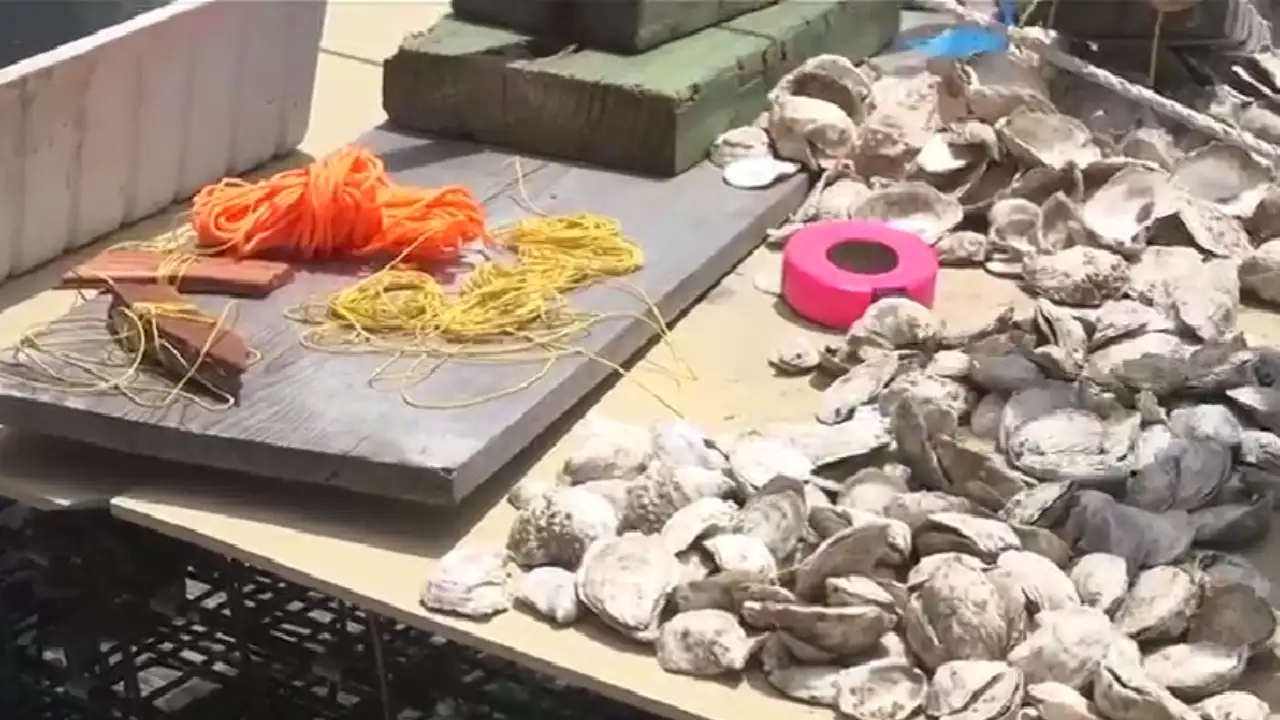
Elizabeth Godsey, who leads regional sediment management and Engineering with Nature work for the Corps, via the Engineer Research and Development Centre website, says the idea came from watching how oysters build reefs that filter and stabilise sediment. Corps research biologist Al Kennedy says the printed domes are holding up against tides, and that barnacles and oysters settle on them as readily as on terracotta, the ideal reference material. Kennedy says the team plans to compare durability and oyster colonisation in all-sediment domes against domes of ten per cent oyster shell and ninety per cent sediment.
Every year, engineers dig millions of cubic yards of sediment out of the nation’s shipping channels, and most of it has traditionally been treated as waste to be managed. In Mobile Bay, Alabama, the United States Army Corps of Engineers is testing a very different idea, printing that sediment into dome-shaped reefs to help oysters recover. If they hold up, the approach could turn navigation maintenance into a source of coastal restoration, and the Corps is finalising a national guide to oyster reef engineering. Researchers there collected fine-grained dredged sediment from the Blakeley Island Confined Disposal Facility and developed a specialised, printable mixture. Fox10 reports that the sediment was mixed with clay and printed by large-scale machines into dome-shaped structures. The domes have varied surfaces, openings and internal shapes that give a stable place for oyster larvae to settle. Three are made entirely of dredged sediment, and three are mixed with recycled oyster shell, so researchers can see which attracts more oyster growth. The Mobile Bay National Estuary Program’s newest artificial reefs were created using dredged sediment removed from the Mobile River shipping channel by the U.S. Army Corps of Engineers (Image: Fox10) Storms, shoreline changes and shifting sediment have contributed to habitat loss and fewer oysters in Mobile Bay. Early deployments are promising. The structures provide hard surfaces where none existed and can act as wave breaks that reduce energy, retain sediment and cut erosion. Kennedy adds that scaling up could also restore capacity at the Blakeley Island facility. Future phases will dig deeper. It also wants to use a hopper to print continuously, print on site and on demand to cut transport costs, and find bio-inspired binders for the sediment. Beyond Mobile Bay, the Corps is in the final stages of publishing a national Engineering Practice Guide for Oyster Reefs. For the Corps, the aim is a sustainable cycle in which navigation maintenance directly fuels environmental restoration, redefining what beneficial use of dredged material can mean. You use AI every day. Now get your AI Quotient. Take the AIQ test.