These five dishes keep the spirit of Navratri alive in the kitchen. They are easy to make, use only allowed ingredients, and leave the body feeling light enough for the long evenings of dance and prayer.
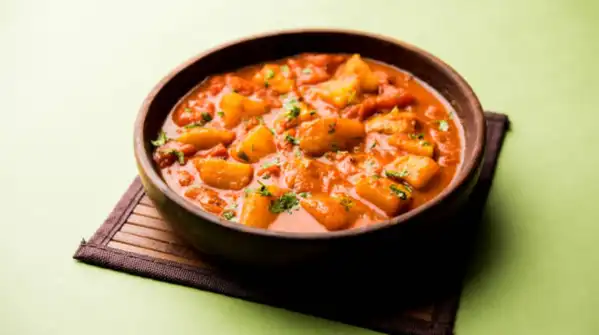
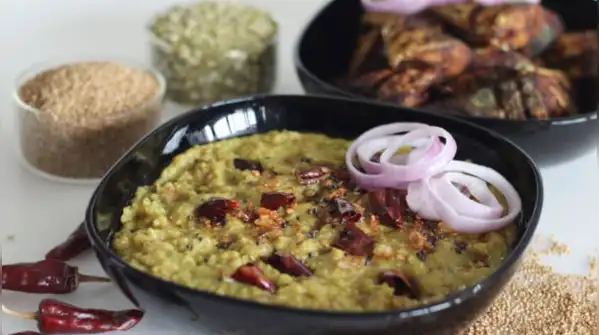
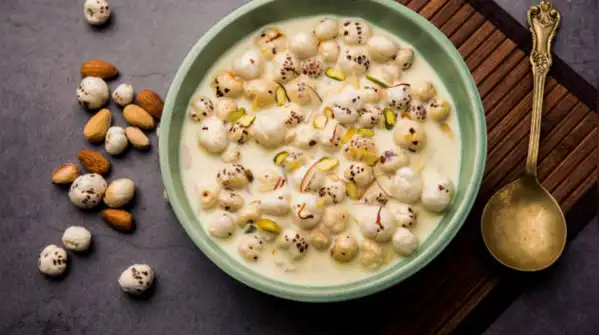
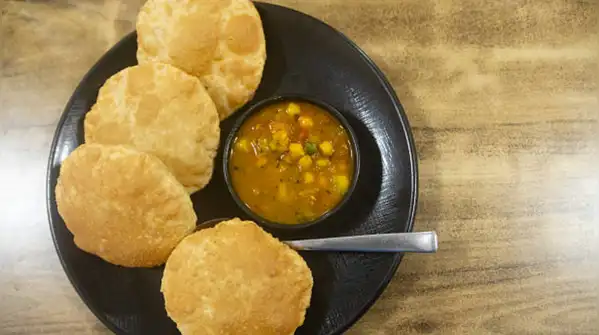
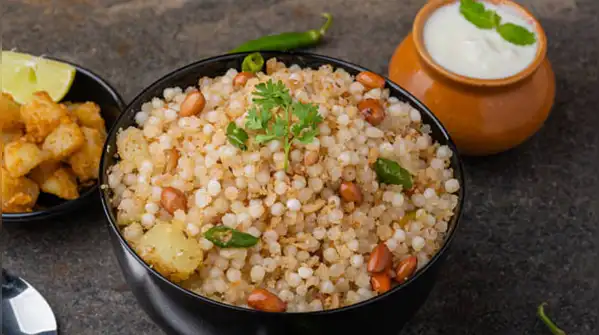
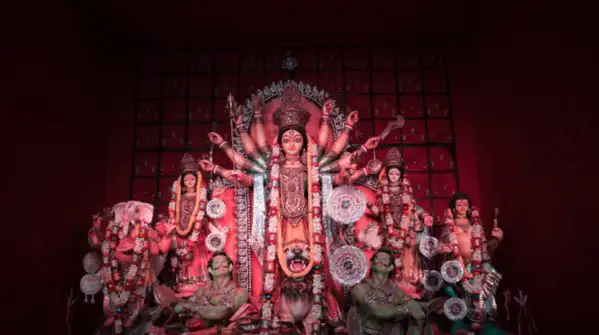
This year Sharad Navratri starts on Sunday, 11 October, and runs through Monday, 19 October, with the grand finale of Vijayadashami or Dussehra falling on Tuesday, 20 October. As the nine nights unfold this October, these simple preparations can bring both nourishment and a quiet sense of devotion to every home. Image credit: iStock This everyday potato and tomato curry stays completely free of onion and garlic yet still carries good flavour. Heat ghee or oil, crackle cumin seeds, add a bit of grated ginger and green chillies. Tip in chopped tomatoes and cook until they turn soft and mushy. Add turmeric, red chili powder, coriander powder and rock salt. Mix in boiled potato cubes, pour a little water and simmer for a few minutes so the potatoes soak up the gravy. Finish with chopped coriander. It goes perfectly with kuttu puri or sama khichdi and is often prepared for the main meal of the day. Image credit: iStock Barnyard millet, known as sama or samvat rice, makes a soft, porridge-like khichdi that sits easily on the stomach. Soak one cup of sama rice for about thirty minutes. Heat ghee, add cumin seeds, a little grated ginger and green chilli. Stir in diced potato and the drained millet. Pour in two to three cups of water, add rock salt, cover and cook on low heat until the grains turn soft and the water is absorbed. A final drizzle of ghee and some fresh coriander complete the dish. It works well as a main meal with plain curd on the side. Image credit: iStock Fox nuts, or makhana, turn into a creamy dessert that feels rich without being heavy. Roast a cup of makhana in a spoon of ghee until they become crisp and lightly golden. Crush half of them roughly. Boil a liter of full-fat milk and let it simmer until it thickens a little. Add the crushed and whole makhana, a few chopped almonds and cashews, and cook on low heat for ten to twelve minutes. Sweeten with sugar or jaggery, sprinkle cardamom powder and a few strands of saffron. The kheer can be served warm or chilled and often finds a place as prasad on the first or last day of the festival. Image credit: iStock The kuttu atta or buckwheat flour used in these puris imparts a nutty flavor and is a good match to any sabzi. Mash two medium boiled potatoes and mix them with two cups of kuttu flour and rock salt. Knead into a firm dough using a little warm water. Rest it for ten to fifteen minutes. Divide into small balls, roll them carefully into rounds (the dough is a bit delicate), and deep-fry in hot ghee or oil until they puff up and turn golden. Serve them hot with a simple potato curry. These puris stay crisp for a while and feel special enough for the main bhog offering. Image credit: iStock This soft, slightly chewy dish made from tapioca pearls has been a Navratri staple for generations. Soak one cup of sabudana in just enough water for four to five hours until the pearls turn soft and can be pressed easily between the fingers. Drain them well. Heat a spoon of ghee in a pan, add cumin seeds and a couple of green chillies. Toss in small cubes of boiled potato and roast them lightly. Then add the drained sabudana along with crushed roasted peanuts, rock salt and a pinch of sugar if you like. Stir gently on low heat for a few minutes until the pearls turn translucent. Finish with a squeeze of lemon and fresh coriander. The result is light but filling, perfect for breakfast or a simple meal after evening aarti. Image credit: iStock As the autumn air brings new beginnings and the festive season begins to stir across India, millions of homes get ready to welcome one of the most awaited celebrations of the year. This nine-night festival honours Goddess Durga in her nine forms, known as the Navadurga. Each day carries its own colour, ritual and special energy. Families set up the sacred kalash on the first morning during Ghatasthapana, light lamps, offer prayers, and many observe fasts or stick to pure vegetarian meals. The festival is about strength, devotion and the victory of good over evil. In the evenings, people dance to the lively beats of garba and dandiya, while mornings and afternoons stay filled with quiet puja and the aroma of simple home-cooked food. As kitchens across the country prepare for this special time, here are five classic sattvic dishes that fit perfectly into the Navratri table and make the fasting days both tasty and fulfilling. Image credit: iStock