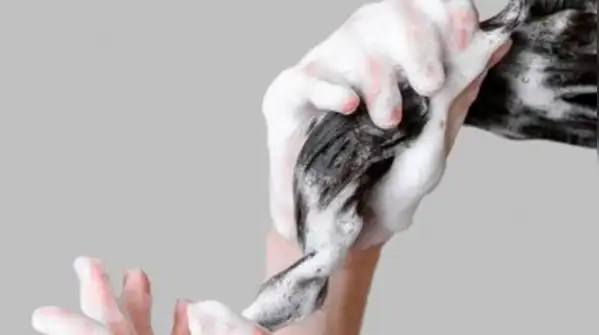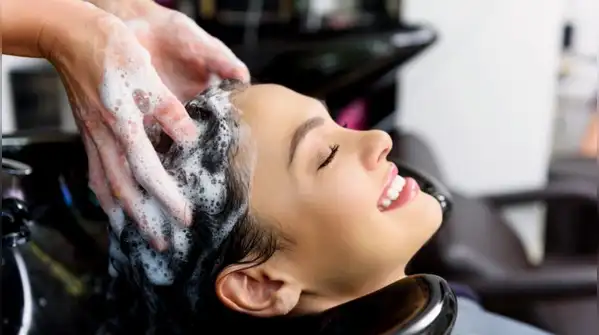
A formula without any sulphate may be worth trying for people with certain types of hair. If you’re experiencing dry or coarse hair, curly or textured hair, bleached or chemically treated hair, or colour-treated hair, then this should be your definite pick. If your scalp feels uncomfortable after using a certain product, you should also switch to a sulphate-free option. However, it may not be the case with an oily scalp, heavy product buildup, or a need for a stronger cleanser. The right type of shampoo is the one that ensures proper cleaning and does not dry out the hair excessively.

For several years now, sulphate-free shampoo has been said to be a softer option in contrast to your regular shampoo. Hair treated with chemicals can change the way hair is lubricated and provide water resistance, thus pointing to the need for proper usage of cleaning methods for hair, and using sulphate-free shampoos is just the starting point, according to a study in the National Library of Medicine. So what really happens? Is not using sulphates really a miracle maker? Sulphates represent one type of surfactants, which lift away grease, dirt, perspiration, and products from the scalp and hair. High-strength anionic surfactants, such as sodium lauryl sulphate, fall under the category of cleansing agents. They are good at cleaning hair but, at the same time, wash away the oils and fats that make hair soft and smooth. So what will happen if you stop using them? If your hair has been treated with highlighted shades, hair colour, or bleach, then it needs extra care and attention. Chemically treated hair can be easily damaged and be more sensitive to regular washing.