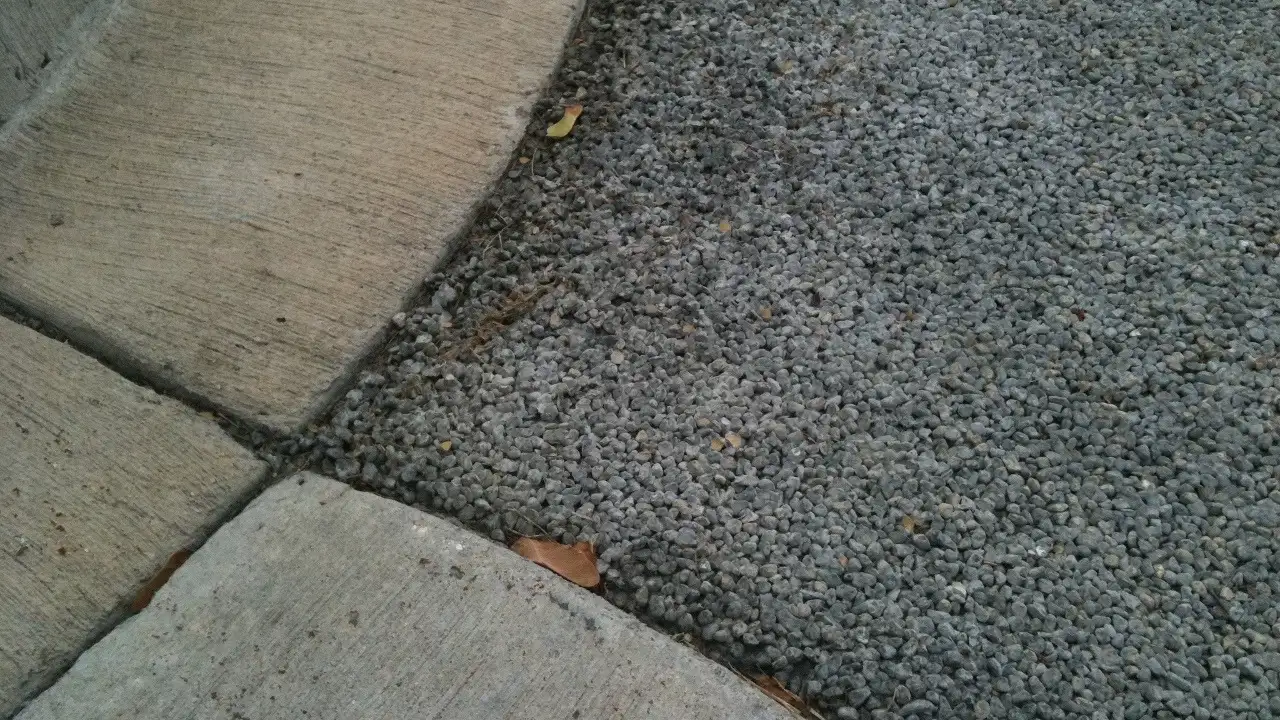
REPRESENTATIVE IMAGE: Permeable pavement used in a parking lot in Milwaukee, Wisconsin | Wikimedia Commons
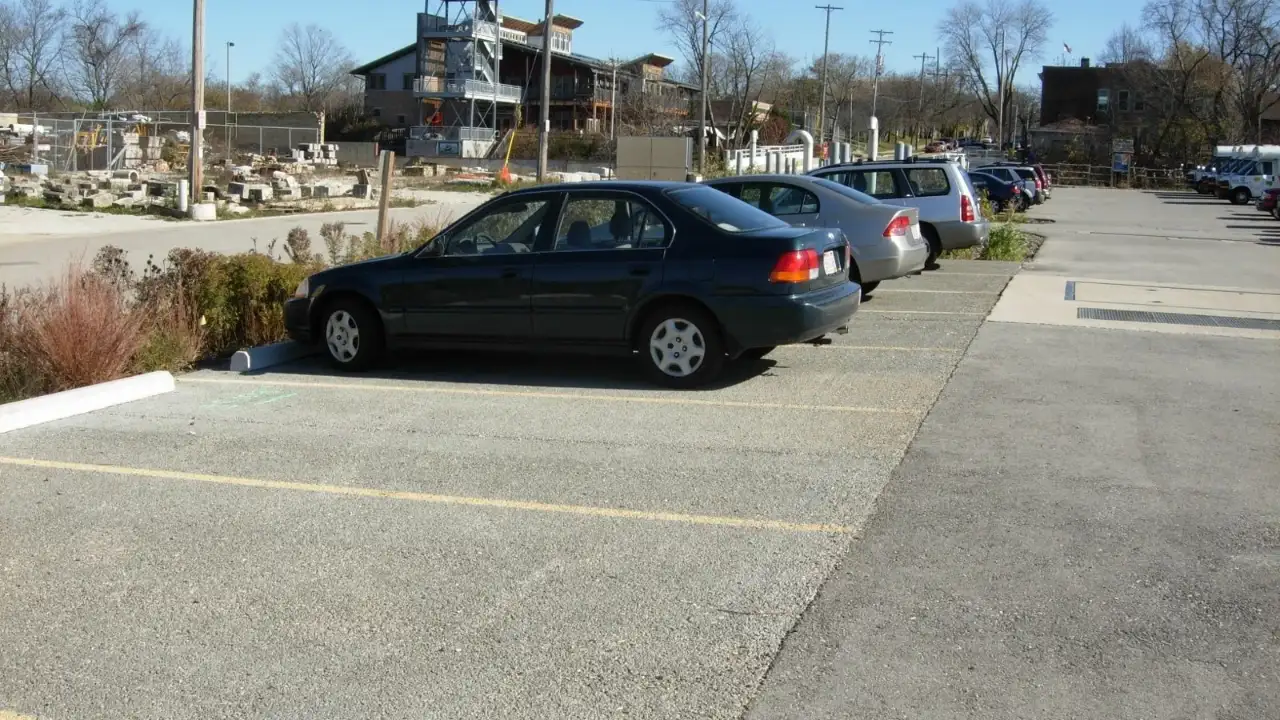
Nashville installed the original 52,000-square-foot porous asphalt parking lot in 2005 as part of a low-impact stormwater design, and the pavement was supposed to let rainfall move through the surface and into bioretention areas and swales. The system included an underdrain network to move water toward those areas, and the asphalt itself became the problem. A nearby project supplied the rainfall data
The 2.3 million gallons of rainfall that was cited in the Fulton case study came from a separate project that Nashville officials were watching. At Gateway Village, a 92,000-square-foot mixed-use parking lot in Murfreesboro, Tennessee, permeable interlocking concrete pavement had been installed before the Fulton replacement. The site received 41 inches of rain during that period, which is equivalent to about 2.3 million gallons of water. The 52,000-square-foot lot was back in service in about four weeks, and the nearby two-year monitoring project had recorded 2.3 million gallons of rainfall with no discharge at its outlet, while the Fulton demonstration showed thousands of gallons passing through the new surface during a controlled test.
The Fulton parking lot therefore became a replacement project rather than a complete reconstruction of the stormwater system, and Nashville kept the existing aggregate base and bioswales, removed the porous asphalt that had deteriorated, and installed a permeable concrete-paver surface.
The study recorded no water discharge at the outlet at the rear of the site, and says that water from the roofs and parking surface infiltrated into the soil and contributed to groundwater recharge. Middle Tennessee State University’s Concrete Industry Management program studied the site for two years with an ISCO sampler to measure water quantity and quality. That result was part of the evidence Nashville considered when selecting permeable concrete pavers for Fulton, and was not a two-year rainfall test of the Fulton parking lot itself. Nashville had already identified permeable paving as part of its broader stormwater strategy, with the city’s Green Infrastructure Design manual listing the Richard H. Fulton Complex as one of its local low-impact-development parking projects and describing permeable paving as a way to reduce runoff and increase infiltration. The test was separate from the longer Gateway Village monitoring programme, since one showed how quickly the Fulton pavers could accept a large volume of water in a controlled demonstration, while the other produced two years of rainfall and water-monitoring data at a different permeable-pavement site.