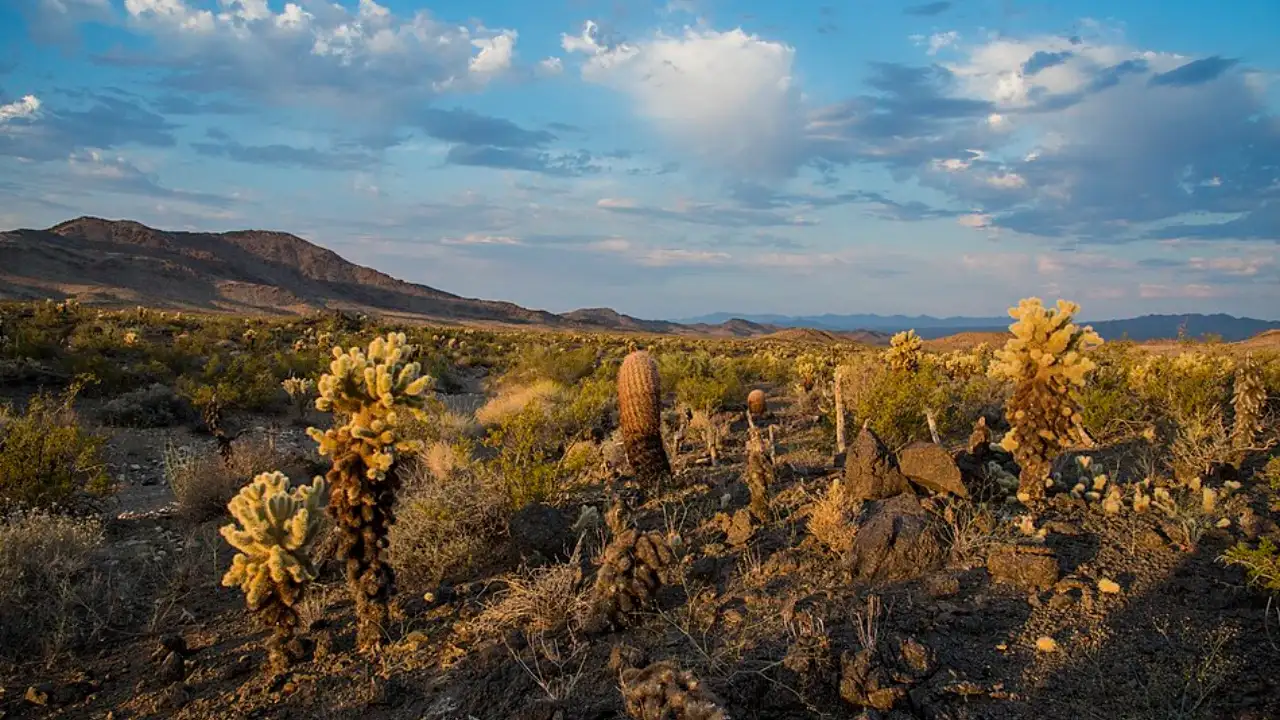
In 1964, President Lyndon B. Johnson signed the Wilderness Act to protect America’s wild landscapes. Image Credits: Wikimedia Commons.
President Lyndon B Johnson signed the Wilderness Act on 3 September 1964, permanently protecting about 9 million acres and establishing the National Wilderness Preservation System, according to the US Government Publishing Office . The original system contained 54 wilderness areas across 13 states, covering about 9 million acres of national forest land. About 9 million acres protected in 1964 were largely areas that the US Forest Service had already classified administratively as wilderness, wild or similar categories, according to the Forest History Society . The system now contains more than 800 wilderness areas across 44 states and Puerto Rico, according to the National Park Service . In the 1980s, major laws such as the Alaska National Interest Lands Conservation Act of 1980 expanded the wilderness system substantially, with the law covering Alaska and adding tens of millions of acres. By 2024, the National Wilderness Preservation System had 806 wilderness areas totalling more than 111 million acres across 44 states and Puerto Rico. This was a long way from the 9 million acres that the Wilderness Act initially protected. The act that Johnson signed in 1964 was far more than just a one-off conservation effort; it was a process that would allow Congress to go on locating and protecting areas of wilderness within America that had remained undeveloped.
Because they are wilderness, sixty years after the Wilderness Act was signed, its core idea still guides the national wilderness system: some public lands have value simply. The Act also established a legal definition of wilderness and set out restrictions intended to preserve its natural character. The creation of the Wilderness Act was a product of lengthy negotiations about the amount of undeveloped American land that should be kept clear of roads and construction. Conservationists pushed for a law to protect these areas from development such as logging and mining. The bill created a mechanism under which Congress, rather than individual agencies, designates wilderness areas. The Wilderness Act gave these places a stronger statutory foundation and brought them into a single National Wilderness Preservation System. Congress has added new wilderness areas through subsequent legislation, extending protection to landscapes across the country. The expansion has brought diverse landscapes into the system, including alpine terrain, deserts, forests, wetlands and beaches. These areas provide protected habitats for wildlife while allowing people to experience places with relatively few signs of modern development. The four federal agencies responsible for managing designated wilderness are the National Park Service, US Forest Service, Bureau of Land Management and US Fish and Wildlife Service, all of which are required to preserve the wilderness character of the areas under their management. The act’s importance became clearer as Congress added more land to the system.