
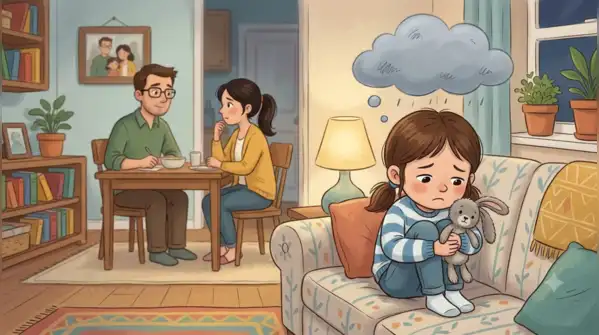
Mental health is an intrinsic part of a child’s development. However, for many parents, having conversations about mental wellbeing only arises after a difficult or disruptive behaviour occurs, or there are repercussions at school or with peers. From a clinical psychology standpoint, discussions around early development are beneficial as children may not have the language or confidence to articulate their feelings. (Dr. Sugami Ramesh, Senior clinical psychologist, Apollo hospital Bannerghatta road, Bangalore)

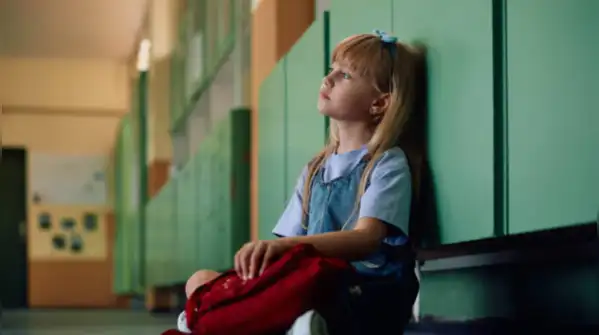
A deceptively simple question – “How are you?” – can be a gentle start to understanding how they feel. Exam stress, friend group drama, parents fighting, social media, puberty, body image and many other factors can play a part. There is an idea among some parents that getting child therapy is a reflection of badly performed parenting. This is completely untrue. Early intervention is extremely vital and necessary in a child’s development. A clinical psychologist can help determine a child’s issue, how it is affecting him/her and what the best course of psychological intervention would be. Therapy can focus on a lot of areas like emotional regulation, behaviour modification, social skills, effective communication, etc.
The number one thing I would tell parents is to not wait for a crisis to have these talks. Having open and safe conversations about mental health in the comfort of a nurturing, family-friendly space is vital to reducing stigma around the topic. It also helps parents identify potential concerns before it escalates. If a child is struggling, it is not always possible to get them help right away. Sometimes the most crucial step is being able to reassure them that you are here for them. Mental health is just as important as physical health. By having open conversations about mental wellbeing, parents can help children have the tools to manage their feelings and seek help. That way, if a crisis does arise, they are resilient enough to handle it.
Children, especially pre-adolescents and adolescents, often emulate the behaviour or mannerisms of people they look up to. If a parent is good at regulating his/her own emotions, is able to effectively communicate with others, manages stress well and knows when to seek help, the child will likely adopt some of these traits. Parents do not need to broach the topic of mental health in long, drawn-out discussions. During routine activities like travel time, mealtime or a walk, parents can casually observe how a child is feeling. It is important to ensure that children do not consider certain feelings or behaviours to be taboo or shameful. At the same time, they need to understand that these emotions are not constant.