Navratri has a way of arriving whether or not the neighbourhood is ready for it. For anyone living abroad, or even in a small town far from an Indian market, the first day of the festival can bring a quiet panic: where will the kuttu come from, and does a regular supermarket have anything useful at all?
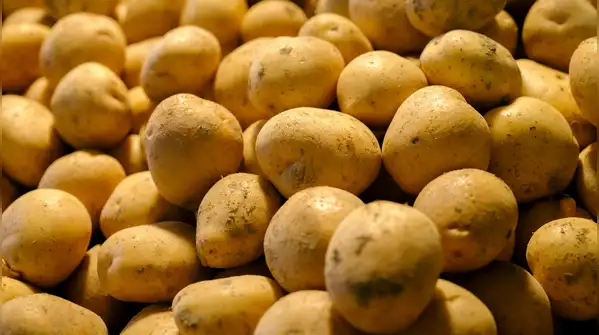
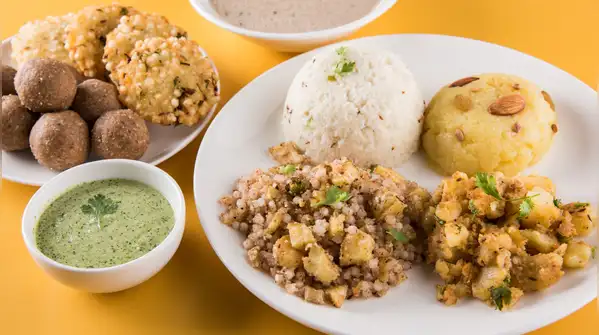
Because seasoned or mixed products can carry ingredients that do not fit a fast, read labels carefully,. It does, as it turns out. A week of simple, satisfying vrat meals is possible with ingredients found in almost any big grocery chain. The trick is knowing where to look and what to ignore. Few things hold a fast together like the humble potato. Boiled, roasted, mashed into patties or tossed with jeera, it takes on whatever mood the day needs. Rock salt, where the household tradition allows it, keeps things in line with fasting norms. Kuttu rarely sits in the international section. Plain, unseasoned buckwheat groats tend to hide in the grains or health-food aisle. Ground at home into flour, they can become rotis or pancakes, provided your fasting rules permit. A small spice grinder earns its place here. When familiar Indian ingredients are missing, lemons quietly fill the gap. A squeeze lifts roasted sweet potatoes, wakes up boiled potatoes and sharpens a yoghurt dish. They are cheap, easy to find and worth keeping in the fruit bowl all week. A few habits make the whole trip easier. Wander past the Indian aisle, since buckwheat, tapioca and dairy are often scattered across different sections. Remember that rules differ from home to home: some families skip ordinary salt, certain grains or legumes, so follow your own tradition and use sendha namak if it is permitted and available. And try pairing carbohydrates with yoghurt, milk or peanuts, which makes meals more balanced and satisfying.