
Image credit-Canva
The IWSC judges described Old Bardstown as having bright, grain-forward aromas, a balanced palate with notes of marmalade and brioche, and a lingering finish. Its unique taste defeated myriads of other competitor bottles that cost even four times its price. For a drink whose history is so deeply tied to American agriculture and regional production, its recognition at an international competition makes the bottle’s price an interesting part of the story.
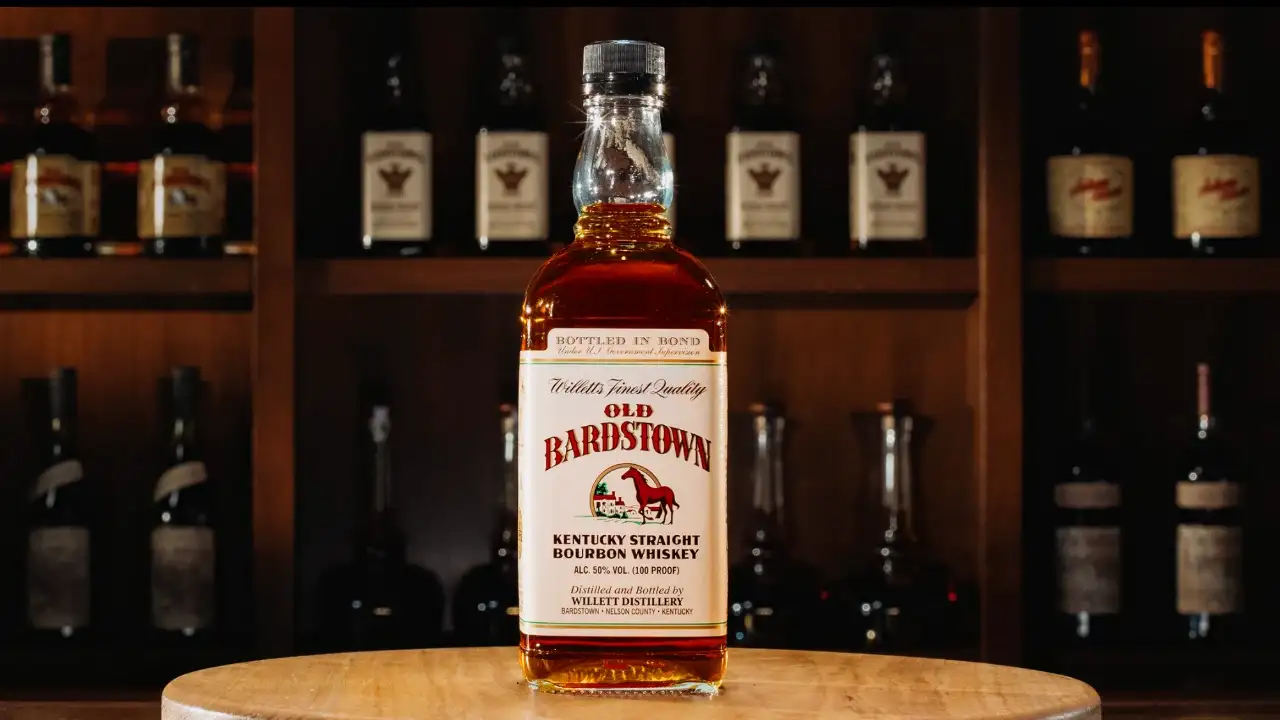
Old Bardstown being currently available only in Kentucky makes its $25 price particularly interesting. Bourbon’s history is therefore also a history of changing value. This is where the Bottled-in-Bond bourbon carries a win that extends beyond the celebration of an award or its taste. The story of bourbon is not simply one of a drink being distilled and prepared in America, but one that has developed through cultural influences, agricultural practices and the laws and processes that shaped its production over the years. The availability of grains, particularly corn, the growth of distilling practices and the use of barrels all became part of this development. As bourbon ages in these barrels, the spirit takes on the vanilla, amber and oak characteristics closely associated with its identity. Corn and other grains were closely connected to American farming and local economies, while distilling provided a way to transform grain into something that could be stored, transported and sold. Willett Distillery’s place in Bardstown also makes the bottle inseparable from the region that has come to represent bourbon itself. Kentucky’s agricultural landscape, its distilleries and its long association with whiskey have made bourbon a regional product with a global reputation. It may not demand the kind of price associated with rare or heavily aged bottles, but its regional exclusivity gives it a different kind of value, one connected to where it is made and where it can actually be found.
Its earlier history was much more closely connected to ordinary production, agriculture and consumption, making the relatively accessible price of Old Bardstown an interesting reminder of that past. Whiskey was not always placed within the world of premium bottles and connoisseurship that surrounds parts of the industry today.
A bottle that has spent 10, 15 or even 20 years in a barrel can naturally seem more impressive than one aged for four years. Because it tastes better, a more expensive bourbon isn’t necessarily expensive simply. In the world of whiskey, age can often feel like a shortcut for quality. Its price can also reflect how long it has been aged, its scarcity, production and storage costs, packaging, demand and the reputation surrounding the bottle. But time alone does not decide whether a bourbon tastes good.