
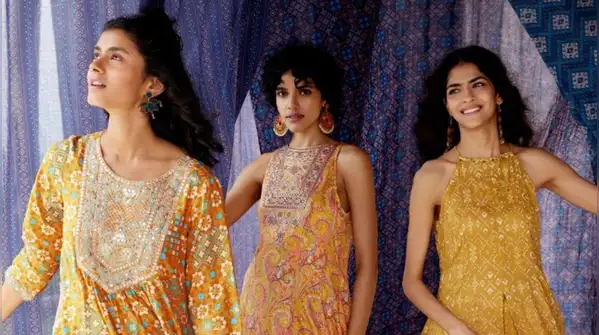
Festive wardrobes get their start in the most unlikely of places. An old suit set your mother has been keeping aside, a saree or dupatta hidden away in the cupboard, could have embroidery and work that is hard to find these days and can be reworked to suit the way you dress today.
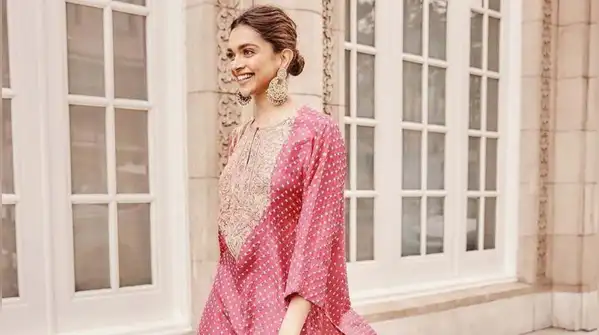
The first step is deciding what makes the piece special. Instead of attempting to recreate an outfit as it was, decide on the element you want to retain, whether it’s the embroidery, a border, or the fabric itself. The idea is not to make an old outfit look new. It is to understand what you love about it and give that element a new context. (Image Credits: Pinterest) Once you’ve decided on the element you want to retain, there are a few different ways to incorporate it into a new outfit. An embroidered dupatta can become a cape or jacket worn over a simple kurta set. An older kurta with intricate handwork can be cut short and worn with a farshi salwar or contemporary trousers; borders and embroidered panels can be detached and stitched onto a new blouse, yoke or sleeve, whereas a treasured textile can be re-cut into a more contemporary silhouette. (Image Credits: Pinterest) Since the heirloom is the centerpiece, keeping the styling simple allows the work and fabric to make a statement. Pairing the piece with simple contemporary jewellery and a single shade in the look lets the original workmanship take center stage. (Image Credits: Pinterest)
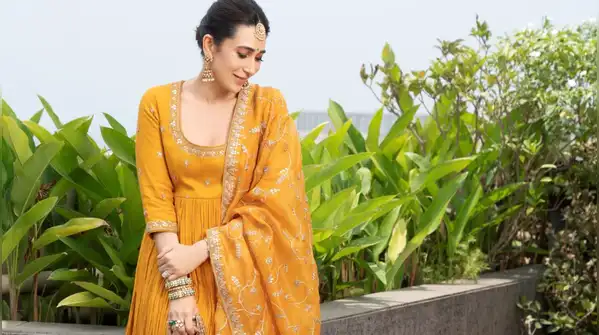
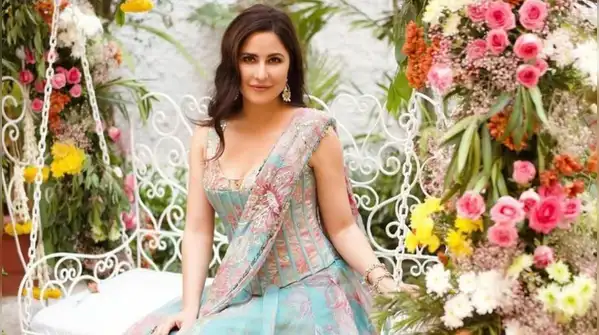

There is another aspect to these kinds of projects: a personal connection to the client’s own personal history. Wearing something from your mother’s wardrobe doesn’t mean you’re recreating her style; in fact, that’s the point of reinterpretation: you are carrying a part of her story into your own. (Inputs by: Ms Niti Bothra—celebrity fashion designer, founder, and creative director of Label Niti Bothra) (Image Credits: Pinterest)