
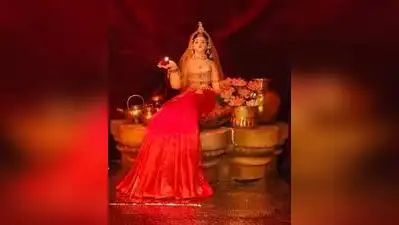
Mini replicas of Kashi temples at Kattimath residence
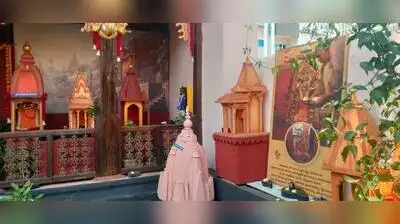
Bringing a slice of this lesser-known heritage to Dharwad is Kartik Kattimath, who has recreated 23 sacred sites of Kashi as part of his family’s annual Navratri celebrations. Over the past 18 years, Kartik has added a distinctive artistic dimension to the tradition. The display features recreations of Kashi Vishwanath, Dhundiraj Vinayak, Sri Adi Keshav, Ratneshwar Mahadev Temple, Kashi Kotwal Sri Kalabhairav, Goddess Annapurna, the 12 Jyotirlingas, Chhappan Vinayak, Navadurga, Navagauri, Chausath Yogini Mata and Sakshi Vinayak, besides the Shankaracharya entrance, Sri Aditya Sthan, Sri Dandapani and Nanda Deep.
Stay updated with the latest Hubballi news.
Kartik’s fascination with art began when he was barely two years old and drew pictures of the Goddess, according to Vijayalakshmi Kattimath. Ganga Maata at Kattimath residence Mini replicas of Kashi temples at Kattimath residence Ganga Maata at Kattimath residence Mini replicas of Kashi temples at Kattimath residence Dharwad : For most devotees, Kashi is synonymous with Lord Vishwanath, Goddess Annapurna, Goddess Vishalakshi and Sankat Mochan Hanuman. Yet the ancient city is home to countless other shrines steeped in centuries of spiritual tradition. Located in Mangalwarpeth, the Kattimath family traces its lineage to the royal preceptors of the Kittur Chennamma kingdom and has celebrated Navratri for generations. An IIT Kanpur graduate and software engineer based in Mumbai, Kartik returns to Dharwad well before Navratri each year to research, design and create elaborate temple-inspired displays that blend devotion, art and architecture. This year’s Kashika Navratri Utsavcelebrates the spiritual heritage of Kashi. the courtyard has been transformed into a miniature pilgrimage through the holy city While the Goddess receives a special alankara every day. The installations offer visitors a glimpse into Kashi’s rich spiritual landscape without leaving Dharwad, while highlighting the religious significance of each shrine and evoking the experience of a pilgrimage through one of Hinduism’s holiest cities. That early interest has evolved into an annual undertaking involving extensive research, months of preparation, considerable expenditure and meticulous attention to detail. Each year, he develops a fresh theme for the festival. Daily alankara and puja are accompanied by bhajans, maha mangalaarati, music and other religious programmes, drawing devotees into a vibrant devotional atmosphere. The celebrations culminate with visits by pontiffs from various mutts in Dharwad and Hubballi, marking the conclusion of the nine-day festival. Download the TOI App.