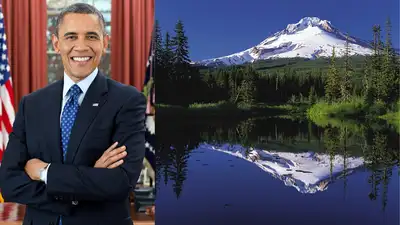
Barack Obama signed the Omnibus Public Land Management Act of 2009 on 30 March, less than 100 days into his presidency. Image Credits: Wikimedia Commons.
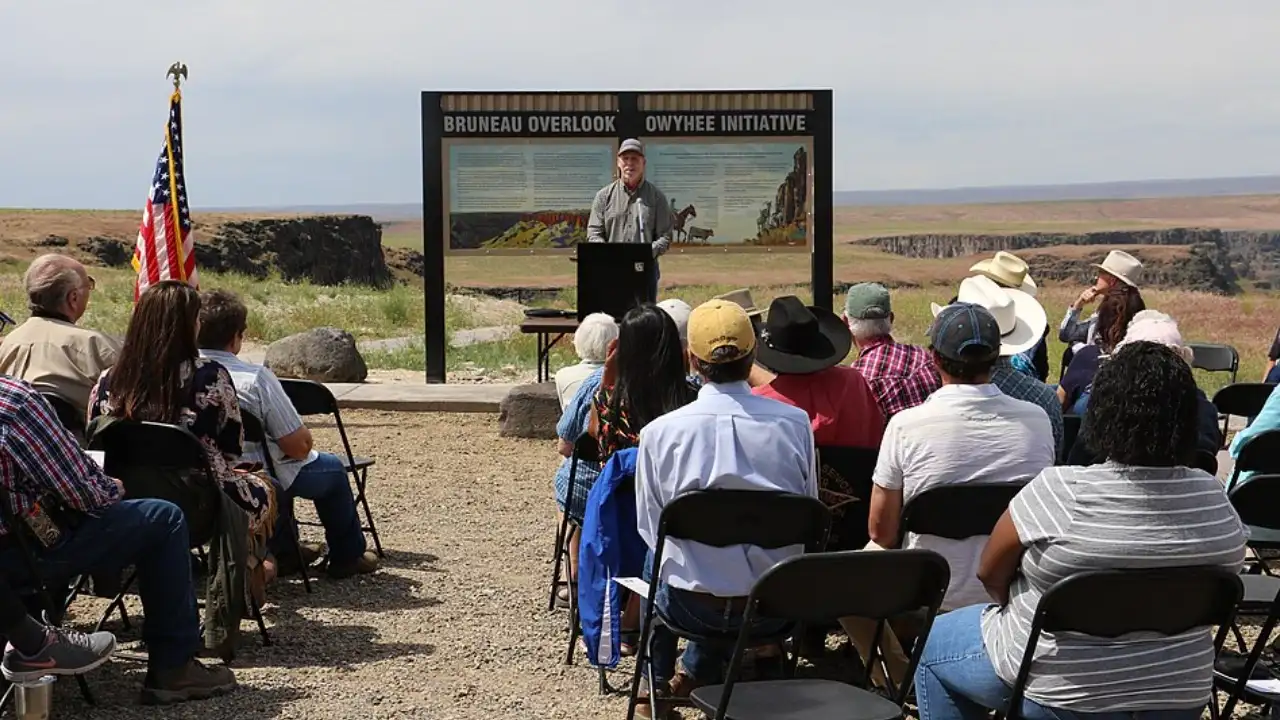
In 2009, lawmakers bundled many of those long-pending conservation measures into one bill. Barack Obama signed the Omnibus Public Land Management Act of 2009 on 30 March, less than 100 days into his presidency, according to the US Department of the Interior . The legislation added more than two million acres across nine states to the National Wilderness Preservation System and designated over 1,000 miles of rivers. President Obama signed the bill into law as Public Law 111-11. Signed by President Barack Obama, the Omnibus Public Land Management Act of 2009 brought together numerous conservation measures, including the designation of new wilderness areas. Jerry Hoagland, Owyhee County Commissioner, speaks about the collaborative work of the Owyhee Initiative that led to the congressional legislation of the Omnibus Public Land Management Act in 2009. Department of Agriculture , the Omnibus Public Land Management Act of 2009 gave the Bureau of Land Management’s National Landscape Conservation System permanent legal status. President Barack Obama’s signing of the act on 30 March 2009 marked a significant step in federal land protection Although the legislation did not resolve every environmental challenge in the United States.
Obama’s signing statement said that the act would conserve millions of acres of federal land, protect over a thousand miles of rivers, and create thousands of miles of trails. According to the U.S. For years, efforts to protect some of America’s most treasured landscapes had struggled in Congress. Conservationists, local communities and lawmakers had pushed for stronger safeguards for wilderness areas and rivers, but progress remained slow as individual proposals stalled. It also strengthened the framework for managing millions of acres of conservation lands, marking an important step in federal efforts to safeguard wildlife habitats, free-flowing waterways and landscapes. The US Department of the Interior also states that the act grew out of decades-long efforts to expand protection for the nation’s public lands. Across the country, conservationists had tried to protect wilderness areas and rivers from development, but individual proposals often stalled in Congress. Bundling the proposals into one legislative package created an opportunity to advance several measures at once. The bill was one of the most significant federal conservation measures in years. Interior Secretary Ken Salazar noted that the passage of the bill involved many years of hard work, and he paid tribute to the citizens, the tribal leadership, local politicians, business people, and representatives from both sides of the aisle for their part in making this happen. Among the act’s major accomplishments was the addition of more than two million acres across nine states to the National Wilderness Preservation System. These included Mount Hood in Oregon, areas around Rocky Mountain National Park in Colorado, and lands near Pictured Rocks National Lakeshore in Michigan, along with wilderness areas in Utah. However, these designations did not mean that the entirety of each named national park or protected landscape became wilderness. The act also protected forests, mountains and desert landscapes across the country. By granting these areas wilderness status, the law strengthened safeguards against development and other activities incompatible with wilderness protection, helping conserve habitats, preserve natural landscapes and maintain opportunities for low-impact recreation. Image Credits: Wikimedia Commons. The system brought together nationally significant landscapes, including national monuments, national conservation areas, wilderness areas, scenic rivers and historic trails, under a common conservation framework. The study also explains that these classifications provided different levels of protection, ranging from largely undisturbed natural environments to areas with recreational and educational facilities. This framework helped establish a lasting basis for conserving ecological and cultural resources. The act also covered national parks, historic sites, trails, groundwater, oceans and water resources. It included provisions for establishing conservation areas and restoring public lands, reflecting a broader approach to protecting landscapes, rivers and wildlife. By bringing together numerous conservation measures, the law secured protection for millions of acres of wilderness and more than a thousand miles of rivers. Its passage also demonstrated how public advocacy and bipartisan cooperation could translate conservation priorities into federal law.