
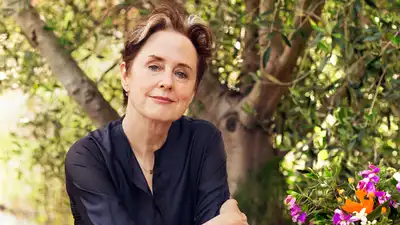
The Edible Schoolyard Project was founded in 1995 by chef and food activist Alice Waters. Today, it connects more than 5,800 garden and food education programmes across 75 countries and 53 US states and territories.
The project has grown from a single school garden in Berkeley, California, into a worldwide network of school gardens, classrooms and food education programmes, according to the Edible Schoolyard Network registry. What began as a small project in a neglected schoolyard in California has grown into an international movement that teaches children about food, gardening and the environment.
Over the past 31 years, the model has spread well beyond California.
The aim was not just to teach children how to grow plants, according to the project’s official documents. This hands-on approach helps students think more carefully about farming, public health and the environment, according to curriculum guides published by the organisation. Each participating site runs its activities according to local conditions, including climate, available funding and community needs, according to the project’s annual reports. “Our vision is grounded in the key principle that children deserve to be nurtured in body and mind, treated with dignity, and shown that they are valued,” Waters stated in an official profile released by the project.
Middle School in Berkeley. She noticed an overgrown plot of land and a school kitchen that was no longer in use. Working with school leaders, teachers and local residents, Waters started a project to turn the unused asphalt area into an organic garden. She also helped reopen the kitchen so students could learn about food through practical lessons. At the original Berkeley site, students take part in planting, harvesting and cooking as part of their regular school timetable. These activities help them learn practical skills while studying familiar academic subjects. Teachers connect garden work to lessons in science, history and mathematics. In science classes, students learn about soil and how compost breaks down. History lessons explore where crops originated and how they spread through trade. Mathematics activities include measuring garden plots and adjusting recipes to serve different numbers of people. It also encourages healthy eating habits among teenagers. By linking classroom lessons with activities in the garden and kitchen, the programme gives students a chance to see how what they learn at school applies to everyday life. Public and private educational institutions in many countries have adopted food and garden education programmes inspired by the project. The Edible Schoolyard Network database includes a wide range of initiatives. These include primary school gardens in Italy, goat dairies in Grenada and community farming spaces in Stockton, California. The network’s online platform allows teachers, programme leaders and volunteers to share free teaching materials, exchange advice on running their projects and locate garden-based learning initiatives around the world. However, all the programmes share a central goal: helping students learn through practical activities involving food. This flexible approach allows schools and communities to adapt the model to their own needs while keeping its main educational purpose intact. The movement has also helped encourage changes in how schools approach food and meals. In Berkeley, early successes with the project contributed to wider changes in the school district’s meal programme. These efforts helped lay the groundwork for universal breakfast initiatives and greater use of food from local farmers. The project has consistently stressed that children’s wellbeing involves more than academic achievement. Its approach connects food, education and the environment, while encouraging schools to treat students with care and respect. In an official profile published on the project’s platform, Waters described the principles behind the organisation’s work. As the network continues to connect thousands of programmes around the world, its organisers remain focused on making practical food and environmental education a regular part of children’s schooling. The project that began with an unused schoolyard and kitchen in Berkeley has grown into a wider effort to help students understand where food comes from, how it affects their health and how growing and preparing it can become part of their education.a You use AI every day. Now get your AI Quotient. Take the AIQ test.
The project began when Waters, who founded the well-known Chez Panisse restaurant and previously worked as a Montessori teacher, passed Martin Luther King Jr.